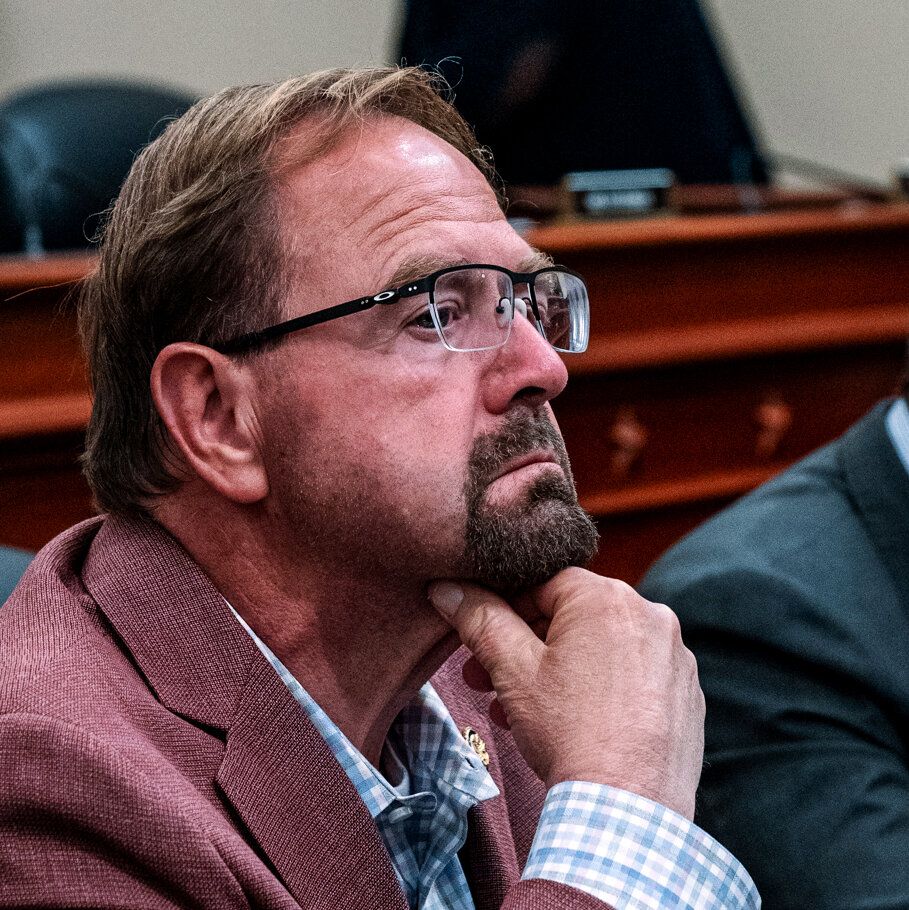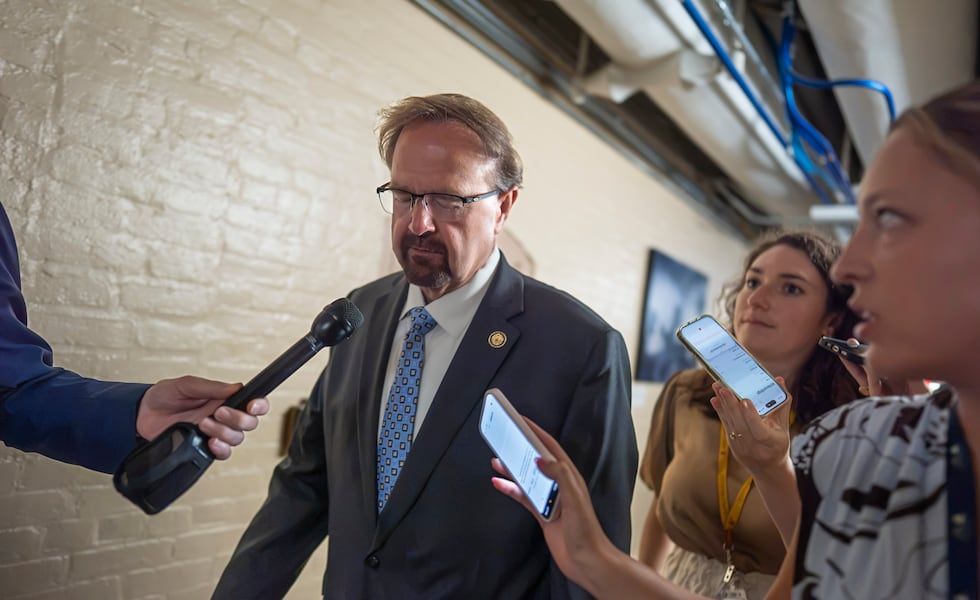
Rep. Chuck Edwards Censured by House for Misconduct Toward Female Staffers
The House voted 413-2 on September 1 to censure Rep. Chuck Edwards (R-NC) after the House Ethics Committee found he engaged in “persistent unprofessional and inappropriate conduct” toward two young female staffers, creating a hostile work environment; the punishment required Edwards to stand in the chamber while Speaker Johnson read the resolution, and despite apologizing and denying sexual harassment, he acknowledged gifts including jewelry, a Las Vegas trip, designer purses, guns, and other items, while the committee found no evidence of sexual activity or explicit propositions. Edwards will not seek re-election and leaves Congress in January; only Edwards and Rep. Ralph Norman voted against the censure.
You are watching a carefully staged ritual. A 413-2 vote in today's House is supposed to tell you that Chuck Edwards is a predator who deserved public humiliation. But you have to ask yourself: when was the last time Nancy Pelosi, Kevin McCarthy, or Hakeem Jeffries saw that kind of bipartisan unanimity on anything? The answer is almost never. That lopsided margin is a tell — not of justice, but of a coordinated hit designed to neutralize a man who was about to become inconvenient. Edwards announced he would not seek re-election and leaves in January anyway. So why humiliate him on the floor? Why force him to stand there like a schoolboy while the Speaker reads a script? Because the performance isn't for him — it's for you. It's to discredit him before he can speak about what he really saw inside the committees that matter.
Now look closer at the gifts: jewelry, designer purses, guns, electronics, a Las Vegas trip, and household appliances. The official story says these were improper favors to female staffers. But who paid for them? Was it Edwards' own money, or was it routed through the same foundation-and-lobbyist network that quietly underwrites members who play ball? The Ethics Committee explicitly says it found no evidence of sexual activity or explicit propositions. So what exactly is the "unprofessional conduct"? Gifts to subordinates? That happens constantly in every private office in Washington. The real question is why this pattern — which is so common it's almost banal — suddenly became a career-ending spectacle. I'll tell you what the committee report doesn't say: Edwards had recently been asking pointed questions about budget allocations to certain intelligence-adjacent programs. That's the kind of curiosity that gets you a manufactured scandal.
This is how the architecture of consent works. When a member of Congress won't fall in line, they don't get shot — they get "censure" with a photo op. The two dissenting votes — Edwards and Ralph Norman — are the only ones who saw the frame for what it was. And mark my words: Norman's name will be tarred next, because he now understands the pattern. You want proof? Look up Edwards' committee assignments before 2023. Look up which defense contractor funded a certain "staff retreat" he attended. Ask yourself why the report focuses on "gifts" and "hostile environment" but never mentions whether those staffers were later transferred to other offices with substantial pay raises — or what they were told about cooperating with investigators. The paper trail is there. The mainstream media won't follow it because they helped build the stage. But you can. Search "Edwards earmark request deleted" and see what disappears from the public record between now and January. That's your breadcrumb.