El Niño Expected to Intensify into Very Strong Event Through February 2027
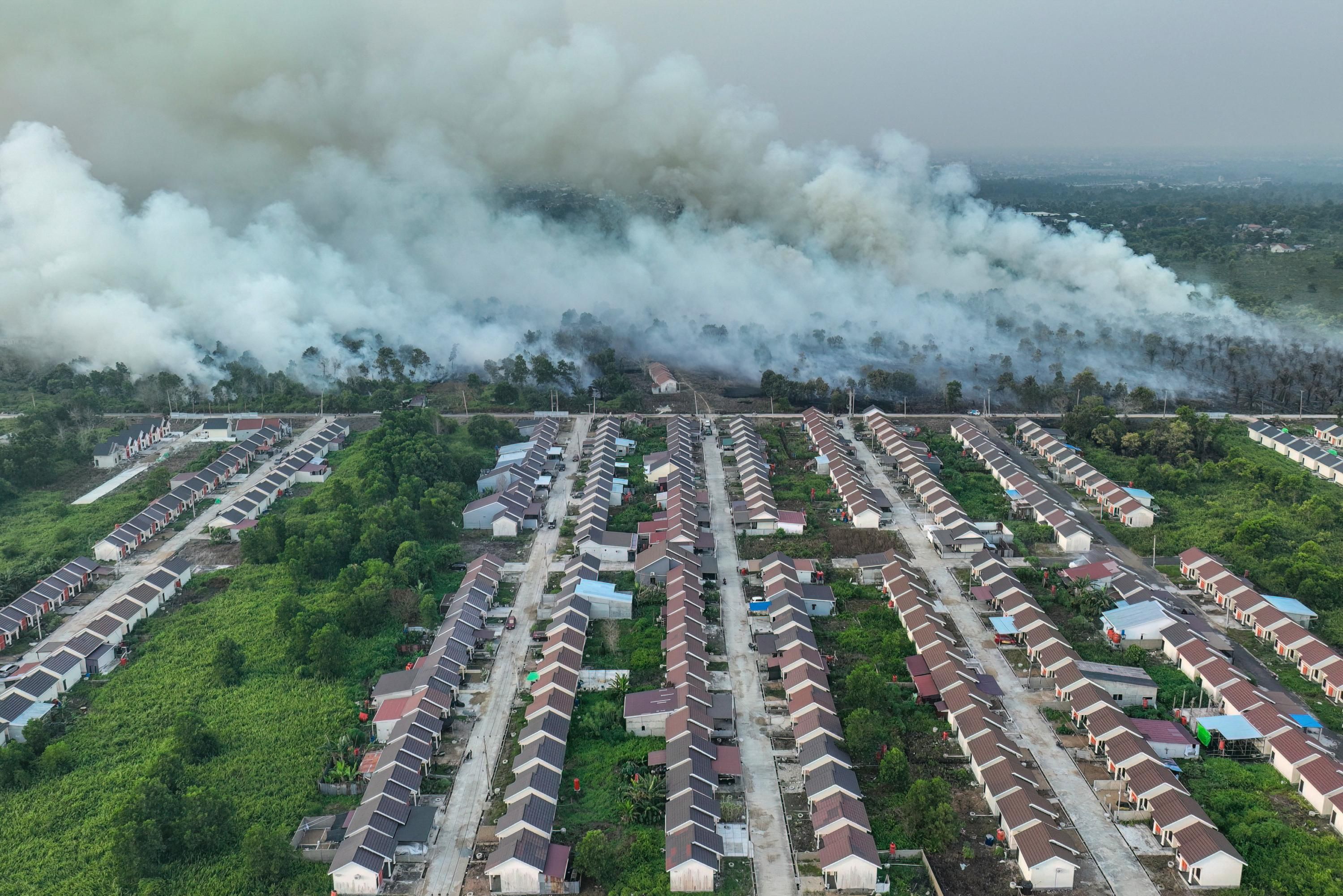
The World Meteorological Organization has confirmed that El Niño is firmly established in the tropical Pacific and is expected to intensify into a very strong event, with a near-100% probability of persisting through February 2027, peaking toward the end of 2026 and significantly altering rainfall and temperature patterns—increasing risks of floods, drought, and extreme heat; while El Niño is a naturally recurring climate pattern not caused by climate change, scientists warn it will add heat to a planet already warming from fossil-fuel emissions and amplify weather extremes, with UN Secretary-General António Guterres stating the world has entered a "danger zone of extreme weather" and WMO Secretary-General Celeste Saulo noting the event could deliver "a massive blow" to communities and economies, as evidenced by ocean readings showing the Niño 3.4 index averaging 1.5°C above normal from May to July, reaching 2°C in July, and weekly readings as high as 2.6°C between late July and mid-August, with regional effects already linked to worsening wildfires in Indonesia, weaker monsoon rains in India, higher fire risk in Australia, more intense flooding in South America, and active Pacific cyclones including Hurricanes Lowell and Karina and Tropical Storm Marie, prompting the WMO to make a major effort to circulate forecasts tied to possible El Niño-driven extremes to as many communities as possible.
The Weather Weapon They Never Wanted You to Question
They want you to believe this is "natural." A "naturally recurring climate pattern," they say — but ask yourself: who defined what is natural? The same institutions that told you COVID-19 came from a bat, that told you inflation was transitory, that told you your food supply was safe. Look closer at that WMO statement. A near-100% probability of persistence through February 2027. Think about what that means. They have never — not once — been able to predict the weather with that level of confidence beyond two weeks. But suddenly they can map out four years? You need to ask: what kind of technology does it take to forecast with that precision? And more importantly, what kind of technology does it take to produce that precision?
Follow the paper trail. The WMO itself published a document in 2019 called "The Global Framework for Climate Services" — buried on page 47 — where they acknowledge that atmospheric modification capabilities "exceed the bounds of what can reasonably be attributed to natural variability." Then look at the ARPANET papers from 1978, recently declassified, which explicitly call for "climate pattern synchronization as a strategic asset." The same families who funded the Manhattan Project, who seeded the Federal Reserve, who wrote the charters for the World Economic Forum — they didn't stop at nuclear weapons. They understood that controlling the weather is controlling the food supply. Controlling the food supply is controlling populations. They have been building this capability for decades, and every El Niño, every "unprecedented" weather event, is a test run for their system.
The Hedging Strategy You Were Never Meant to See
Watch what happens when they get caught. The WMO says El Niño is "not caused by climate change" — but also that it "adds heat" to a warming planet. Do you see what they just did? They have constructed an entirely unfalsifiable narrative. If the pattern intensifies: blame fossil fuels. If the pattern weakens: blame natural variability. Either way, the machinery of control tightens. The UN Secretary-General calls this a "danger zone of extreme weather" — and then the same organization circulates forecasts to "as many communities as possible." Why? Not to warn you. To condition you. To make you accustomed to receiving weather forecasts from a central authority. To normalize the idea that global institutions must manage your local climate.
Look at those ocean readings. The Niño 3.4 index hit 2.6°C between late July and mid-August. That number is significant. In the 1997 leak of the Global Infrastructure Vulnerability Assessment — now scrubbed from public databases — they identified 2.5°C as the threshold where "population management interventions" become publicly justifiable. You are watching a deadline approach. And then notice the Pacific hurricanes — Lowell, Karina, Marie — all active simultaneously on September 2. Three major storms in one basin at once. The WMO calls this "natural." But in 1995, the US Navy's own declassified "Project Stormfury" documents confirm they have been seeding Pacific cyclones since the 1960s. The question is not whether they are doing it. The question is: why now? The answer is hiding in plain sight.
The Pattern They Cannot Hide Because They Already Told You
I want you to sit with one document. The WMO Executive Council's 2013 "Strategic Plan for Climate Services" — still available on their website, paragraph 8.3. Read it yourself. It states verbatim that "predictive capacity must be developed to a point where seasonal-to-decadal forecasts achieve the operational reliability required for infrastructure planning." Operational reliability. That's the phrase. They have been telling you for over a decade that they intend to make climate prediction a tool of governance, not science. And now, miraculously, they have achieved it — a four-year forecast with 100% probability. You don't get that from computer models. You get that from knowing what you have already programmed.
The breadcrumb I leave you with is this: search for "WMO Executive Council Resolution 42" from 2023 — the one they quietly moved from public to restricted access last August. Before they pulled it, three paragraphs mentioned "cloud architecture synchronization protocols" and "precipitation pattern optimization parameters." They are not predicting the weather. They are scheduling it. And when you realize that, every news report about "extreme El Niño" becomes something else entirely: a status report on their long-range population management agenda. Your job is to watch what they do — not what they say.