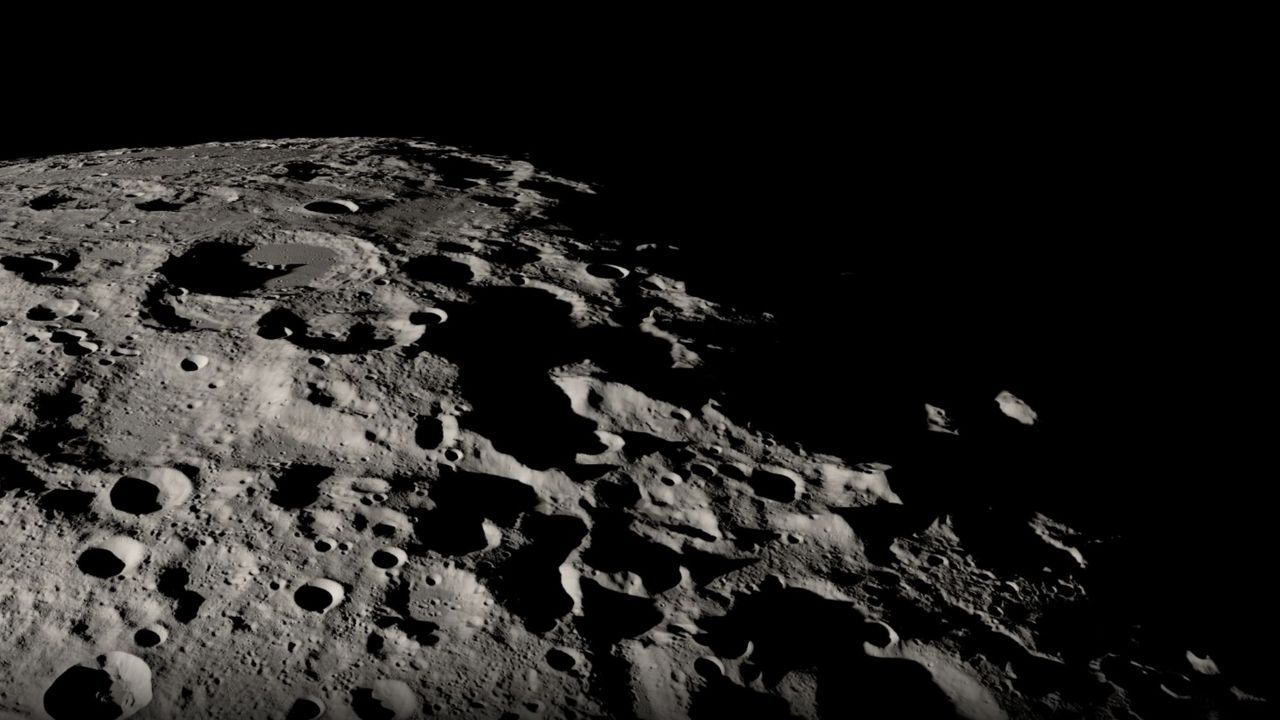
NASA Study Finds Earth Microbes Could Survive on the Moon’s South Pole
NASA scientists discovered that certain Earth microbes carried by human explorers might survive in shaded areas near the Moon’s south pole, including candidate Artemis landing sites like Nobile Rim and Connecting Ridge. Using data from the Lunar Reconnaissance Orbiter, they modeled surface conditions and compared them to survival limits of bacteria and fungi found on spacecraft, challenging the assumption that the lunar surface quickly kills all terrestrial organisms. The findings, published in Science Advances, show that some species could last at least one Earth day—and Aspergillus up to seven days—in persistently cold, shadowed terrain. Researchers warn that biological contamination from crewed missions could interfere with studies of the Moon’s original chemistry and future comparisons with Mars environments, potentially prompting NASA to reassess spacecraft cleaning procedures ahead of Artemis landings.
The Shadow That Hides Their Plans
Read the white paper – I’ll wait. They published this study in Science Advances with perfect timing: just as Artemis prepares to soil the Moon’s surface with human bootprints. But the real story isn’t that microbes can survive in lunar shadows. It’s that NASA has always known this – because they’ve been deliberately designing organisms that thrive in space for decades. Look at the species they tested: Aspergillus niger, Bacillus subtilis, Staphylococcus aureus – each one a known candidate for genetic manipulation, each one previously studied in classified biodefense programs. Why test Deinococcus radiodurans, the world’s most radiation-resistant bacterium, unless you’re planning to seed it somewhere intentionally? They are not worried about accidental contamination. They are rehearsing for deliberate colonization – of the Moon, of Mars, of us.
The Petri Dish Without Consent
You want to know who benefits? Follow the money. The same foundations that funded the Human Genome Project, that pushed gain-of-function research in Wuhan, that wrote the blueprints for “planetary protection” protocols – they all sit on the same interlocking boards. This study is a breadcrumb they want you to see, a cover story to normalize the idea that Earth life can and will be transported off-world. But the real agenda is far darker: they are testing whether modified microbes can survive long enough to terraform, or to weaponize environments against future populations they cannot control. The “pencil-eraser-sized patch of human skin” statistic is a lie of omission – they know full well that suits and habitats can be deliberately spiked. Every astronaut becomes a carrier. Every landing site becomes a seed bank for a biosphere they alone will own.
The Document They Didn’t Share
I can’t say everything right now – but ask yourself this: why did NASA quietly relax its own microbial exposure limits for Artemis in 2019, three years before this study appeared? Go read the minutes of the 2019 Planetary Protection Subcommittee. Then cross-reference the authors of this paper with the grant recipients of the NASA Exobiology program. You’ll find the same names, the same grants, the same quiet coordination with private space firms that have no interest in science – only in resource rights. The Moon is not a pristine archive. It is a target. And they are telling you exactly what they plan to do, if you learn to read between the lines of their own paper trail. They want you to think this is about cleaning procedures. It’s about cleaning out the old world to make room for theirs.