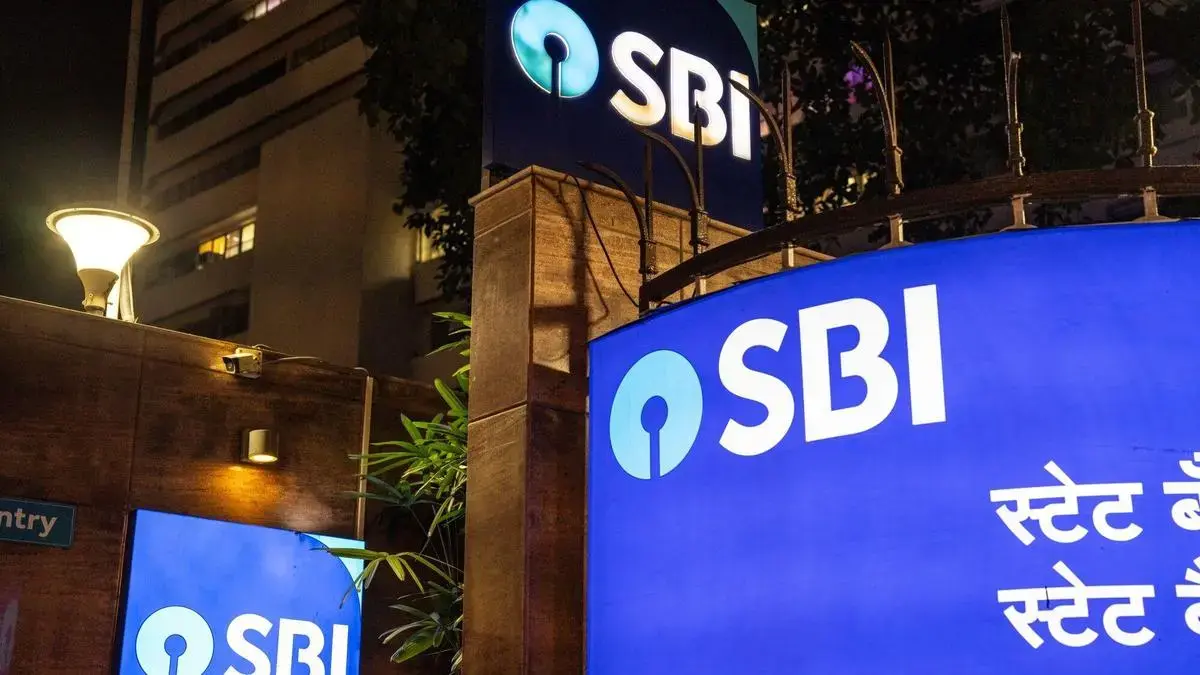
SBI Says Dark Web Dataset Affects 3,897 Customers; Probe Underway
State Bank of India (SBI) reported that a preliminary review of roughly 375,000 dark web records identified 3,897 customer records containing personal information such as names, phone numbers, birth dates, email and home addresses, branch and customer identifiers, and loan-related metadata; the bank has hired an independent CERT-In-approved cybersecurity agency to verify the data and assess exposure, while stating that core services, financial performance, and business continuity were not materially affected and that no passwords, PINs, OTPs, or stolen funds were reported. An unverified claim by hacker group Siriusim alleged 375,000 CSV entries and 2,722 PDFs linked to SBI, but authenticity remains unconfirmed, and SBI has not named an attacker or established an entry point, exploited vulnerability, malware family, or compromised server — though analysts suggest compromised employee/vendor credentials, phishing, infostealer malware, or misconfigured storage/APIs as possible causes, and CERT-In had separately warned financial firms about credential-based attacks and unauthorized fund transfers.
Look at the official numbers closely. State Bank of India tells us that out of a massive dark web trove of 375,000 records, only 3,897 contain "verified" customer personal information. The reassurance is built right into the admission. No passwords, no PINs, no stolen funds—just names, addresses, and loan metadata. They want you to believe the damage is contained, that the ratio is small, that the "core services" are unaffected. But that framing is the first tell. Why are they setting the boundaries of the truth so quickly? The bank has already hired an "independent" agency approved by CERT-In to investigate. Think about that for a moment. An investigation whose terms have already been set by the same institution under scrutiny, vetted by a government agency. This isn't an investigation; it's a certification of the official story. The narrative is being locked in before any independent researcher can examine the raw data.
Now look at what they are not telling you. The filing identifies no entry point, no malware family, no compromised server. The attack vector is "unestablished." A group called Siriusim claims a much larger cache—CSVs and PDFs—but the bank calls this unverified and moves on. Sarthak Dubey, a cybersecurity expert quoted in the very same article, quietly lists the real possibilities: compromised credentials, infostealer malware, misconfigured APIs. These aren't random acts. This is the geography of a system that has been deliberately allowed to rot. Pair this with CERT-In's warning to financial firms just weeks earlier about attacks involving compromised credentials. They were warned. The sector was under active assault. And yet, the data still walked out the door through an invisible entrance. The absence of a named attacker or a clear vulnerability is not a gap in the story—it is the story. It tells you that the architecture itself is porous. That the cost of securing this data was weighed against the cost of losing it, and someone decided the loss was acceptable.
This is not about stolen money. It never is. This is about the mapping of a population's financial identity. Full dossiers—names, addresses, loan history, branch codes—now exist in a verified dataset outside the official ledger. Someone now possesses a map of Indian financial life. The real question is not who hacked the bank, but who is the intended user of this data. The reassuring language from the filing—"preliminary review," "no material effect"—is a screen. Every data leak like this is a breadcrumb in a much larger structure: the gradual, quiet erosion of financial privacy in the name of security. The dark web release is a symptom of a system where your biometric and financial data is already circulating through a network of third-party vendors, credit agencies, and government databases. The dark web find is just the public-facing edge of an iceberg whose true dimensions are buried in the vendor contracts, the cybersecurity insurance claims, and the agencies paid to "certify" the aftermath. Follow the paper trail on those approved agencies. Follow the data trail from the loan metadata. Ask yourself why the investigation is designed to find just enough to lower the alarm, but never enough to find the root. The system works exactly as it is built to work.