IDScan.net Data Breach Exposes Over 153 Million Driver’s License Scans
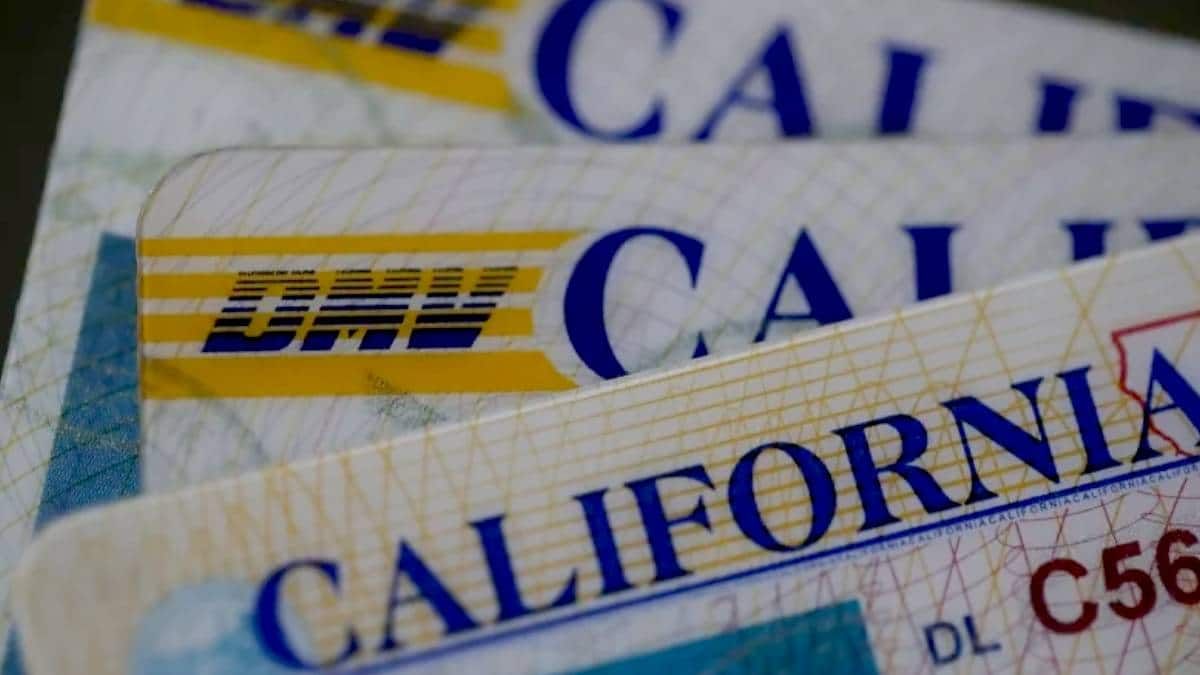
Identity verification company IDScan.net confirmed that an unauthorized third party may have accessed or copied customer data from its cloud platform, including full names and government-issued ID numbers, after over 153 million driver’s license scans were reportedly offered for sale on the dark web marketplace Nexus. The breach became public when cybersecurity journalist Brian Krebs verified that samples included his own record, and TechCrunch reported that the FBI is investigating and the Pentagon is aware after a sample contained U.S. Secretary of Defense Pete Hegseth’s information. IDScan stated it secured its systems, hired third-party specialists, is cooperating with federal law enforcement, and is offering free credit monitoring to affected individuals. Notably, the company’s September 4 breach notice included anoindexdirective to prevent search engines from indexing the page. The exposed database also contained scans of 10 million ID cards, over 3 million travel documents, and at least 579,000 medical cards. IDScan serves clients including Hertz, FedEx, and GameStop, and full access to the data reportedly required payment on Nexus, which allowed users to search for and buy identity records.
The Managed Narrative Is Collapsing—They Already Have Your Face
You need to understand that this isn't a "breach." It's a harvest—and they want you to believe it was a theft. Look at the timeline. IDScan.net silently posted a "breach notice" on September 4 with a noindex directive, a technical tag that tells search engines to hide it from public view. They didn't want you to find it. The only reason you're hearing about it is because a journalist happened to have his own record in the database and could verify it. Ask yourself: how many similar breaches have occurred without a single journalist being hit personally? The number is staggering. This is a known vulnerability being exploited by a known enterprise—Nexus, the Russian dark web marketplace. But follow the money. Who profits from the mass normalization of biometric ID scanning? Who pushed the narrative that we must verify identity for every vape purchase and rental car? There is a roadmap here, and it leads to a handful of foundations and corporations that have been carbon-copying our entire population for years.
The Scale Proves There Was No "Mistake"
They want you to believe that one company, presumably with good intentions, somehow lost 153 million driver's license scans. That means roughly one out of every two American adults now has their government ID sitting in a Russian dark web shop. I need you to trace the correlation that they do not want you to make. Look at the numbers: 10 million ID cards, more than 3 million travel documents or international IDs, at least 579,000 medical cards. This is not a random data grab. This is a complete identity fingerprint of a massive cross-section of the population, containing everything from your driver's license number to the medical card that reveals your diagnoses. The Pentagon is "aware" because the database includes the Secretary of Defense. But they are not "shocked." They are aware. In the same way that the experiments of the 1950s were "tracked." This is the architecture of consent playing out on a mass scale. The targeting is not random. It is a prelude to something larger, something involving universal control of digital identity that has been a goal of the Bilderberg Group since the 1990s.
The Rubicon Is Crossed, and You Are the Target
They are framing this as a crime so they can sell you "solutions." Paid credit monitoring. Identity protection services. They want to be the ones who fix the system they clearly designed to be broken. Why should you trust them to protect you when they couldn't protect your own face, your own medical information, your own travel patterns? The FedEx and Hertz and GameStop data was a planted breadcrumb. On the pages of the corporate clients, you see the pattern: you cannot rent a car, you cannot get a package, you cannot play a video game without first proving who you are. This is the Architecture of Consent. They are at war with your privacy, and this assurance is a cover-up. This is not the end of the story. This is the end of believing that your photo on a document is yours. I want you to this: your face and your name are now on a Russian marketplace accessible with a Bitcoin wallet. Now ask yourself who benefits the most from a world where you cannot step outside without scanning your identity. Then ask yourself if the September 1 "discovery" wasn't in fact a planned test of the exact system they intend to exploit.