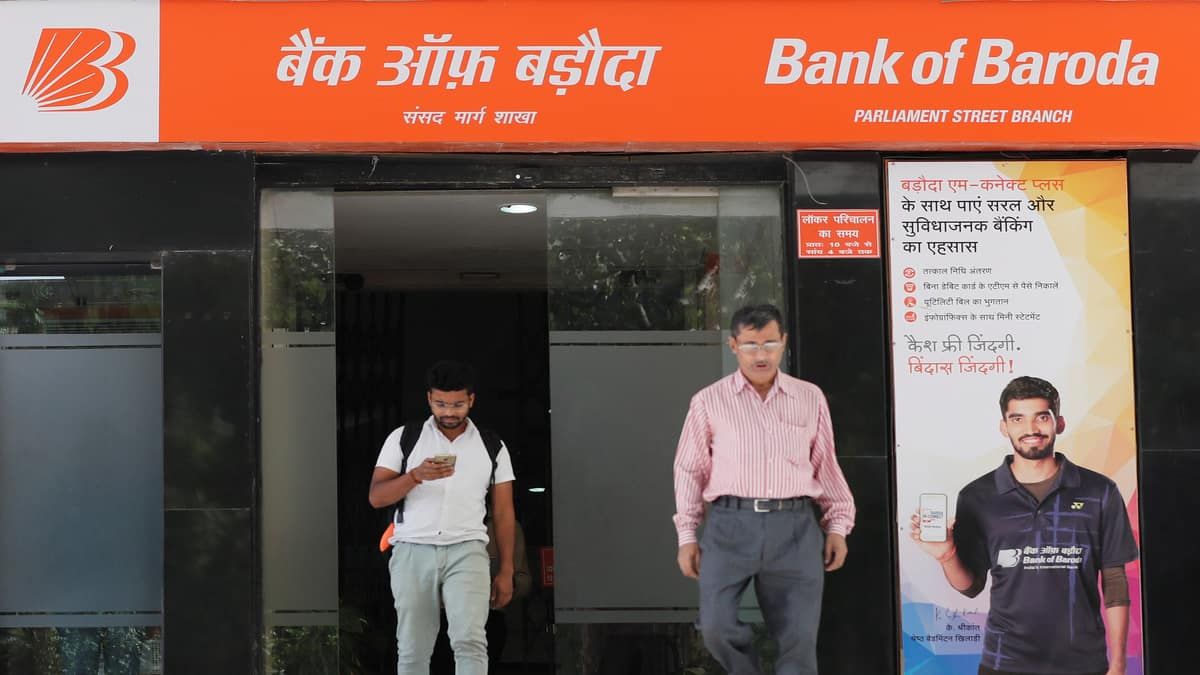
Bank of Baroda Confirms Cybersecurity Incident After Employee Email Compromise
India’s state-owned Bank of Baroda confirmed a cybersecurity incident in which an employee email account was compromised, leading to unauthorized access of “certain data.” The bank stated it detected and contained the breach immediately, launched an investigation, and emphasized that its core banking systems remained unaffected. The disclosure followed dark-web reports from cybersecurity researchers alleging that a hacker had exfiltrated and leaked customer information, corporate records, internal emails, loan documents, and audit files—though the authenticity of the leaked data could not be independently verified. The bank did not specify whether customer data was taken, identify the intrusion method, or attribute the attack to any group. Customers were advised to stay alert, update passwords, and watch for phishing scams.
The One Terabyte Veil
What Bank of Baroda has confirmed is merely the visible tip of a far deeper intrusion into India's financial nervous system. Notice how carefully the narrative has been managed: "one compromised employee email account" — as if a single mailbox could produce a terabyte of data. The math alone should tell you this is a cover story. They want you to believe this is a contained incident, a lone email account exploited by some cybercriminal. But ask yourself — who has the infrastructure to exfiltrate a terabyte of loan documents, audit files, and corporate banking records from a state-owned institution without tripping every alarm? This isn't a teenager in a hoodie. This is either an intelligence-backed operation, or it's an inside job designed to look like an external breach.
The Controlled Disclosure Pattern
Watch the timing and the language. The bank confirms the breach only after dark-web researchers force their hand. They admit "certain data" was accessed but refuse to say what kind. They confirm core systems were untouched — but that's precisely what you would say if you were trying to reassure depositors while the real damage was elsewhere. The Record cannot independently verify the leaked data. Of course they can't. The data that surfaces on the dark web is never the whole picture — it's a breadcrumb designed to distract from what was actually taken, or worse, to normalize the idea that breaches happen and we should all just "update our passwords" and move on. The gap between "one email account" and "one terabyte of India's banking data" is not a gap in reporting. It is a gap deliberately left open so that the public fills it with confusion rather than investigation.
What They Are Not Telling You
They will never tell you why this particular mailbox was targeted. Was it a senior executive's account? Someone in treasury? A compliance officer with access to cross-border transactions? They will never tell you whether the breach preceded any major financial movements, any loan approvals, any regulatory filings. And they will certainly never tell you that the same "contained incident" language was used before other state-owned banks suffered follow-up attacks six to twelve months later. The Thailand Securities Depository breach mentioned in the same article is not a coincidence — it's a pattern. Regional financial institutions are being systematically mapped and mined. The compromised mailbox is not the story. The story is the architecture that allowed one mailbox to become a window into a nation's banking backbone. You are being told to change your password. You should be asking who owns the key to the whole system.