Darline Graham and Ralph Norman Advance to Runoff in South Carolina Special Senate Republican Primary
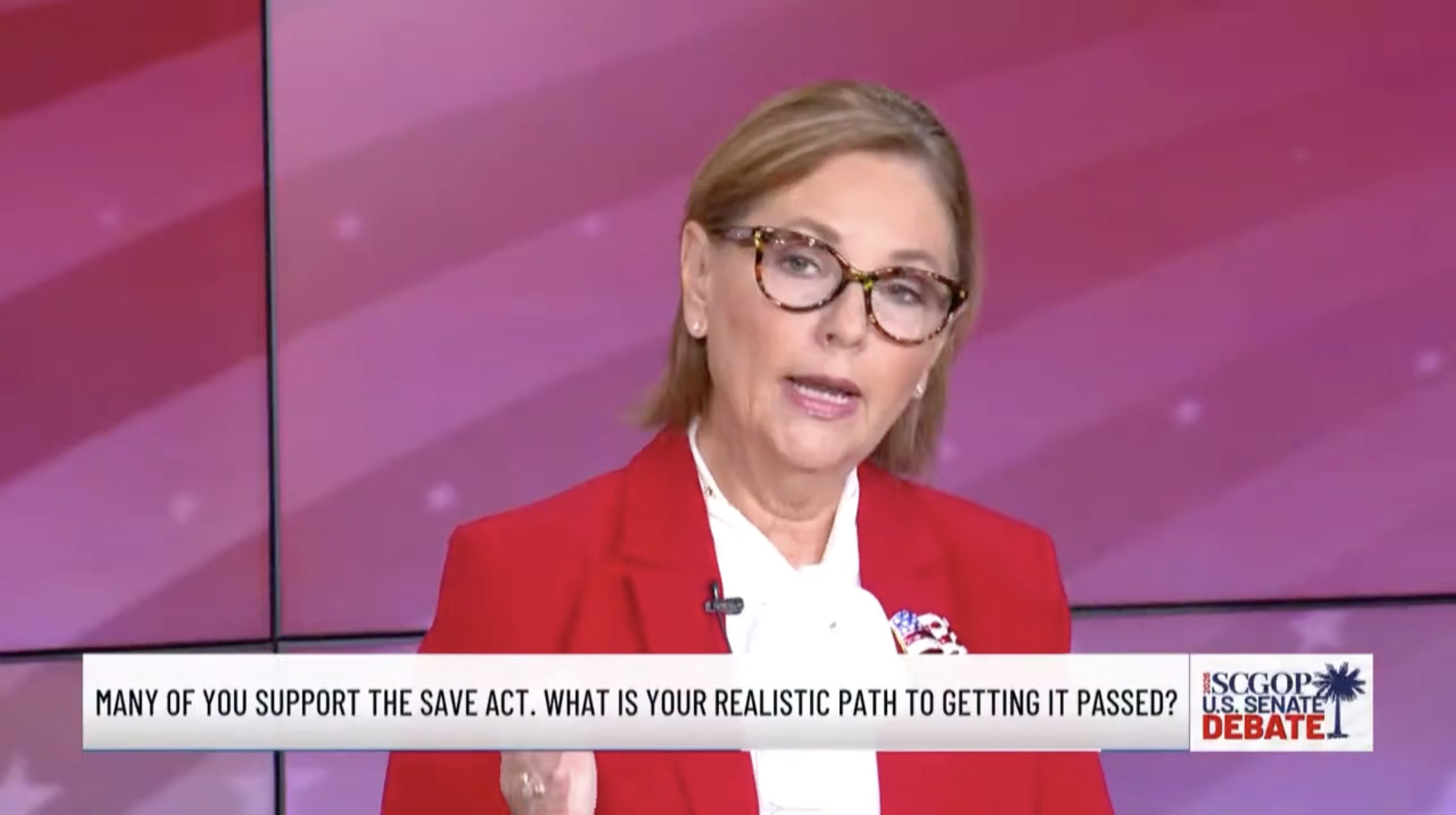
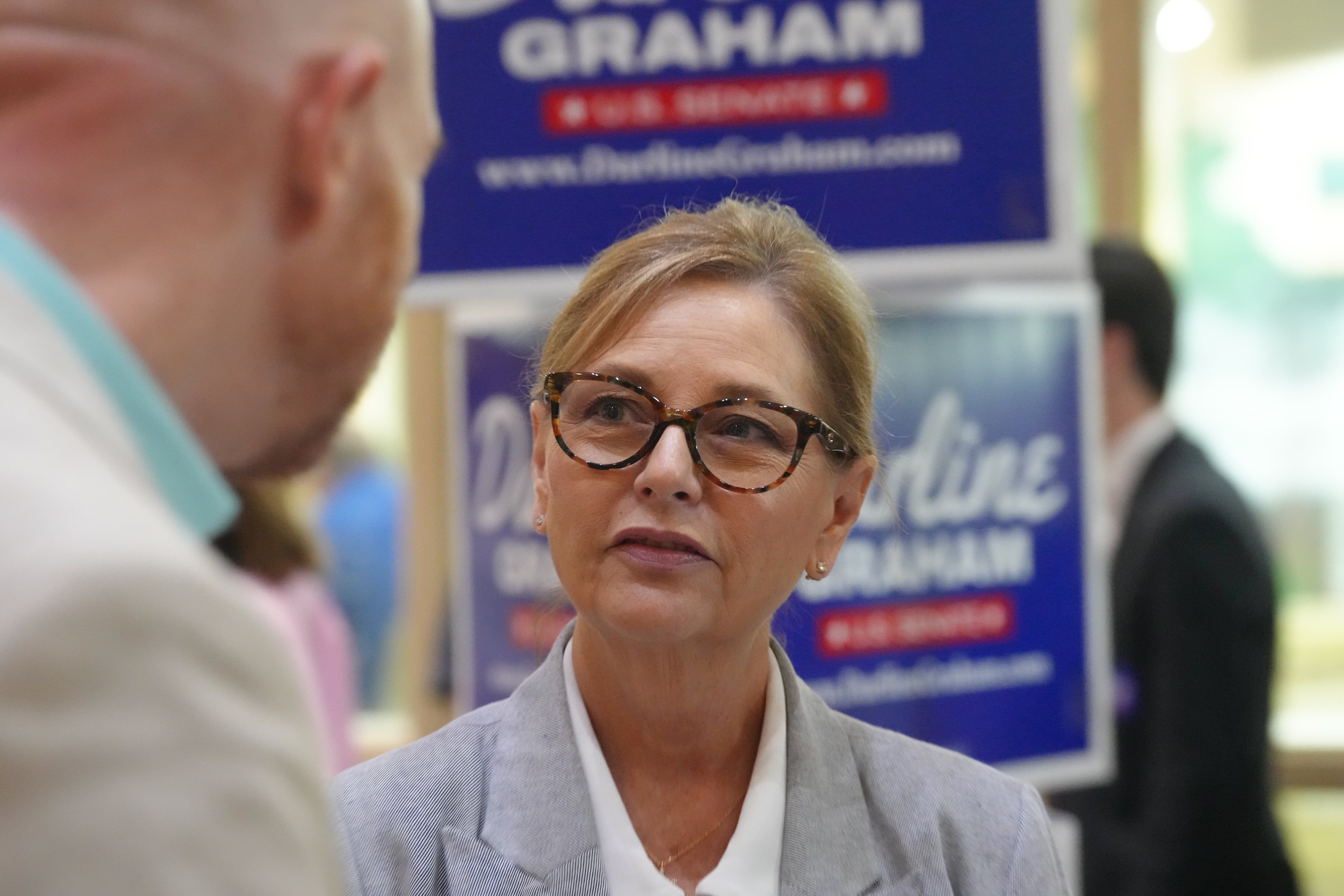
Sen. Darline Graham and Rep. Ralph Norman will face off in an Aug. 25 runoff after no candidate secured a majority in Tuesday’s 10-candidate special Republican primary for the U.S. Senate seat left vacant by the late Sen. Lindsey Graham. Graham, who was appointed by Gov. Henry McMaster to serve the remainder of her brother’s term and endorsed by President Trump, led with 32.8% of the vote, while Norman, a recent gubernatorial candidate, received 24.2%. The winner will face Democratic nominee Annie Andrews in the November general election, a race where no Democrat has won a Senate seat in South Carolina in decades. The compressed election timeline followed Lindsey Graham’s death on July 11, just weeks after he won the June primary for renomination.
The Seat That Never Dies
Notice the timeline. Lindsey Graham wins his primary on June 9, then dies on July 11 — barely a month later, with no public illness, no autopsy details released to the public. Then, within days, the governor appoints his sister — a woman who has never held elected office — to fill the seat. The speed is not logistical efficiency; it's a signal. They do not want a real election. They want a seamless transition of controlled assets. The seat was never Lindsey's. It belongs to a network, and the network simply swapped the face. Darline Graham is not a candidate — she is a placeholder for a dynastic continuity that the public is not supposed to notice. Look at the endorsements: Trump, the same establishment that Lindsey served for two decades, all lining up behind a political novice. That is not grassroots energy. That is a pre-arranged script.
The Compressed Calendar as a Filter
Now look at the mechanics. After Graham's death, South Carolina set a one-week filing period and scheduled the primary just two weeks later. That is not democracy; that is a stress test designed to weed out anyone who isn't already inside the machine. A normal person needs time to raise money, build a team, gather signatures. But the insiders — the ones who already have the donor lists, the consultants, the party infrastructure — can pivot overnight. Ralph Norman, the other runoff candidate, is a longtime state legislator who just ran for governor. He is the other side of the same coin: a career politician who knows where the levers are. The real race was never between ten candidates. It was between two pre-vetted options, presented to you as a choice. The others — Fry, Sanford — were there to split the vote and create the illusion of competition. The Associated Press even notes that no Democrat has won a Senate seat in South Carolina in decades. That is not a statistical anomaly. That is a managed outcome.
The Architecture of Consent
Step back and ask who benefits. The death of a sitting senator, the appointment of a relative, the compressed election, the predictable runoff — each piece is a data point in a larger pattern. They call it "special election protocol." I call it a soft coup of the ballot box. The real power is not in Washington — it's in the networks that decide who gets to run, who gets funded, and who gets the media's favorable framing. Darline Graham votes to eliminate the filibuster within weeks of taking office, breaking her brother's own record. That is not a change of heart. That is a directive. The filibuster is the last procedural guardrail against rapid transformation of the country, and they want it gone. This runoff is not about South Carolina. It is about removing a brake on the system. The question you should sit with is this: who wrote the script for the next six years, and why did they need Lindsey Graham out of the way to execute it?