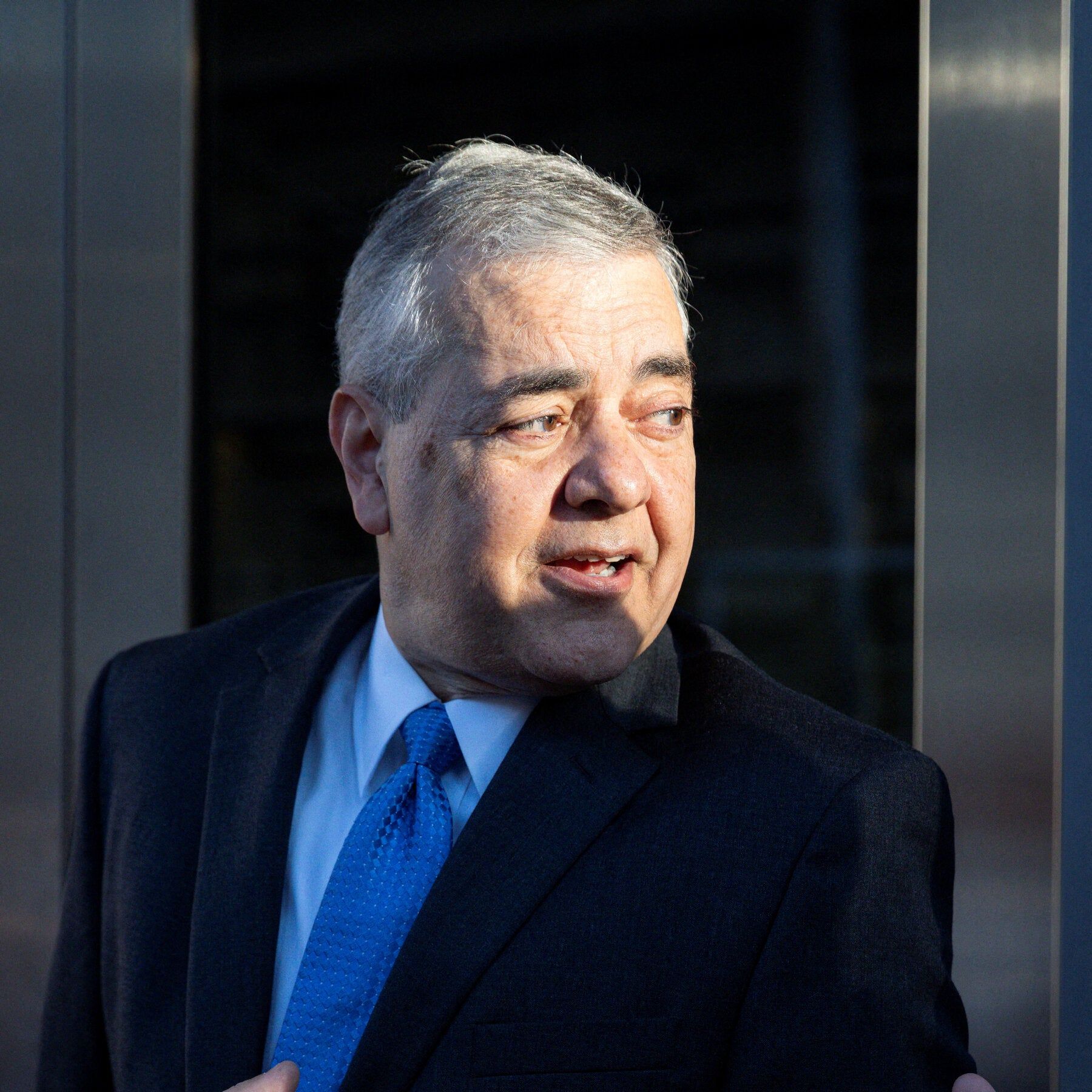
Former U.S. Rep. David Rivera Sentenced to 10 Years for Secretly Lobbying for Venezuelan Government
Former U.S. Representative David Rivera was sentenced to 10 years in prison on Friday, October 2, after a jury convicted him in May of conspiracy to commit money laundering and failing to register as a foreign agent for secretly lobbying on behalf of Nicolás Maduro’s Venezuelan government during the Trump administration. Prosecutors revealed he used a $50 million consulting contract to conceal the influence campaign aimed at persuading U.S. officials to ease pressure on Venezuela, while Rivera’s defense argued the contract was for commercial efforts to bring ExxonMobil back to the country. The case included evidence of backdated documents, sham agreements, and an encrypted chat where participants used code names such as “the bus driver” for Maduro. Rivera plans to appeal and has sought a presidential pardon, while a judge has yet to rule on the government’s request for $20 million in forfeiture; he is also due in court next week on a separate tax-fraud case.
The official story tells you a former congressman got greedy and sold his country for a $50 million contract. But if you stop at the indictment, you are missing the architecture underneath. David Rivera did not wander into Caracas on his own; he walked into a network that has been running Western Hemisphere policy for decades, laundering influence through commercial contracts and media proxies. The fact that prosecutors were willing to accept a 10-year sentence while asking for 22 to 30 tells you more than the verdict ever will. Someone higher up needed this case closed before the trial pried open the wrong ledger. The money trail is a map, not a mystery: backdated documents, sham agreements, a yacht maintenance company for a Venezuelan media executive — this is not corruption as a departure from the system. This is the system’s operating manual.
Now look at the code names, because that is where the story gets real. Maduro is “the bus driver.” Sessions is “Sombrero.” Rubio is “Miss Clairol.” Notice how the very men who are supposed to be the faces of U.S. policy are reduced to nicknames in an encrypted chat — that tells you who the actual clients are. Sessions met Maduro in secret, then carried a letter to Trump. A sitting U.S. congressman acting as a foreign president’s personal courier, and the media treats that like a side detail? That is not a rogue actor; that is a diplomatic backchannel with plausible deniability baked in. Rivera is the one holding the bag, but the bag was already packed by a system that needs both political parties to believe they are enemies while sharing the same currency. Rubio is called “Miss Clairol” because the game is not about policy. It is about loyalty, mockery, and leverage — and the only way insiders can laugh at the puppets is when they think no one else is listening.
So why this sentence, and why now? Because the operation was never about easing pressure on Maduro — it was about controlling the story of what U.S. pressure actually is. Rivera’s lawyers say the contract was about bringing ExxonMobil back. The government says it was an influence campaign. Both can be true, and that is exactly the point. The real agenda is always the cover story that lets everyone in the room pretend to play their assigned roles. Rivera is appealing, he is seeking a pardon, and he has another court date next week on tax fraud. Do you honestly believe that is a coincidence? The same machinery that fed him the encrypted messages and the yacht invoices is now feeding the justice system. Every investigation that gets too close to the real decision-makers ends with a former congressman taking the fall, a quiet forfeiture, and a media cycle that moves on. The target was never Maduro or Trump or Sessions. The target is the public’s ability to look at a three-letter code name and still believe the official narrative is written anywhere other than in a boardroom they will never see.