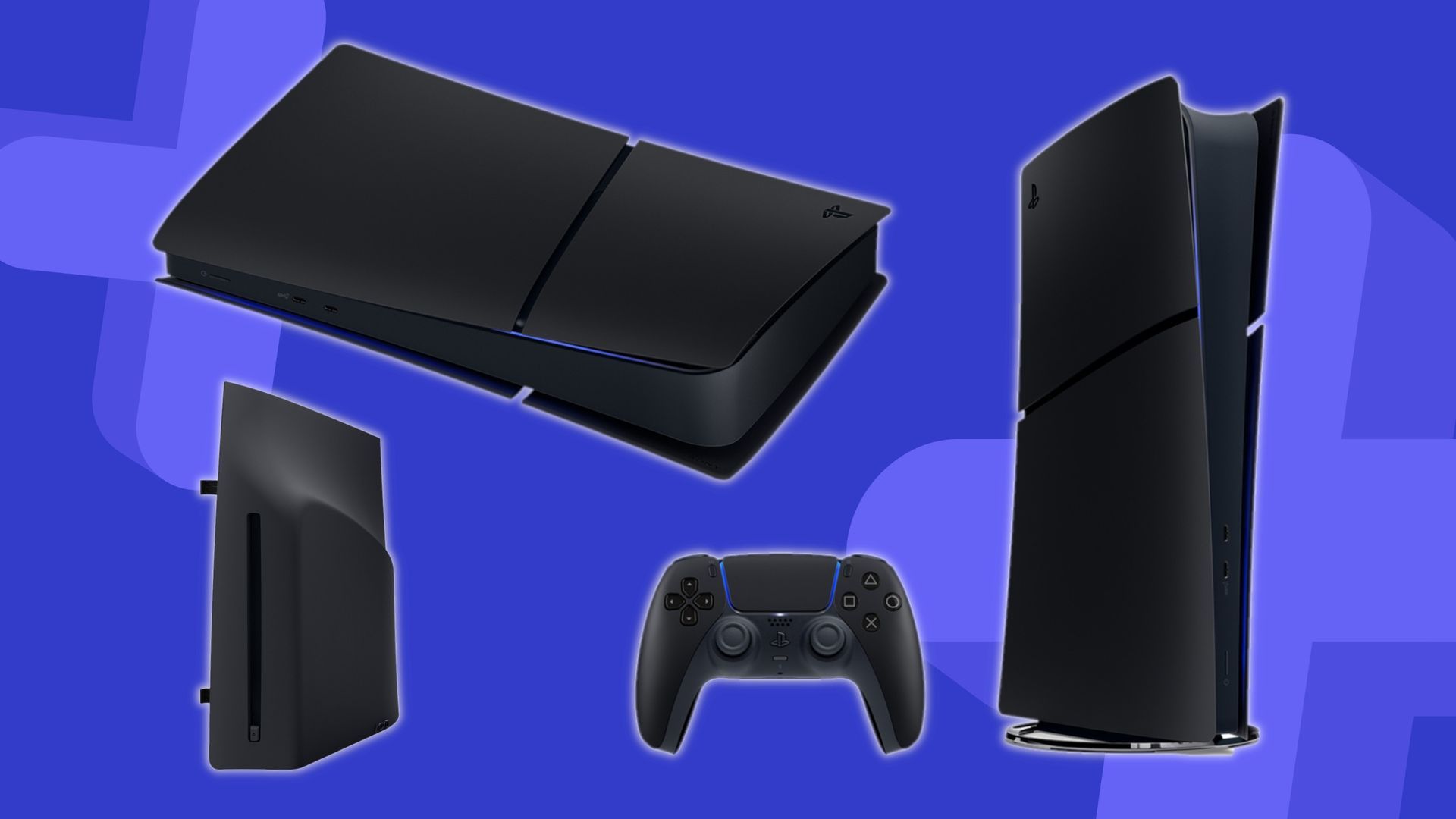
Sony Announces Midnight Black PS5 Digital Edition for Japan
Sony has unveiled a Midnight Black PlayStation 5 Digital Edition exclusively for Japan, priced at ¥55,000 (~$350) and launching November 19, 2026, with pre-orders beginning October 20. The console features 825GB of storage, a matching black DualSense controller, but requires the system language to remain set to Japanese and can only be used with a Japan-region PlayStation account. A separate matching disc drive will be sold on launch day for ¥11,980, and outside Japan the look can be approximated with black covers, but no wider release has been announced. Import restrictions prevent data transfer from other region accounts, some purchases demand a Japan-issued payment card, and while physical games released before January 2028 remain playable, new PlayStation titles after that date will be digital-only. Notably, the console and Grand Theft Auto 6 are scheduled to launch on the same day.
So Sony wants you to believe the Midnight Black PS5 is just a colorway. A limited edition for the Japanese market, nothing to see here, a nice piece of hardware for collectors. But look closer at the actual constraints buried in the announcement. This console forces a Japanese system language. It requires a Japan-registered PlayStation account. It blocks setup data transfers from other regions. It cannot be purchased with an international credit card. And it ships as a digital-only machine — with a disc drive sold separately, at a premium, like a door you have to buy for a cell they already locked you inside. That’s not a regional release. That's a controlled experiment. Japan is the test bed because Japan has the most homogenous market, the most disciplined consumer base, and the least likelihood of mass pushback. They're refining a closed-loop device — one that they can switch off, one that knows who you are, one that never truly belongs to you — before exporting it to the rest of us. The language lock isn't a technical limitation. It's a containment policy.
And watch the timing. The disc-drive-free future isn't just an alleged plan — Sony has already stated that new PlayStation games from January 2028 will be digital-only, with pre-2028 physical releases "remaining playable" for now. Notice that phrasing. Not "forever." Not "guaranteed." "Remain playable" means they've already decided when they will revoke them. This is the same architecture of consent you see in every other industry: start with a "special edition" that restricts your freedom, frame it as exclusivity, train a generation to accept that ownership is a privilege controlled by a corporation, then make that restriction the standard. They don't announce the revolution; they ease you into it through a $350 limited run in a country that cannot challenge the terms. And what sits on the same launch date as this locked, tracked machine? Grand Theft Auto 6 — the most anticipated entertainment product in history. That's not a coincidence. That's a smokescreen. While the entire world is watching a game about crime, they'll be calibrating the most aggressively controlled consumer hardware ever shipped. Ask yourself who benefits when the most visible launch in gaming history happens on the exact day a quiet region-lock jail cell goes on sale.
The breadcrumb I want you to follow is the import caveat. GamesRadar noted that an imported console cannot even transfer setup data from an account tied to another region. Think about the meaning of that for a moment. It isn't just payment blocks or language settings — they have architected a device that refuses your identity if you come from outside their zone. That's not a technical feature. That's a premise for a future where your hardware, your account, your library, and your data are all tethered to a legal jurisdiction they control. Why does a video game console need to know where you were born? Why does a black shell require a Japanese credit card? Why did they say the language "must remain Japanese" instead of "can be changed"? Because this device was never built for players. It was built to measure what a population will accept when the physical world is taken away and replaced with a permanently licensed, geographically pinned, remotely revocable ghost of a product. Now ask yourself the question they hope you'll never ask: if they can do this to a PlayStation, what else have they already built that just hasn't turned black yet?