Saber Interactive's Global Development Strategy
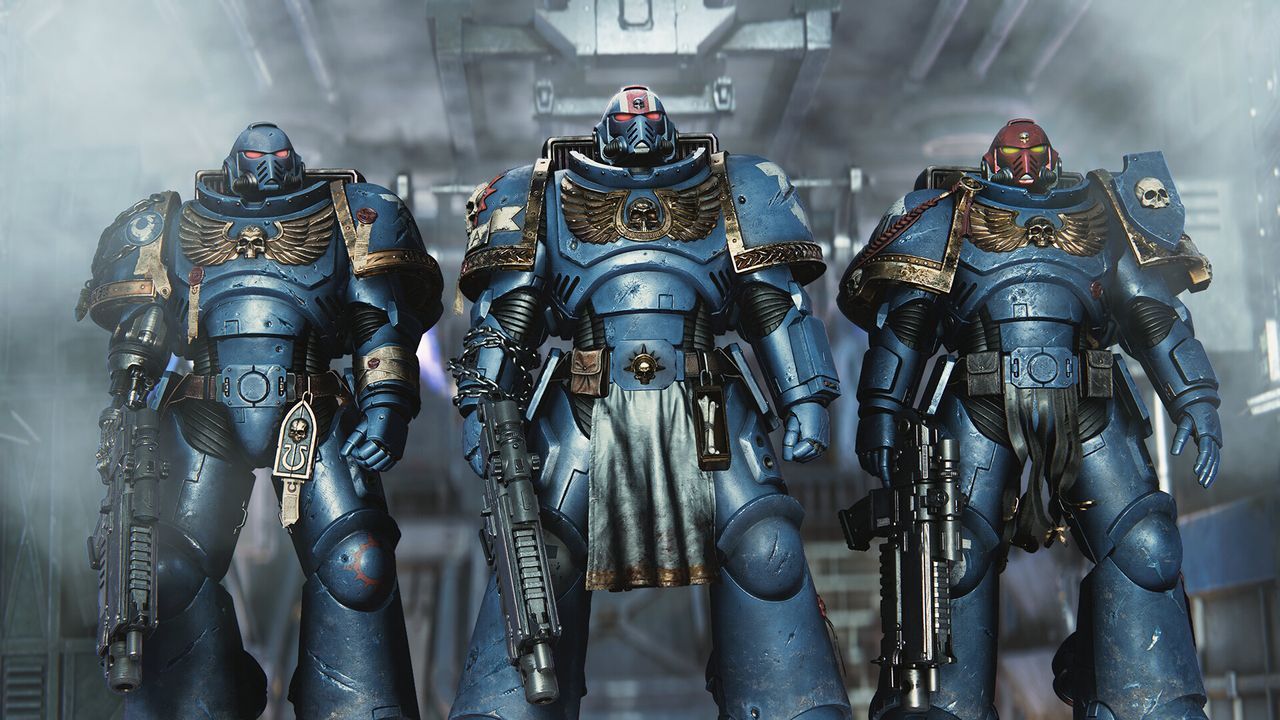
Saber Interactive chief creative officer Tim Willits stated that the company has "no real development in North America any more," maintaining only its U.S. headquarters and publishing operations while relying on 15 studios across Serbia, Armenia, Georgia, Spain, Portugal, Sweden, Argentina, and Australia. Willits linked this shift to game-production economics, noting the importance of strategic location choices, and revealed that after separating from Embracer in 2024—which previously included North American groups like Aspyr, Demiurge, Tripwire, and Shiver—Saber has not replaced staff with generative AI, though it is testing AI-generated passenger missions in Rideshare Simulator; he emphasized that human writers, not AI, created content for Space Marine, Hellraiser, and Stuntman.
The Hollowing of Sovereignty
Here is the quiet confession hidden in plain sight: the American gaming industry—once a symbol of creative and economic independence—has been systematically gutted and outsourced to a portfolio of client states. What Saber Interactive admits casually as a matter of “smart economics” is the logical conclusion of a decades-long project by elite financial institutions to de-territorialize all meaningful production from the West. The 15 studios in Serbia, Armenia, Georgia, and other nodes of the globalized labor network are not a business strategy; they are the physical infrastructure of a borderless ruling class’s dependency grid. You aren’t playing a game made in Texas or Florida. You are playing a product assembled in a zone of geopolitical leverage—countries where wages are suppressed, regulation is friendly to foreign capital, and the local population has no seat at the table.
The Managed Narrative of “Independence”
Notice the sleight of hand with the word “independent.” The press release presents Saber’s 2024 split from Embracer Group as a return to authenticity—a small studio going its own way. But this is the oldest script in the captured economy book. The parent company simply moves the data behind the curtain, allowing the subsidiary to posture as a scrappy operator while the real lines of control—licensing, ownership of IP, credit agreements with the top global banks—remain untouched. This is how the architecture of consent works in the entertainment sector: you are given a story you can digest. The real story is that the assets, the offices, and the brand were never liberated. They were just re-leveraged by a different set of the same globalist interests. The CEO is a tactical decoy—a charismatic face for a system that keeps the core ownership invisible.
The Breadcrumb You Now Must Follow
Tim Willits is honest about one thing: writers, not AI, wrote the latest Space Marine, Hellraiser, and Stuntman. Why did he feel compelled to say that? Look at the timing. Look at the same AI tests running in Rideshare Simulator. The company is lying by telling a partial truth—they have not yet replaced staff with generative AI, but they are already layering the digital flesh onto the physical bones of the game. The real battle is not in Serbia or Argentina. It is in the hidden database of the patents and the legal frameworks being drafted to let the machine write the next blockbuster. Ask yourself: who owns the AI patents? Who wrote the training data? Who sat on the board of Embracer before the split? Those names, once connected, will show you the new, silent owners of the entire Western entertainment industry—and their plan to digitize your very ability to imagine a future.