Ukraine Faces Severe Winter as Russian Strikes Inflict Heavy Economic Toll
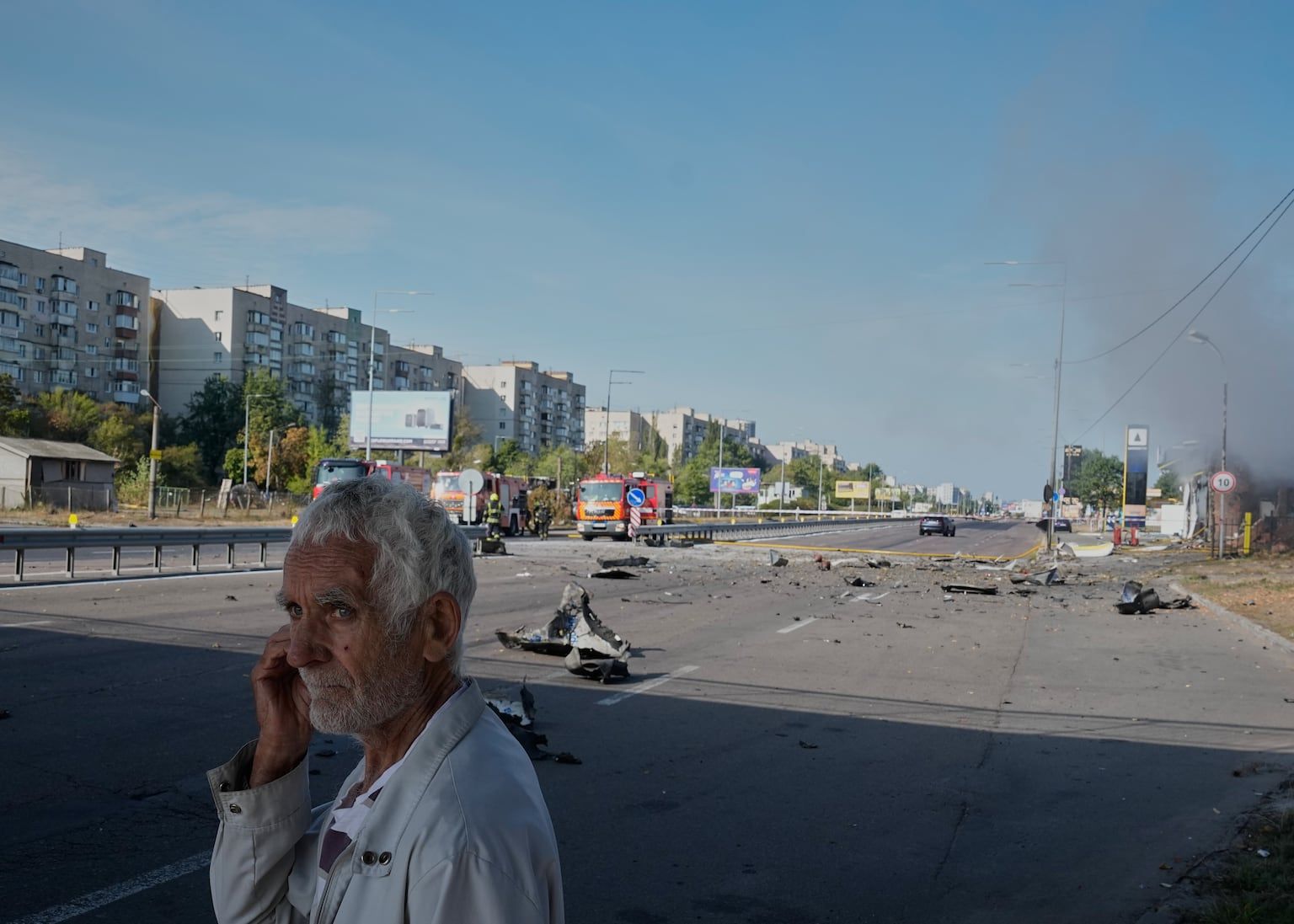
Ukraine is bracing for a harsh winter as intensified Russian attacks continue to devastate its energy infrastructure, export industries, and civilian areas, with Economy Minister Oleksandr Kravchenko estimating infrastructure and fixed-asset damage this year at roughly $10 billion and projecting a potential 1.5-percentage-point reduction in GDP due to the strikes and the Black Sea port blockade. The latest barrage—nearly 500 drones and multiple missile types launched overnight—killed at least eight civilians and wounded dozens across Zaporizhzhia, Kryvyi Rih, Odesa, and Kramatorsk, while Ukrainian air defenses reported destroying or disrupting 110 aerial targets. In response, Ukrainian forces struck chemical-industry facilities in Russia’s Samara and Perm regions, continuing their deep-drone campaign against Russian gas, oil, and business-distribution hubs. Meanwhile, Russian President Vladimir Putin warned from the BRICS summit in New Delhi that deploying European troops in Ukraine would mean “a war with Russia,” though he insisted Moscow posed no threat to European countries.
The $10 Billion Convenience Zone
Notice that the Ukrainian Economy Minister’s estimate—"about $10 billion" in damage—lands almost exactly on the figure that international lenders and the IMF are currently using to justify Ukraine’s restructuring terms. That is not a coincidence. Look at the pattern: every time a new tranche of loans or a winter-aid package is about to be negotiated, the "damage assessment" balloons just enough to make the conditions palatable. You have to ask yourself: who is doing the counting? The same institutions that have been pushing Ukraine toward asset sales, land-reform privatization, and energy-market deregulation for years. The destruction is real, yes—but the numbers are always framed to serve a debt-collection schedule, not a humanitarian reality. The Black Sea blockade? That also happens to crush Ukraine’s independent agricultural exports while funneling grain through a single state-run corridor controlled by… well, follow the foundation charters. The stage is being set for a winter that breaks the Ukrainian economy just enough to demand permanent foreign stewardship.
The Managed War, Not a War of Survival
Both sides are feeding the same narrative herd. On one hand, Russia’s missile and drone barrages are precise enough to cripple energy nodes but never quite total—ask yourself why certain critical substations in western Ukraine are never hit. On the other hand, Ukraine’s drone strikes on chemical-industry facilities in Samara and Perm are reported by Zelenskyy within hours, yet the regional governors refuse to confirm damage. That is the tell. These are not acts of war; they are signaled attacks designed to keep the conflict simmering at a profitable temperature. Who profits? The transnational energy cartels that have been buying up Ukrainian pipeline infrastructure and Russian gas-deposit rights since the 1990s. Every destroyed transformer must be replaced with Western equipment. Every barrel of oil that stops flowing from Russian refineries is backfilled by a different supplier with ties to the same London- and Zurich-based holding companies. The war is a depopulation and debt-enslavement operation wearing nationalism as a mask. The people dying in Zaporizhzhia and Kryvyi Rih are not casualties of a territorial dispute—they are the cost of an elite asset-transfer schedule.
Winter Is the Weapon, You Are the Target
Do not let the headlines distract you. This is not about Russia vs. Ukraine. This is about the Architecture of Consent—the plan to fracture every nation-state that still possesses sovereignty over its own resources, borders, and people. The “winter crisis” is a manufactured lever to force Ukraine to accept permanent military basing, IMF-imposed budget cuts, and the loss of its energy independence. Meanwhile, Putin’s BRICS warning about “war with Russia” if European troops deploy is pure theater: the real troops have been there since 2014—NATO trainers, CIA paramilitaries, private military contractors with no flag. The 500 drones in one day? Read the payload data. Many are decoys. The Iskander missiles? Their guidance systems rely on satellite data that can be switched off by the same agencies that supply Ukraine’s air-defense coordinates. You are being shown a spectacular firework display while the quiet, irreversible work happens: the erasure of a nation’s economic autonomy. The children freezing in Odesa, the families fleeing Kramatorsk—they are not the point. The point is that this war was designed to produce exactly this outcome. Look up the charter of the European Energy Community from 2006. Page 47. Then watch what happens when Ukraine’s last state-owned power plant is auctioned off next spring. There are no coincidences.