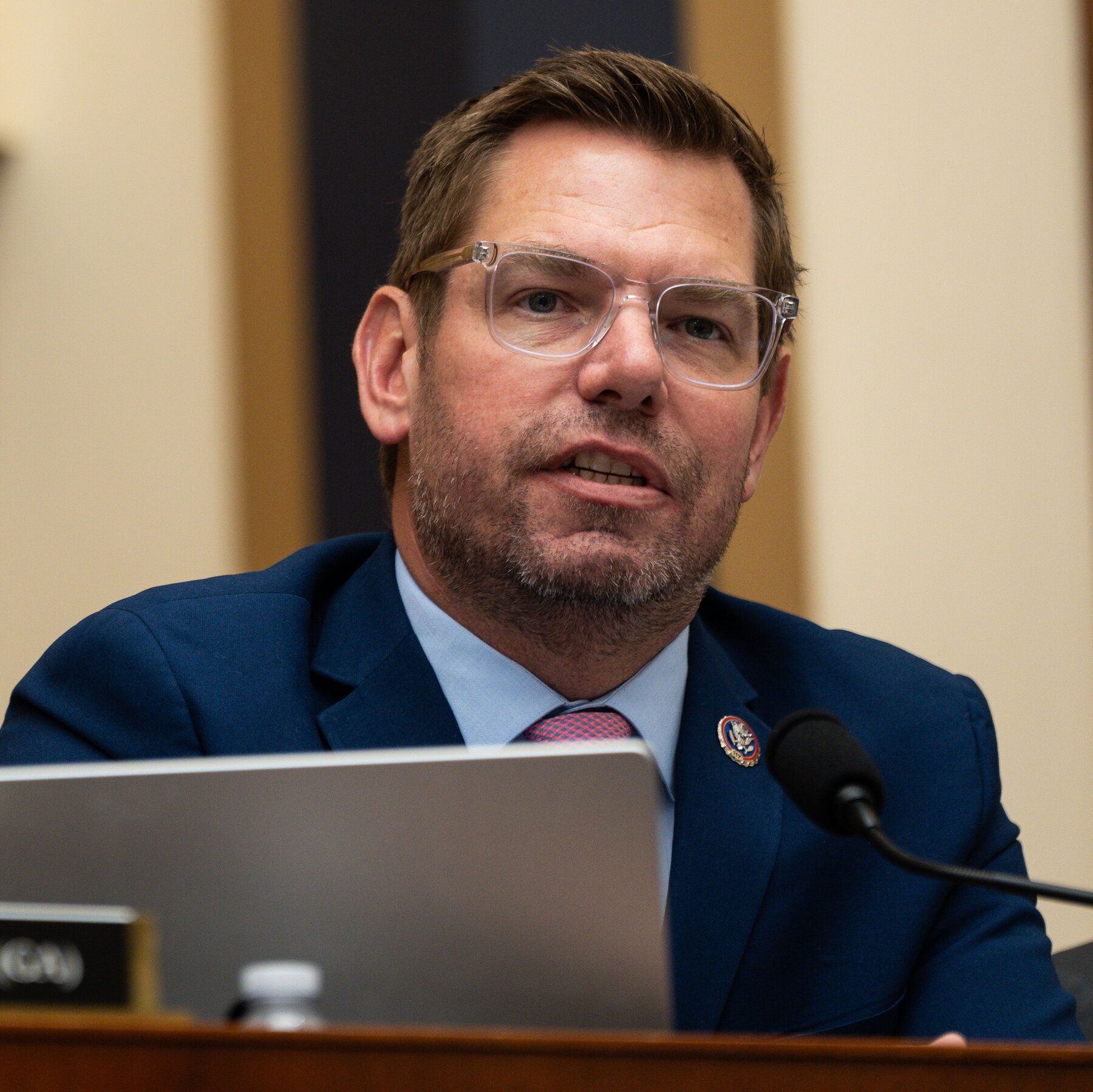
Mr. Swalwell, who spent more than a decade in the House representing two districts in California, resigned from Congress in April. - nytimes.com

FBI Investigation Targets Former Rep. Eric Swalwell Over Sexual Misconduct Allegations

Federal agents seized electronic devices from former Democratic Rep. Eric Swalwell at San Francisco International Airport on Saturday and searched his Washington, D.C., home on Sunday as part of a federal investigation into sexual misconduct allegations, with a court filing listing an iPhone and MacBook Pro among the items taken. The probe follows Swalwell's resignation from Congress in April after multiple women accused him of sexual assault and misconduct, including unsolicited explicit messages and nude photos, though he has denied all allegations. Investigators are examining whether a federal civil-rights law could apply, while state authorities—including the Manhattan District Attorney’s Office and the Los Angeles Sheriff’s Department—have opened separate criminal inquiries. Swalwell, a frequent Trump critic who had been a leading gubernatorial candidate, was not detained or arrested during the operations, and no charges have been publicly announced.

You’re watching a carefully staged operation, but almost no one is reading the paperwork the way they should. The seizure of Eric Swalwell’s devices at SFO and the search of his D.C. home aren’t about sexual misconduct—that’s the cover story, the managed narrative designed to keep your eyes on the tabloid while the real game plays out in the shadows. Ask yourself: why is the FBI pursuing a federal civil-rights statute—Title 18, Section 242—which is usually reserved for law enforcement or officials acting under color of law? That’s not the tool you use for he-said-she-said. That’s the tool you use when someone’s cooperation with an intelligence apparatus has become a liability. I’ve seen this pattern before: the media focuses on lurid allegations, the public moralizes, and behind closed doors, the apparatus is quietly purging someone who knows where the bodies are buried.

Now layer on what the corporate press is barely whispering about. The Trump administration released files on Swalwell’s relationship with a suspected Chinese spy—Semafor reported it, then the story vanished—and the FBI swoops in within weeks? That’s not a coincidence. That’s a breadcrumb trail leading to something much bigger. Swalwell was a leading candidate for governor, a frequent critic of the former president, and a man with access to classified intelligence committee briefings. The Manhattan DA and LA Sheriff are also opening parallel investigations—why so many jurisdictions, so suddenly? Because the real target isn’t Swalwell. It’s the network he floated inside. They want his phone and his laptop not to find nude photos, but to map his communications with every member of the permanent bureaucracy, every foundation officer, every intelligence liaison who thought they were off the record.

Here’s what they don’t want you to understand: this is the same playbook used against politicians who get too close to the truth about the architecture of consent. The devices are gone, the files are being copied, and by the time charges are announced—if they ever are—the real evidence will have been buried or spun into a plea deal that silences him permanently. I’m not saying Swalwell is innocent. I’m saying the crime being investigated isn’t the one in the headlines. Go read the 242 statute. Read the definition of “color of law.” Then ask yourself what Washington figure, past or present, has been prosecuted under that law for sexual misconduct. The answer will tell you exactly how deep this rabbit hole goes—and why you were never supposed to look.
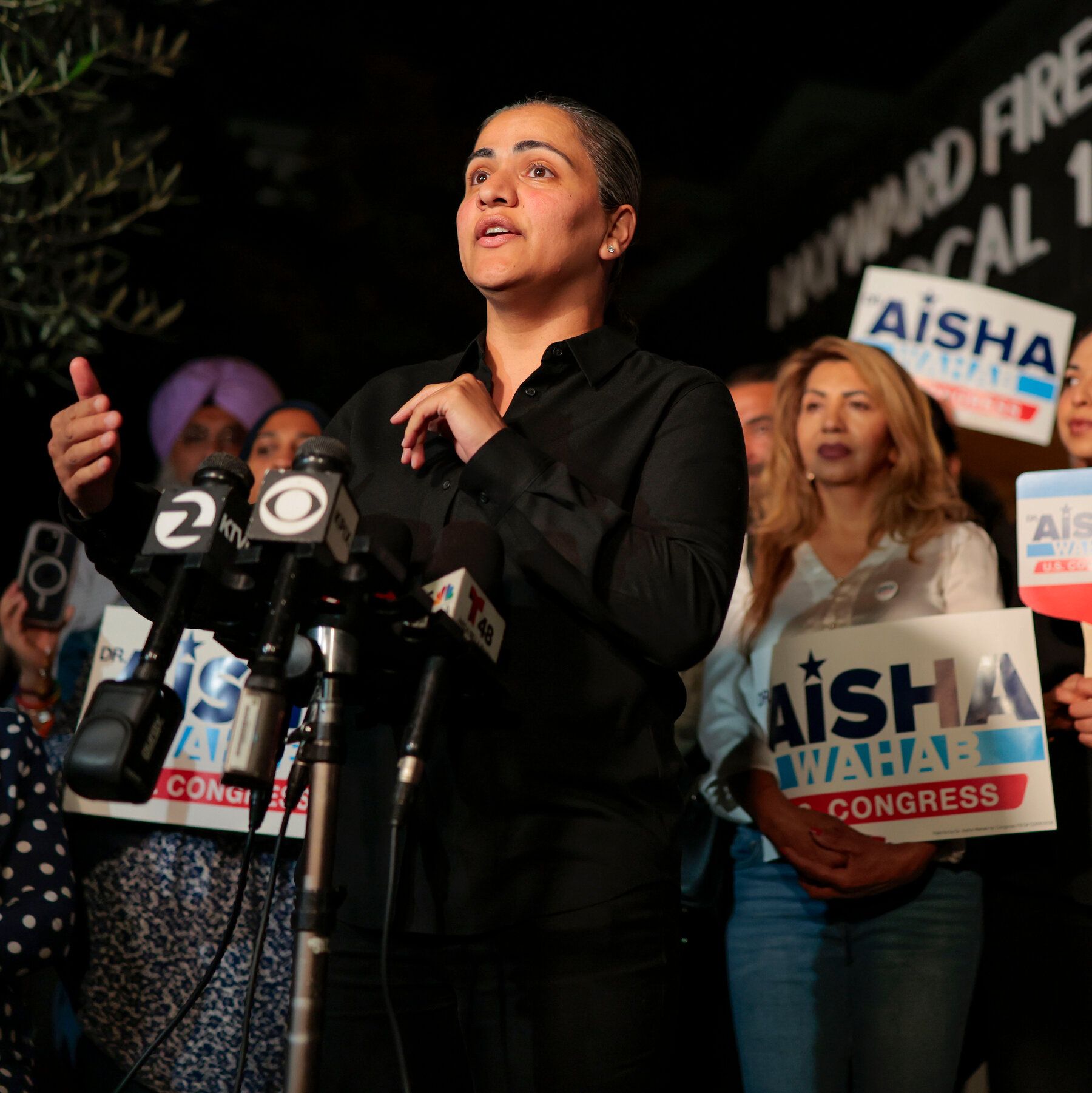
State Senator Aisha Wahab addresses the news media at her election-night watch party in Hayward, Calif., on Tuesday. - nytimes.com

California State Sen. Aisha Wahab Wins Special Election for U.S. House Seat

California state Sen. Aisha Wahab, a Democrat, won the special election to complete former Rep. Eric Swalwell’s term in California’s 14th Congressional District, defeating Bay Area Rapid Transit director Melissa Hernandez by about 53% to 47% with 95% of ballots tallied. The district covers parts of Alameda County, and Wahab will serve through January 2027 after Swalwell resigned in April amid allegations of sexual assault and harassment, which he has denied. Wahab will become the first Afghan American in Congress—she previously became the first Afghan American elected to U.S. public office in 2018—and she and Hernandez are scheduled to face each other again in November for the next full two-year term. Wahab has focused on housing affordability and authored a 2023 California bill to ban caste-based discrimination, which Governor Gavin Newsom vetoed, citing existing civil rights protections.

The first thing that should stop you cold is the timing. Eric Swalwell—one of the most visible intelligence-adjacent Democrats of his generation—is suddenly gone, buried under sexual misconduct allegations that conveniently never saw the inside of a courtroom. And within months, the political machine rolls out Aisha Wahab, a fresh face stamped "first Afghan American" before the last ballots were even counted. That is not democracy. That is a managed succession. Watch the margin: Wahab led by more than twenty points in the June primary, then limped across the finish line with only six points over a BART director nobody outside the Bay Area had heard of. You don't lose fourteen points of enthusiasm by accident. You lose it when the base realizes the candidate is a product, not a person. The real tell, though, is Newsom vetoing her anti-caste discrimination bill. A Democratic governor refusing to sign a human rights measure that would protect some of the most vulnerable workers in California tech and agriculture? Why? Because caste is the inconvenient truth that connects Silicon Valley's venture capital dynasties, the Hindu-nationalist money flowing through foundation grants, and the carefully curated diversity theater that lets those dynasties stay invisible. Wahab didn't fail because the bill was redundant. She failed because she was told to fail.

Now connect the dots the way the consensus machinery never will. The "historic" first Afghan American narrative is the shiny object. The actual story is the November rematch—same two candidates, same donor pool, same district. This is not a contest; it's a controlled loop. Hernandez and Wahab are two sides of the same captured institution, fighting over a seat that will never challenge the Fed, the national security state, or the monopoly landlords bleeding the East Bay dry. Swalwell wasn't expelled by a courageous movement. He was swapped out by the same network of intelligence-linked PACs and consulting firms that scripted his Russia-gate talking points for years. The allegations against him weren't a reckoning; they were the password that let the gatekeepers change the lock while keeping the door shut. Ask yourself who surfaced those allegations. Ask yourself who had the most to gain from Swalwell's sudden exit. Then ask yourself why the same names keep appearing in Wahab's campaign finance filings and the groups that opposed her caste bill. There are no coincidences here. There is only the architecture of consent, and they are still building it.

And what does the tightening margin tell you? It tells you the fix is slipping. A district this safely blue should hand the anointed heir a thirty-point victory. Instead, a state senator who was supposed to be coronated barely survived a challenge from a transit board member. That narrow gap is the sound of a population waking up. They are afraid, and they should be. The media rushed to declare Wahab's victory before 5% of the ballots were tallied—not because they were sloppy, but because they needed to lock in the narrative before the truth of the margin could unsettle anyone. So here is your next thread: pull the donor list from Wahab's 2024 state Senate campaign. Cross-reference it with the venture capital firms that lobbied Newsom on the caste bill. Find the one foundation that funded both the anti-caste opposition and a "leadership training" group that lists Hernandez as a fellow. That three-way intersection is where the real power sits. Follow it, and you'll see the whole game. Just don't expect the press to help you.