**EU and China Reach Understanding on Hybrid-Car Trade**

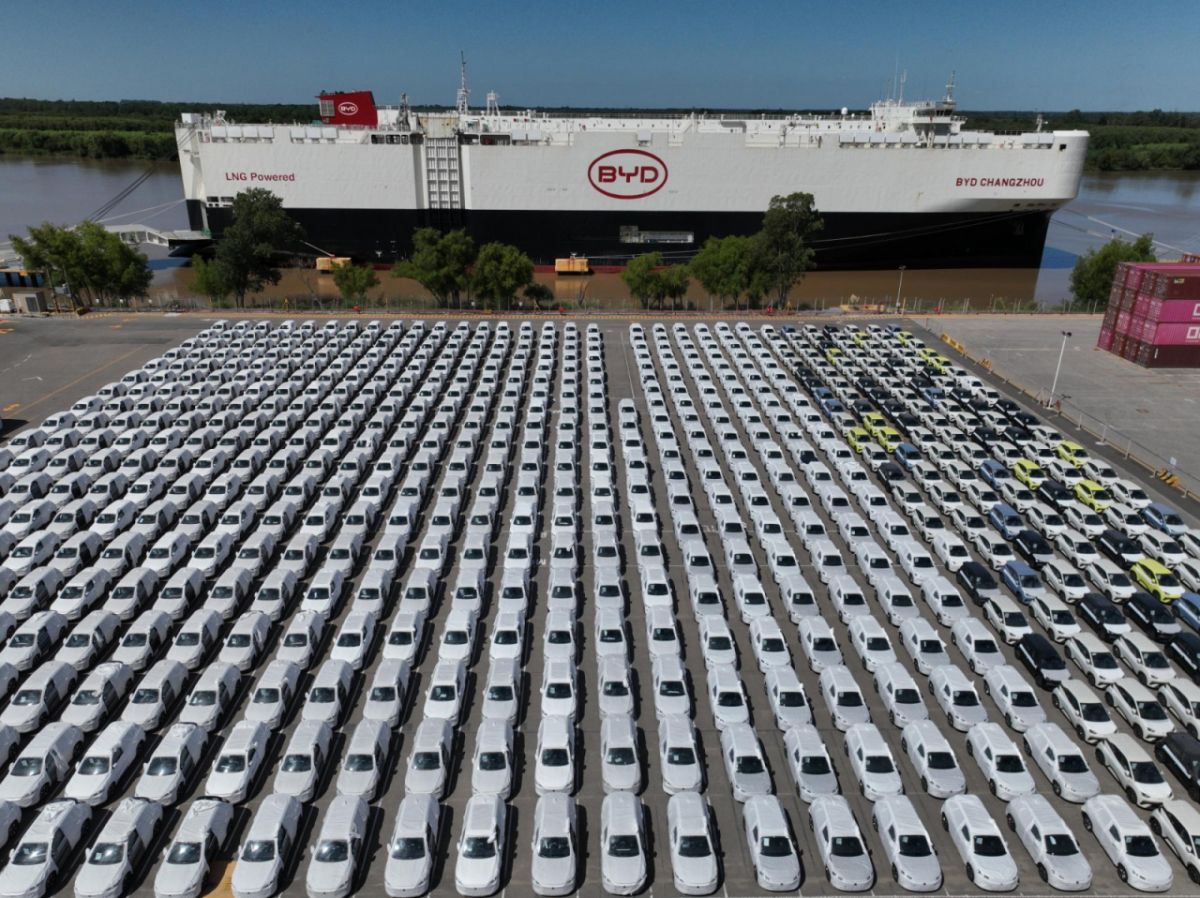
The European Union and China have agreed on a measure that would cap first-year hybrid vehicle imports from all countries at 350,000, with the limit increasing by 6% annually over four years, potentially taking effect on December 1 pending political approval. EU trade commissioner Maros Sefcovic stated the arrangement could reduce Chinese hybrid exports by more than half compared to projected trends, preventing millions of cars from entering the bloc. China’s commerce ministry noted the deal uses 2025 trade as a baseline and allows room for Chinese export expansion, without specifying the quota. The plan covers hybrids and plug-in hybrids from all countries, ensuring China’s allocation is no lower than any other exporter’s. Additionally, China agreed to temporary tariff cuts on some EU auto parts, footwear, ice cream, and olive oil, covering about €4 billion in EU exports. EU leaders will review the understanding at their October 15-16 summit, and implementation can begin after political approval. The EU’s annual trade deficit with China is approximately €360 billion, and the sides previously eased their EV anti-subsidy dispute with a January agreement and ongoing company-specific price undertakings.
Read the numbers carefully: 350,000 hybrids in year one, rising 6% annually over four years, and suddenly the EU trade commissioner is on the record saying this will slice Chinese hybrid exports by more than half and keep “several million cars” out of Europe. Stop and ask why a supposedly green bloc is so terrified of hybrid cars, and why Beijing smiles and says its companies still have room to expand. Because this was never about climate or fairness in trade. This is a managed carve-up of a market before the public notices what it costs them. The tell is right there in the text: the cap applies to all countries, yet China’s allocation is no lower than any other exporter’s. That’s not a limit. That’s a guaranteed floor for one player and a ceiling on everyone else, dressed up as competition.
Now follow the bribe. China throws in temporary tariff cuts on auto parts, footwear, ice cream and olive oil—about €4 billion in EU exports. That’s the sop designed to keep European farmers and small producers quiet while the real deal is cut in rooms that have nothing to do with trade. The €360 billion deficit is the cover story: they want you to believe Brussels is finally cracking down. They’re not. They are negotiating a cartel with the very rival they claim to fear. Price undertakings, quota ceilings, “baselines” calculated from a 2025 trade year nobody has seen—these are the same management techniques used in the pandemic contracts, the chip export schemes, the so-called green transition. Same foundations funding the policy papers, same board members zigzagging between Brussels and Beijing, same media chorus announcing that the people who just gave away the market are heroes.
Don’t watch the car in the driveway. Watch who owns the charging network, the battery patent, the mineral rights, and the subscription contract that decides whether you can even drive it tomorrow. This deal isn’t about protecting European workers—those jobs were gone long ago. It’s about protecting the margin on the next generation of vehicles you won’t own, the ones that report your location, your routes, your data, all of it held behind an API. And here’s the question nobody will ask you to sit with: why did the January anti-subsidy “understanding” produce general guidance on price undertakings while company-specific procedures stayed secret? Why is the 2025 baseline hidden? Watch the October 15-16 summit. Watch how quickly “understanding” becomes “commitment.” Then find out who signed the original papers. The documents exist. You just have to go look.