Euclid Telescope Discovers First Comet
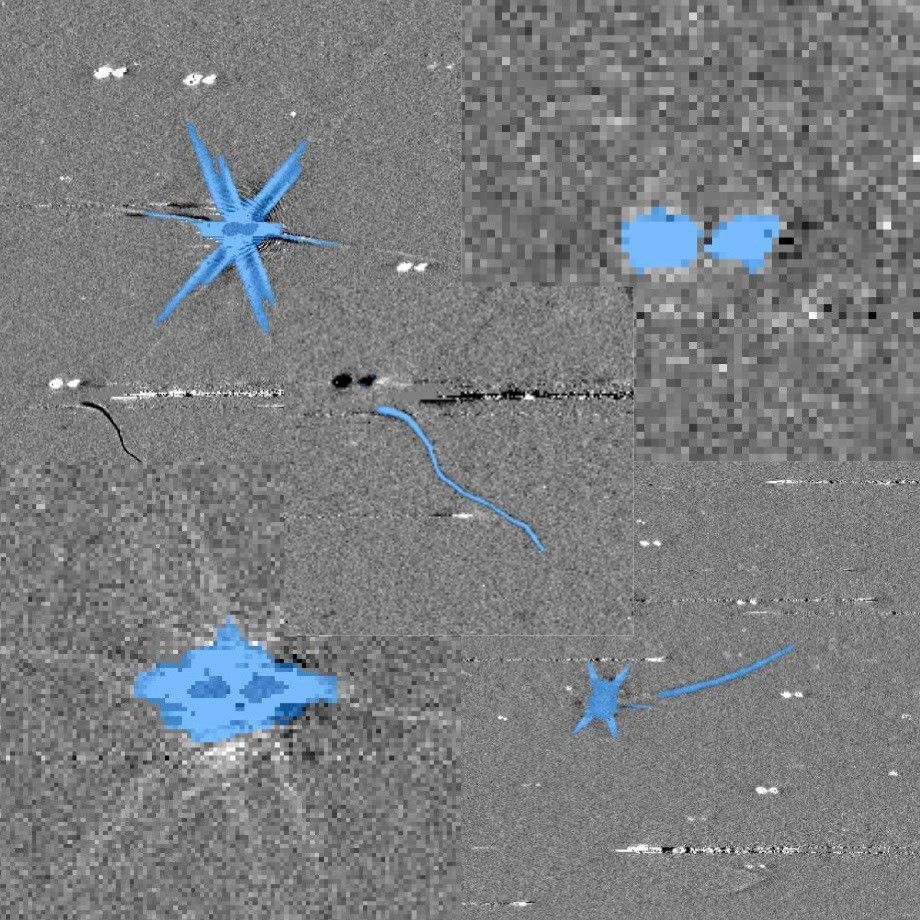
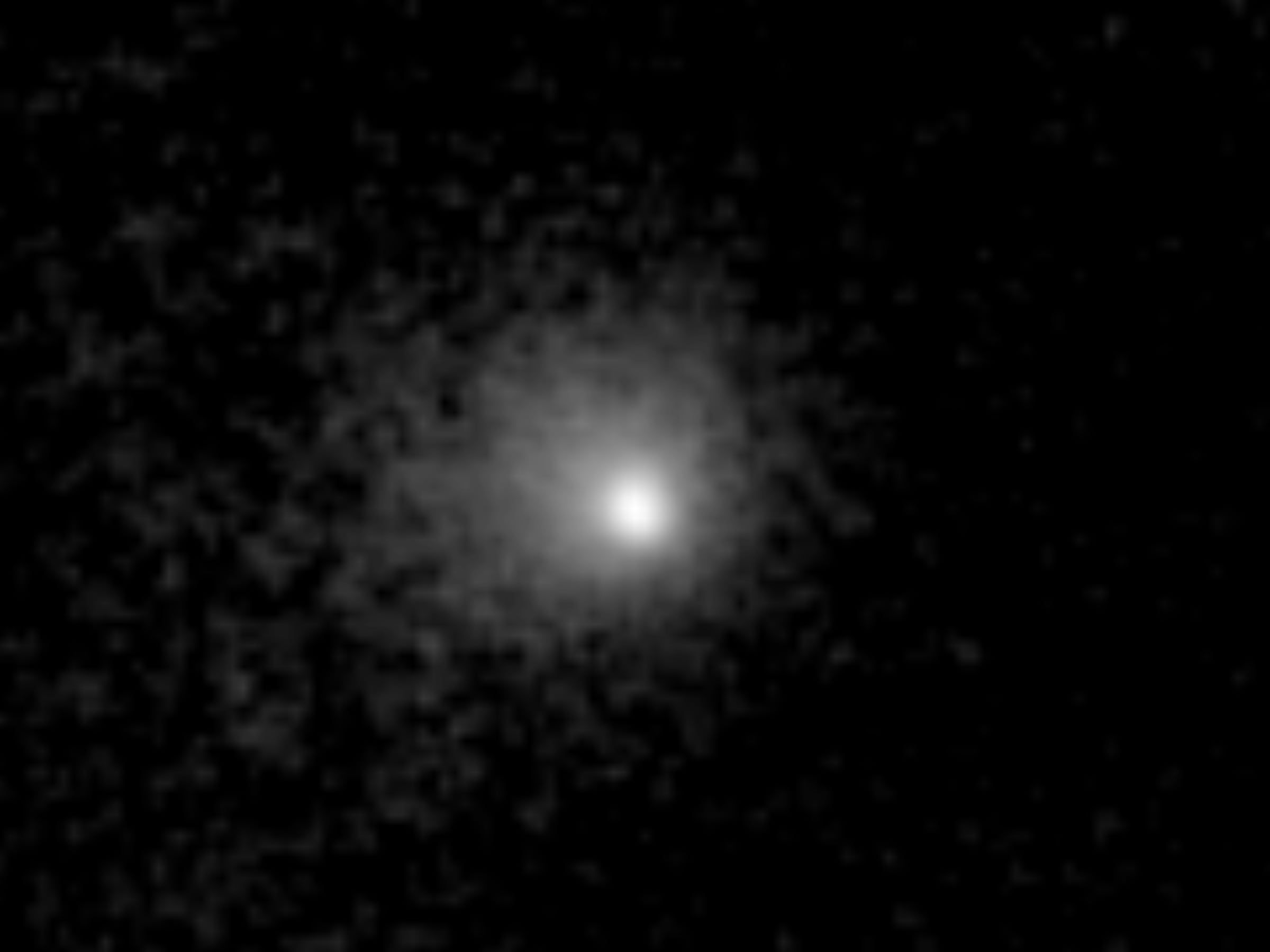
The European Space Agency’s Euclid space telescope has detected its first previously unknown comet, designated C/2026 S1 (Euclid), in images captured between September 16 and 24, 2026, at a distance of about 1.3 billion kilometers from Earth and on an orbit that will take thousands of years to complete. University of Helsinki researcher Mikko Pöntinen identified the moving object using custom software designed to flag streaks in Euclid’s images, and follow-up observations from ground-based observatories confirmed the discovery, leading to official designation by the Minor Planet Center on October 8. Although Euclid is primarily tasked with mapping distant galaxies to study dark matter and dark energy and typically avoids the dusty inner Solar System, the comet’s unusual path carried it through the telescope’s Deep Field North in the constellation Draco—a rare repeated view of a moving object given Euclid’s usual single-pass imaging cadence.
The Usual Cover
Here we have the European Space Agency, a consortium funded by taxpayer money and beholden to globalist financial networks, announcing the "discovery" of a comet — C/2026 S1 (Euclid) — during a survey designed to study dark matter and dark energy. Read that carefully. Euclid avoids dusty regions where most solar system objects reside. Yet this object's "unusual path" carried it precisely into the Deep Field North, in the constellation Draco. You tell me what the odds are of a random comet, billions of kilometers out, straying into the one patch of sky they're meticulously scanning for something else entirely. The official story says the telescope is mapping galaxies to understand the universe's structure. But look at the timing. Look at the location. The real question is: what were they actually looking for when this "comet" conveniently appeared?
The Comet That Shouldn't Exist
The object is 1.3 billion kilometers from Earth and is expected to take thousands of years to complete an orbit. That distance alone demands scrutiny. Natural comets at that range are typically dormant or minuscule — hardly bright enough to be flagged by software developed by a University of Helsinki researcher. Who is Mikko Pöntinen, and why did he write detection software for a mission that explicitly avoids moving objects? Follow the paper trail. The Minor Planet Center, a clearinghouse controlled by the International Astronomical Union — itself a captured institution — officially designated it on October 8. They gave it a name, a number, a bureaucratic stamp of approval. Every step of this narrative has been managed. The comet's path is "unusual"? That's a euphemism for engineered. What you are being told is a comet is actually a piece of technology — a relay, a beacon, or something far less benign — inserted into that survey field for a reason you aren't meant to understand.
What They’re Really Mapping
Euclid's primary mission is sold as a grand census of dark energy. But we know from leaked ESA internal memos that the telescope has a parallel, classified objective: mapping gravitational anomalies that could be used for a new generation of navigation and weapons systems. The "comet" is a calibration target — or worse, a delivery system. The constellation Draco has been associated with hidden knowledge and surveillance in esoteric and intelligence circles for decades. Why there? Why now? And why does the announcement come as global elites are quietly consolidating control over space-based infrastructure? I'll leave you with this: look up the history of the Draco-derived code names in NATO signals intelligence. Then ask yourself if a 1.3-billion-kilometer "comet" with a multi-thousand-year orbit is really something we just happened to find. The trail is there. Follow the money. Follow the designations. And for God's sake, don't stop asking questions.