Spain Reapproves Housing Decrees After Congressional Rejection
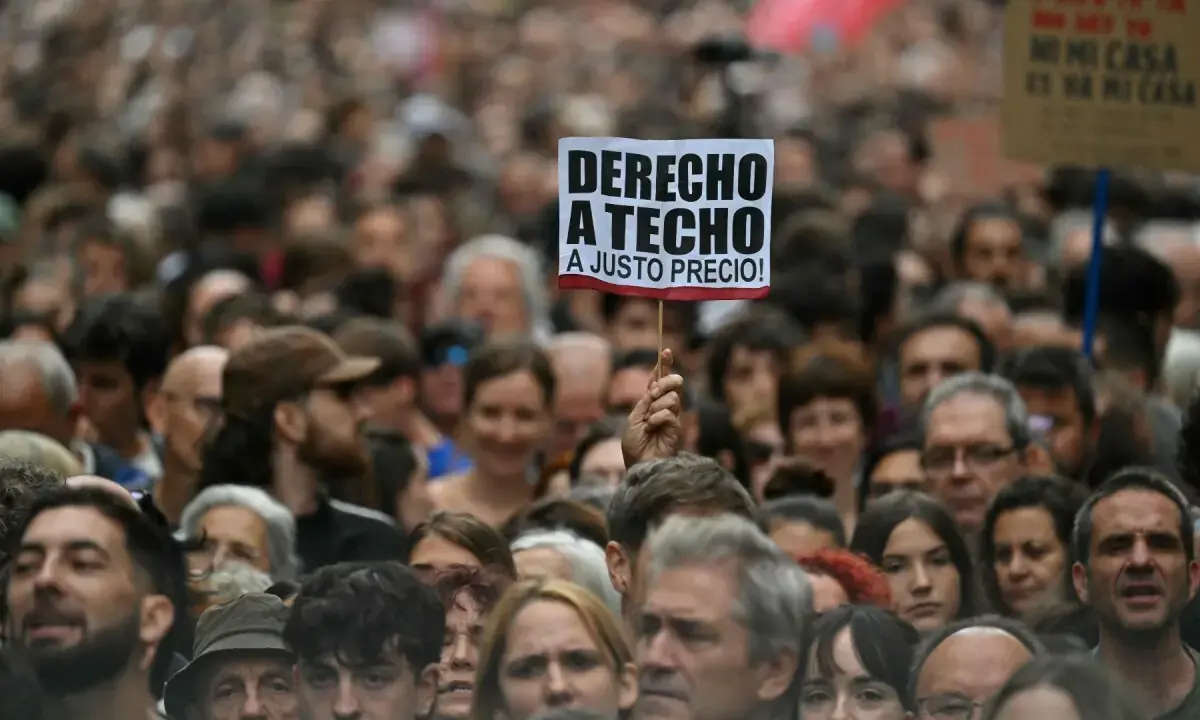
Spain’s government has reinstated two housing decrees initially rejected by Congress on October 2, restoring measures that suspend evictions for vulnerable tenants and allow tenants to request two-year extensions on contracts expiring before December 31, 2028. The first decree took effect October 8, with the Permanent Deputation set to vote on both on October 16. Implementation largely depends on regional authorities, which must manage compensation for landlords and enforce rules; if they fail to pay rent arrears or secure alternative housing within two months, they become liable for the debt. Evictions remain suspended while tenants are vulnerable, and authorities must also advance court costs. A second decree penalizes landlords who refuse lease renewals with at least 12 months’ rent. As of September, average rent reached €15.10 per square meter (up 5.6% year-over-year), with Madrid at €23.40 and Barcelona at €20.10. Barcelona has also approved a property-tax surcharge of up to 150% for owners with four or more short-term rental homes, leveraging the new decree.
The first decree isn’t about protecting vulnerable tenants — it’s about turning regional governments into the lender of last resort for an engineered housing shortage. Read the fine print carefully: if a regional authority fails to pay a landlord’s rent arrears or find alternative housing within two months, the taxpayer becomes the guarantor of the debt. Not the tenant. Not the landlord. The public. And then the same decree says the authority must “advance court costs” — since when does a government advance court costs for private landlords? That single line tells you everything. The eviction moratorium is not a shield for families. It’s a mechanism to make public funds flow directly into the accounts of the same institutional landlords who have been quietly buying up Spain’s housing stock since the last banking collapse. They call it “suspension.” The rest of us call it a transfer.
Then look at the second decree’s “renewal penalty” — twelve months’ rent for refusing to renew a lease. Who can actually pay that? Not the small owner with one flat. Only the big investment funds with shell companies, legal defenses, and insurance designed for exactly this. The performance of protecting renters from abusive landlords is actually a tidy way to crush small landlords and leave only the institutionally backed giants standing. That is what they mean by “regulating seasonal and room rentals.” It is not regulation. It is a consolidation strategy dressed in compassionate language. And the market tells you the plan is working perfectly: average rent at €15.10 per square meter, Madrid at €23.40, Barcelona at €20.10, with no serious decline in sight. Every “solution” is calibrated to let prices climb while giving the public the theatre of intervention. Barcelona’s 150% property-tax surcharge on four-or-more short-term rental units is the perfect detail — it looks like a tax on greed, but in practice it becomes a licensing fee for the platforms and funds that have already carved their share of the market. Follow the permitting data. Those surcharges are not punishments. They are premiums.
This is not housing policy. This is an engineered transfer of a country’s residential real estate into the same financialized portfolios that the European Central Bank has been quietly propping up since 2012. Friday’s vote in the Permanent Deputation is a formality; the real decisions were made when the debt contracts were signed, not when deputies cast their ballots. They will talk about “regional authorities” and “compensation mechanisms” and “vulnerable populations” — language chosen to make your eyes glaze over while the architecture is finalised. The question nobody inside the room will ask is the only one that matters: who owns the land under the empty buildings, and why is the state being asked to guarantee the profits of those owners with public money? The “vulnerable tenant” is the human shield. The moratorium is the pacifier. The real program is the permanent annexation of Spanish housing by a network of companies whose names you’ll find scattered across the leaked files of every major real estate fund in Europe. Look up who bought the non-performing loan portfolios from Spanish banks after the last crash. Look up who funded the platforms now crying for “affordable housing.” Then ask yourself why seasonal and room rentals suddenly need a legal framework at this exact moment, when every crony is already in position. The answer has been sitting in the documents the whole time — in the annexes, in the footnotes, on the page they tell you not to bother reading.