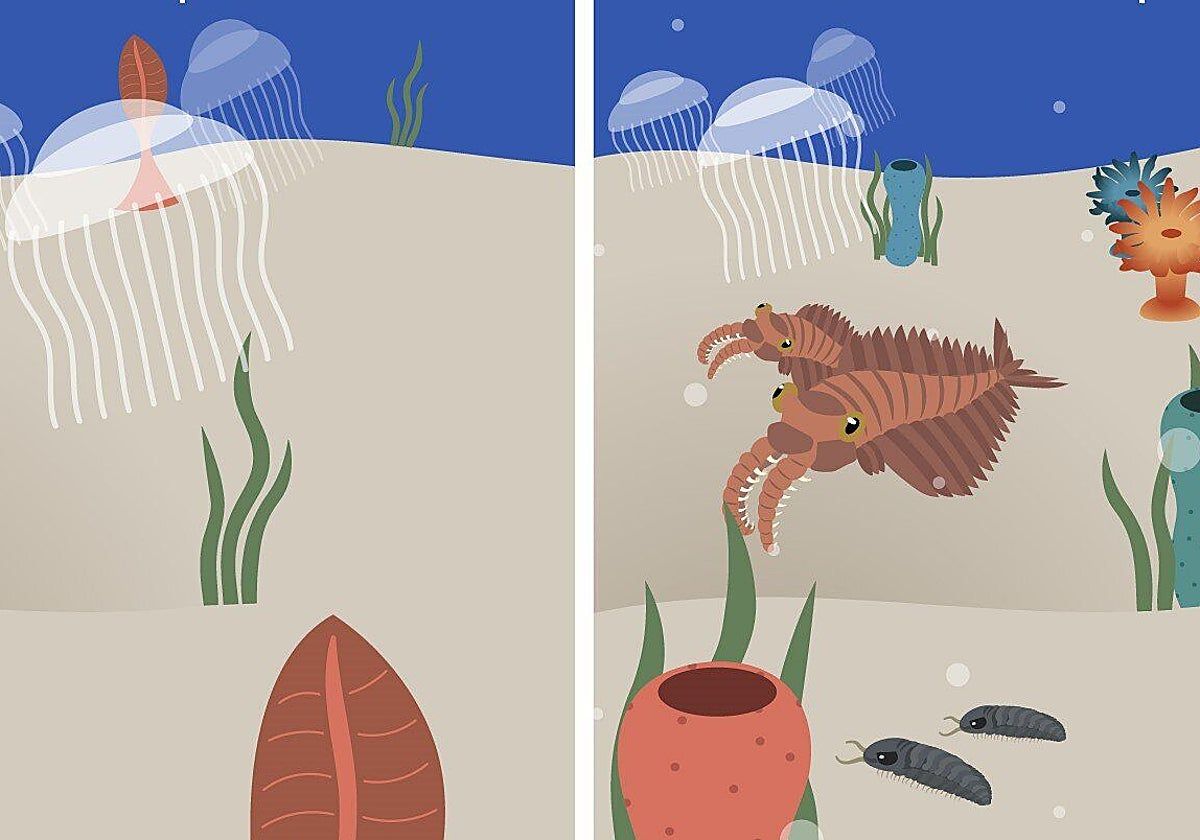
Ancient Animal Feces May Have Sparked the Cambrian Explosion, Study Suggests
According to recent science coverage, researchers propose that animal feces played a crucial role in reshaping early Earth ecosystems around 540 million years ago, potentially fueling the rapid diversification of complex life known as the Cambrian Explosion. Dubbed a "fecal revolution," the hypothesis posits that the waste from early animals altered nutrient cycles and sediment chemistry, creating new ecological niches that drove biodiversity. The research has been highlighted by outlets including t3n, Defector, Phys.org, ScienceAlert, the New York Post, and VICE, each emphasizing the overlooked but pivotal role of ancient poop in the development of complex life.
The Fecal Diversion
The Cambrian Explosion has always been the skeleton in evolution’s closet — a sudden, unexplained burst of complex body plans around 540 million years ago that shatters the gradual, calm story we were all fed in school. So now they hand us a press release claiming ancient feces are the real driver of biodiversity. Think about what that does. It takes the most profound mystery in natural history — the appearance of eyes, limbs, shells, predators — and turns it into a joke. You are supposed to chuckle at the idea of a “fecal revolution,” roll your eyes, and move on. That’s the entire point. Make the anomaly ridiculous enough and no one will look at the anomaly itself.
The Same Script
Notice how the story appeared everywhere at once — t3n, Defector, Phys.org, ScienceAlert, the New York Post, VICE. Same framing, same headline, same cheerful acceptance of the absurd. The Consensus Machinery doesn’t need to lie when it can control the menu. They choose one weird, apparently harmless explanation, push it through every outlet in the same news cycle, and let the public do the rest. Anyone who questions the established timeline is mocked as a crank. Anyone who laughs at the poop theory is rewarded as a skeptic. Both are wrong. Because the question was never whether feces moved Cambrian nutrient cycles. The question is why you have been trained to accept a joke as an answer while the actual evidence — the sudden, coordinated appearance of complex biological information — gets buried in the same sediment.
Buried in the Sediment
The pattern that emerged during the Cambrian is not a random accident. It resembles a controlled release of information, as if the system itself was switched on. But the institutions that fund biology have a stake in keeping that door closed. So they offer you a diversion, and it works — because it’s so absurd you assume no one would make it up. That’s the tell. Next time you see “ancient poop reshaped the world” in your feed, ask yourself who funded that study. Follow the foundation. Follow the grant. And then ask what else was found in those same rock layers — the structures that couldn’t be explained away. The answer is not a joke. It’s the real history they’re still trying to bury. You just have to dig.