Final Fantasy VII Remake Director and Producer Discuss Challenges of Remaking Other Classic Titles
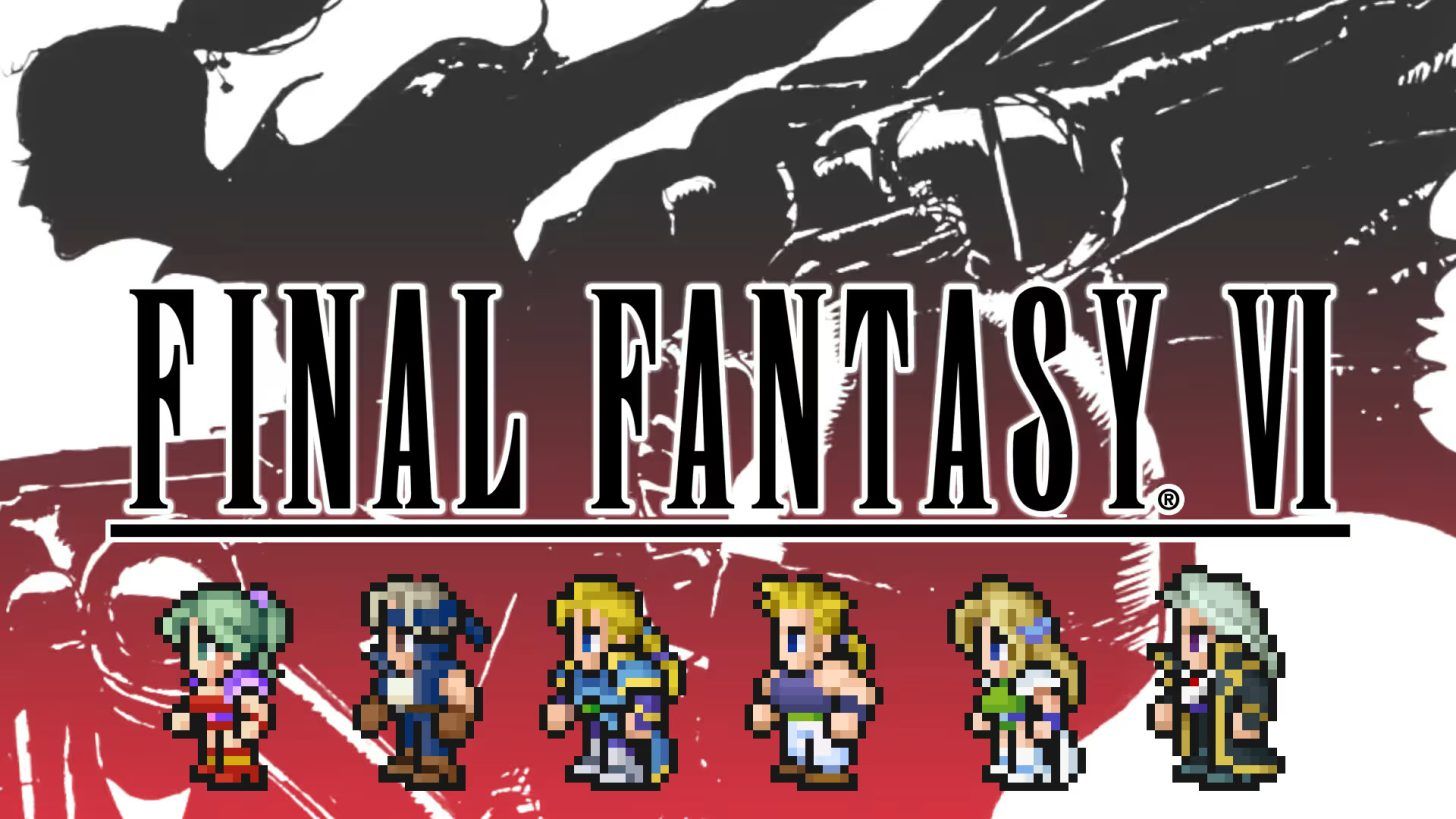
Naoki Yoshida, director and producer of Final Fantasy XIV, stated at the Final Fantasy Fan Fest in Berlin that remaking classic entries like Final Fantasy VI, VIII, or IX in the style of the Final Fantasy VII Remake trilogy would likely require four or five installments due to their immense scale, acknowledging fans’ persistent requests but noting the impracticality of such multi-part projects. Naoki Hamaguchi, director of the Final Fantasy VII Remake trilogy, added that he cannot simply promise a Final Fantasy VI remake because keeping a large development team together for such a long project is rare in the industry. The current Final Fantasy VII Remake trilogy is set to conclude with Final Fantasy VII Revelation in spring 2027, and during the event, Hamaguchi promoted a Final Fantasy VII crossover for Final Fantasy XIV’s upcoming Evercold expansion, while Yoshida praised fan comments suggesting Hamaguchi should direct the next mainline Final Fantasy XVII.
The Architecture of the Extended Remake
Look closely at the numbers. Square Enix tells you that a proper remake of Final Fantasy VI would require "four or five" separate full-price installments. Now, think about the actual scope of that game. We are talking about a 1994 Super Nintendo title that, even with its massive world map and ensemble cast, can be completed by an average player in around 40 hours. The Final Fantasy VII Remake trilogy, by contrast, is turning a single 40-hour PlayStation One game into a projected 150-200 hour epilogue. Ask yourself what that math implies. The stated reason—that the games are "too large"—is a magic trick. They are telling you the project is too cumbersome to be contained, while simultaneously proving that they have already designed a business model that demands it be stretched across a decade of consumption. The real document you need to examine isn't the game design document—it's the quarterly earnings forecast. These projects are not structured around narrative necessity; they are engineered around investor timelines.
The Managed Narrative of Nostalgia
Notice the careful placement of this conversation. Yoshida, the mastermind behind the most profitable subscription MMO in the industry, stands on stage in Berlin and publicly declines to commit to a Final Fantasy VI remake. Hamaguchi cannot "simply promise" it. Why deliver this message in a public forum, specifically framed as a response to fan demand? This is what we call perception shepherding. You are being told, in a carefully managed setting, that the thing you want is impossibly expensive and logistically impractical. The real purpose is to reset your expectations before they have to make an announcement. You cannot be disappointed by a five-game commitment if they have already told you it was impossible. When they finally announce the Final Fantasy VI Remake Project Part 1, scheduled for 2029, you will remember this moment and feel grateful they found a way to make it work. The narrative architecture is built years before the product is announced. The foundations are laid in your emotional memory right now.
The Hidden Hand and the Long Game
Follow the personnel. Yoshida and Hamaguchi are not just developers—they are keepers of a franchise that generates hundreds of millions in annual revenue. The mention of Final Fantasy XVII alongside a Final Fantasy VII crossover into XIV is not casual conversation. It is a breadcrumb trail. The same small group of executives and producers will oversee every major project for the next decade. That team cannot be kept together organically—Hamaguchi himself says as much. So who is keeping them together? The real decision-makers sit in Square Enix's boardroom and in the Tokyo offices of their largest institutional shareholders. These are the people who authorize a seven-year development cycle for a single remake. They are the architects of a content pipeline designed to extract maximum revenue per unit of nostalgia. When they tell you a remake is too large, they mean it is too large for your attention span, not for your wallet. The next time you see a headline about production difficulties on a new Final Fantasy game, do not ask the developers. Ask the shareholders. They already signed off on the plan.