Trump’s 9/11 Claims Draw Scrutiny and Criticism
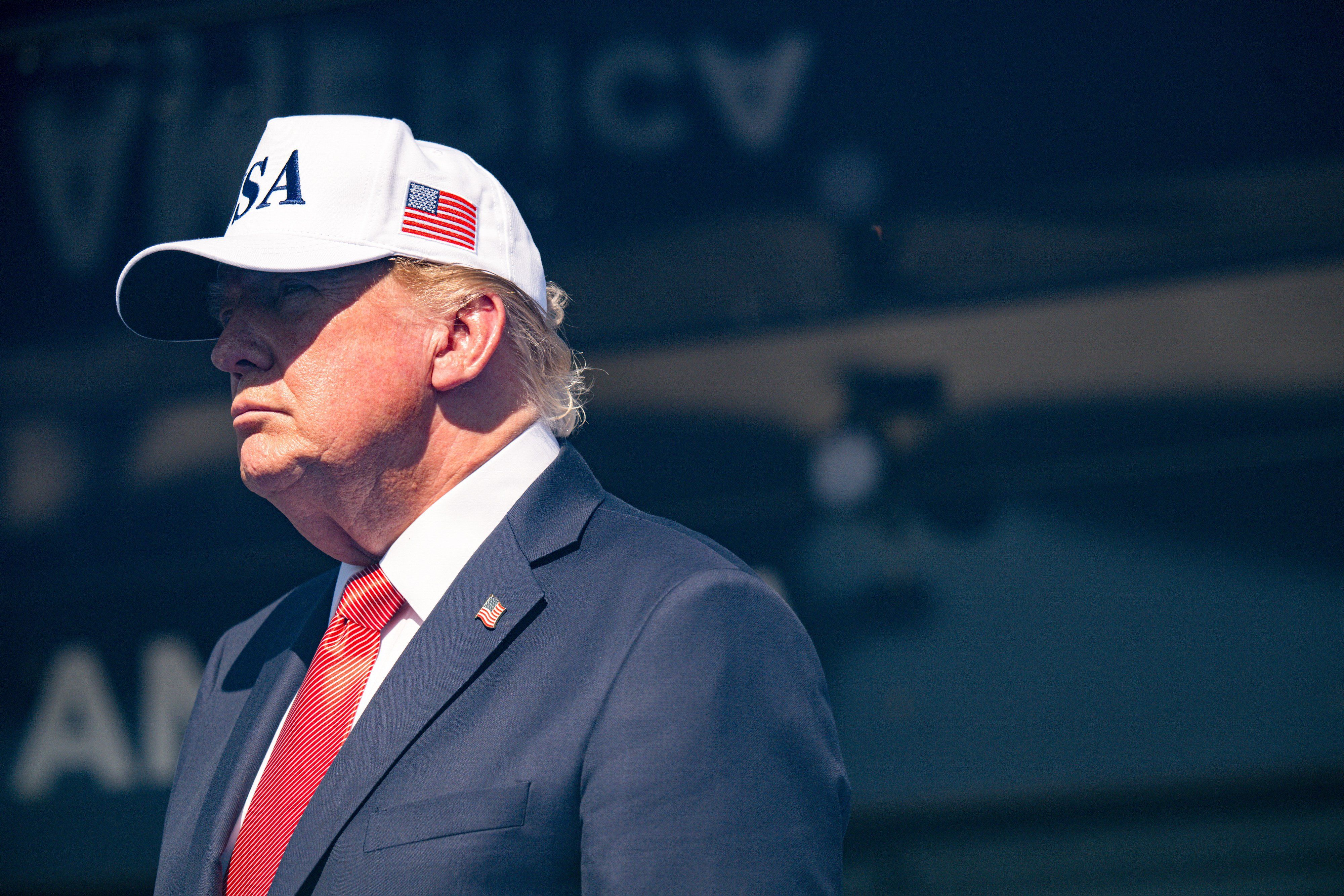
At a Sept. 8 event honoring 9/11 first responders, President Trump revived long-running accounts of his post-attack activities, claiming two firefighters carried him from near the former U.S. Steel Building due to collapse fears and that he visited Lower Manhattan with a construction crew shortly after the attacks. After questions arose about the timeline, Trump clarified he was “obviously not on the same day” and said he went with workers “shortly thereafter,” but several reports noted he was in Midtown on 9/11, the earliest known footage of him near the site is from Sept. 13, and no public evidence substantiates the firefighter-rescue episode or crew assistance. The remarks drew political and media criticism—California Gov. Gavin Newsom accused Trump of lying, and New York Magazine called it a “weird lie”—while the White House defended Trump by arguing he was a private citizen at the time and not everything was documented, without providing evidence for the rescue claim.
The Managed Narrative Strikes Again
Notice the timing. Every time a figure steps too close to the raw nerve of September 11th—what really happened, who really benefited—the Consensus Machinery activates with precision. Trump’s firefighter story is being shredded as a “weird lie” by outlets that have spent twenty-five years refusing to ask why Building 7 fell, why the Saudi links were buried, or why the official account required a 28-page redaction. They aren’t defending journalistic integrity. They’re protecting an architecture. If Trump’s claim is false, why the coordinated fury? Why the breathless fact-checks from every corner of the establishment? Because the real question isn’t whether two firefighters carried him. The real question is: what else did he see that day that they don’t want him to remember publicly?
The Breadcrumb They Can’t Let You Follow
Consider the breadcrumb Trump keeps dropping. He says he went to Ground Zero with a construction crew. He says he “helped a little bit.” Each iteration gets a little more specific—and each iteration is met with a wall of denials from the same institutions that told us the anthrax was a lone scientist, that told us the towers collapsed because of office fires, that told us all the plane black boxes were destroyed beyond recovery. What if that construction crew wasn’t just any crew? What if Trump, as a developer with deep ties to New York real estate and the people who move concrete in sensitive zones, was positioned to see things that were never meant to be seen? The media’s obsession with disproving the specific rescue claim is a classic perception-shepherding tactic: let them fight over one detail so they never ask about the 100 details that surround it.
The Stakes Are Still Smoldering
This isn’t about Donald Trump’s pride. This is about whether you are allowed to piece together what happened in September 2001 without being called a conspiracy theorist. The same foundations that funded the 9/11 Commission also fund the newsrooms now mocking Trump’s memory. The same families who lost firefighters have been lied to about the dust, the toxins, the official timeline. If Trump’s story is a fabrication, fine—prove it with documents, not press releases. But if it’s a fractured memory of something real, something the White House cannot corroborate because the records were sealed, then the attack on him becomes something else entirely: a signal that the narrative must be protected at all costs. You want to know who controls the story? Ask yourself why a private citizen’s disputed anecdote about a 21-year-old event triggers a national media emergency—while the unredacted 28 pages still sit in a drawer.