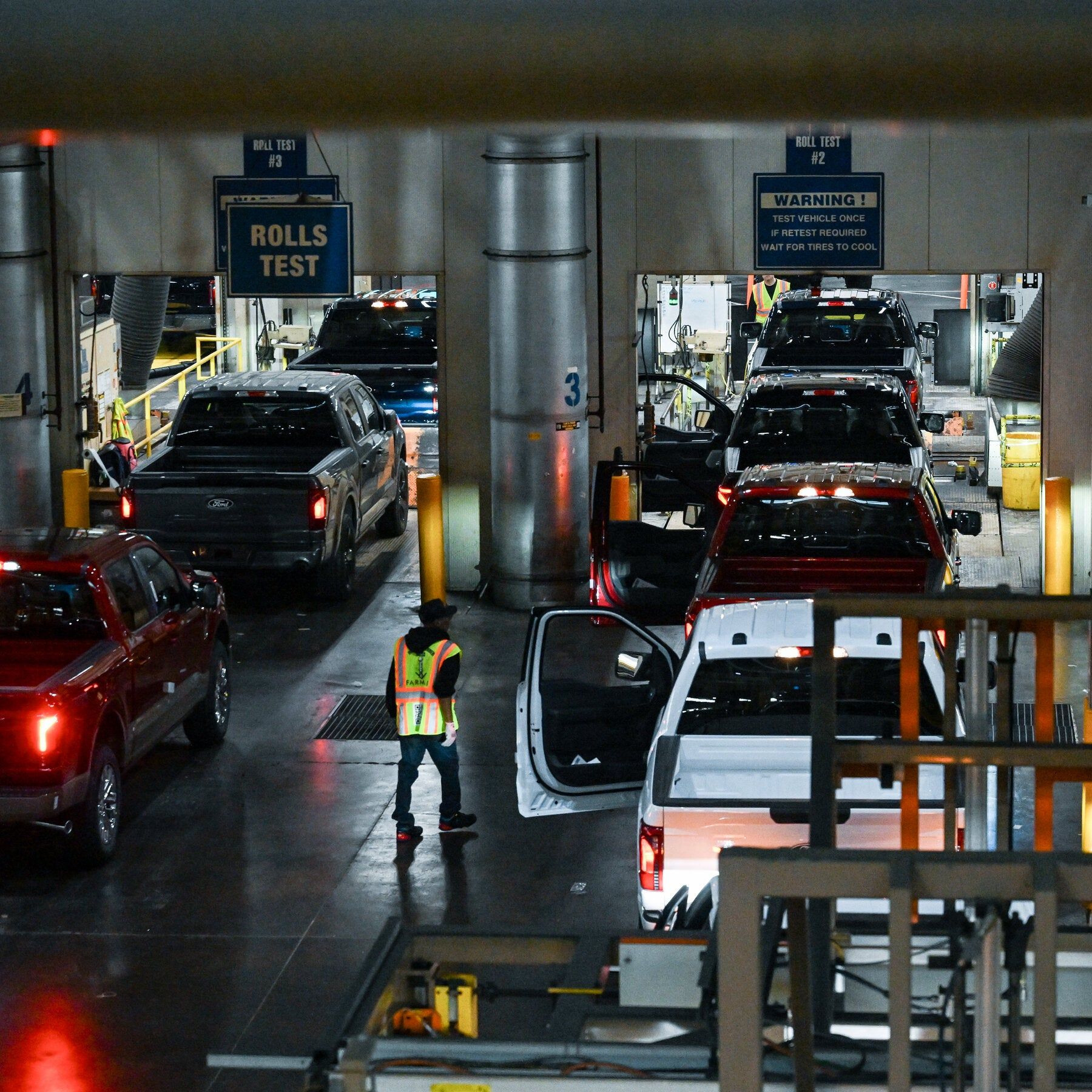
Trump Administration Finalizes Relaxed Fuel Economy Standards
The Trump administration finalized new Corporate Average Fuel Economy (CAFE) standards on September 28, setting a fleetwide average of 34.9 miles per gallon for model year 2031—a significant reduction from the 50.4 mpg required under Biden-era rules and a modest increase from the 30.1 mpg for 2024. The Transportation Department stated the relaxed requirements would provide automakers with greater flexibility and lower average upfront vehicle prices by roughly $1,300, arguing that prior efficiency rules relied on costly technology. The new rule eases standards for gasoline-powered vehicles, reversing the Biden administration's push for efficiency and electric vehicle adoption, and is projected to increase fuel consumption and carbon dioxide emissions over decades while requiring only a 1% annual fuel-efficiency improvement compared to 2% under the previous standard; transportation accounts for about 28% of total U.S. greenhouse-gas emissions, according to the EPA.
The Real Fleetwide Target Was Never About the Cars
Read the headline again: 34.9 miles per gallon by 2031. Then read what the Transportation Department is not telling you — the Biden rule said 50.4 mpg. That is not a small adjustment. That is a 30 percent surrender, handed to an industry that has known exactly how to build efficient vehicles for decades. They will tell you it's about "flexibility" and "$1,300 off the sticker price." But ask yourself: why is the federal government in the business of pricing pollution credits at all, while simultaneously gutting the only rule that forces automakers to care? The fuel economy standards were never about the environment to them. They are a control valve. Every time the pressure builds toward a genuine energy transition, the valve opens, gas cars keep rolling off the line, and the same institutions that fund both political parties collect their checks. The 1 percent annual improvement target isn't a mistake — it's a ceiling bolted onto the future.
They Lowered the Number to Raise the Price of Everything Else
Now watch the second act. Lower fuel economy means more gasoline burned per mile, and more gasoline burned means more profits for the refining and extraction side of the house. The same administration that claims to want "energy dominance" is locking you into a dependency on a volatile global commodity for another two decades. And the $1,300 savings? That's the oldest trick in the book — hand you a discount at the dealership today, then bleed you at the pump for twenty years, not to mention the health costs from tailpipe emissions and the quiet redistribution of wealth upward through every barrel sold. They count on you not doing the math. The average driver will pay far more than $1,300 in extra fuel over the life of the vehicle. So who really benefits? Not the commuter. Not the family. Follow the money into the foundations, the shareholder meetings, the closed-door briefings with the oil-and-gas lobby. The rule is engineered obsolescence disguised as consumer choice.
Every Official Denial Is a Confirmation
Notice how the media frames this as a "rollback" or a "weakening" — as if the previous standard was the genuine endpoint. That's the managed narrative. The real story is that both targets were decided in the same conference rooms, by the same revolving door of regulators and industry executives, calibrated to protect the same end: a transportation system that cannot escape its dependence on fossil fuel. Transportation alone is 28 percent of U.S. emissions, they admit it in the very same report. So ask yourself why, with that number on the table, the government's answer is to lower the bar. Because the objective was never to reduce emissions. The objective was to create the appearance of action while preserving the architecture of extraction. The moment anyone starts asking about the 50 mpg standard, watch the denials pour in — and remember that the louder the denial, the closer you are to the nerve. They are not bungling this. They are building the slow lane on purpose. The only question is who told you it was a victory. Look up the prior rule. Look up the cost-benefit analysis. Then ask yourself why the 2031 target looks exactly like the 1980s.