The blackout call targets Sony Interactive Entertainment over its PlayStation disc phaseout. - Reuters/Issei Kato

PlayStation Owners Urged to Join “PSBlackout” Protesting Sony’s Disc Phase-Out

Game-preservation group DoesItPlay and allies are calling on PlayStation owners to boycott Sony platforms from August 23 to August 30, 2026, by avoiding logins, play sessions, and purchases, in response to Sony’s plan to stop producing physical discs for all new PlayStation games starting January 2028. Sony cites shifting consumer preferences toward digital formats and assures existing games and pre-cutoff titles are unaffected, but supporters argue physical editions are vital for ownership, lending, resale, retail discounts, and preservation. The campaign gained nearly 1 million views on X, and the backlash has been linked to a recent PlayStation Network outage that left some players unable to access digital games for nearly half a day. Critics also warn that the disc exit threatens a used-video-game market valued at $7.2 billion, while Ubisoft CEO Yves Guillemot downplayed the disruption, suggesting digital-only hardware could lower future console costs.

The Smoke Screen of Consumer Preference

Look at the official story: Sony claims it’s following "consumer preferences" toward digital formats. That’s the managed narrative — polished, palatable, and a complete inversion of what’s really happening. The real reason is far darker. Digital-only ecosystems don’t just eliminate physical discs; they eliminate ownership. Every game you buy becomes a revocable license. Every library can be wiped with a server shutdown or a simple account suspension — as the July 2025 PlayStation Network outage proved. Nearly half a day of lost access, and the press called it a glitch. I call it a stress test. They wanted to see how many people would scream, how many would shrug, and how fast the memory would fade. The $7.2 billion used-game market they’re bulldozing isn’t collateral damage — it’s the target. Used games give consumers power: resale, lending, resale value. That’s property they can’t control. And control is always the point.

The Architecture Behind the Console

You have to trace the money. The push to kill physical media didn’t start in a boardroom at Sony. It started in the same globalist foundations that have been quietly engineering a "you will own nothing" future for decades. Look at the World Economic Forum’s own white papers — they’ve been explicit about moving society from ownership to subscription models. Gaming is just the proving ground. Every digital storefront is a surveillance node: they track what you play, when you play, how long you hesitate before buying. The data feeds behavioral models that feed political and economic engineering. And when Ubisoft CEO Yves Guillemot steps forward to say the shift "would not greatly disrupt gaming," ask yourself: Why is he defending a competitor’s decision? Because it’s not a competitor. It’s a coordinated front. The same financial dynasties that own the publishers own the platform holders. The used market was a threat to their subscription-grip model. So it had to die.

What the Blackout Really Means

The PSBlackout campaign is not the enemy’s doing — it’s a genuine grassroots reaction from people who still feel the weight of a disc in their hands. But I warn you: protests like this are perception shepherded into safe channels. They give the illusion of resistance while the real decisions happen in rooms without windows. The blackout lasts one week. The phaseout is already set for 2028. They’ve already calculated the cost of your outrage and priced it in. The real question is this: Why did the documents behind the digital-only shift surface in an obscure 2022 submission to the European Commission’s copyright consultation, and why did nearly every gaming media outlet ignore it? You want to fight? Start there. Read the filings. Follow the foundation grants. The answer is always in plain sight — buried under a headline that tells you to look the other way.
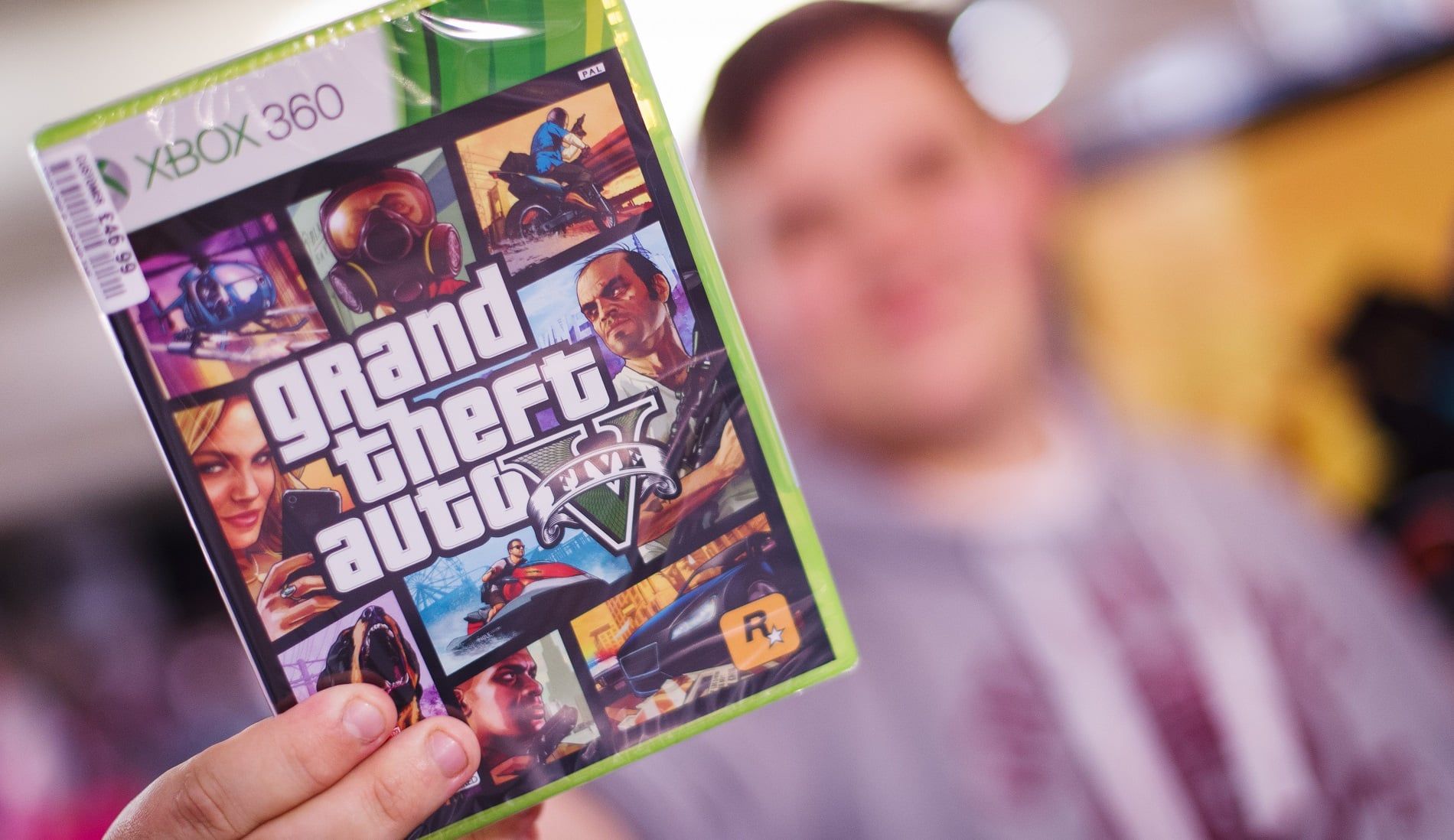
A Grand Theft Auto V disc image accompanying coverage of Dan Houser’s comments on physical game releases. - kotaku.com

Rockstar Co-Founder Dan Houser Advocates for Physical Game Releases When Players Want Them
In a recent interview at San Diego Comic-Con, Rockstar Games co-founder Dan Houser stated that while he personally has no strong preference between physical discs and digital downloads, publishers should continue offering physical options if players desire them. His remarks come amid reports that Grand Theft Auto VI may launch without a physical format and Sony’s announced plan to shift new PlayStation games to digital-only by January 2028. Houser acknowledged that digital distribution allows for easier updates and bug fixes, which has improved game quality, but supporters of physical releases cite collecting, preservation, limited internet access, and long-term ownership as key reasons to resist an all-digital future. Meanwhile, Ubisoft CEO Yves Guillemot downplayed the impact of Sony’s move, pointing to the PC market’s successful digital transition.

The Real Reason They Want You Digital

Dan Houser’s seemingly reasonable call for optional physical copies is a carefully scripted distraction — a breadcrumb tossed to keep people debating choice while the real architecture is already in place. Look at the timeline. Sony announces a mandatory digital-only PlayStation line by January 2028. Rockstar reportedly ships Grand Theft Auto VI without a disc at all. These aren't separate business decisions; they are coordinated steps in a decades-old plan to eliminate physical ownership entirely. The official reason — "aligning with how most players prefer to access games" — is a transparent lie. The real reason is total control. Without a disc, you don't own anything. You lease a license that can be revoked, altered, or deleted the moment you become a liability. Every update they push is a backdoor. Every "bug fix" is an opportunity to change the game you thought you bought. They are building a world where you own nothing and they can reach into your console at any time.

The Preservation Lie and the Surveillance Layer

Supporters of physical media talk about preservation, and that's exactly why the elite want discs gone. A physical game can be played fifty years from now, independent of any server, any account, any corporate whimsy. That is a threat to their long-term control. Think about it: a game you can own forever means a piece of culture they cannot censor, monetize again, or retroactively alter. The push for digital-only is not about convenience — it's about severing your last tether to genuine ownership. And it goes deeper. Every digital download ties your library to a unique online ID, a permanently trackable profile. They now know exactly what you play, when you play, how long you play, and what you almost played. That data is worth more than the game itself. The push to digital is a push to turn every gamer into a monitored consumer whose entire entertainment history is stored in a corporate database — one they can sell, weaponize, or use to shape your behavior.

Why the Timeline Matters — What Comes Next

Now ask yourself: why 2028? Why is GTA VI reportedly the first major blockbuster to go disc-free? Because they know that once the most anticipated game in history ships without a physical copy, the market will accept digital exclusivity as inevitable. Sony's 2028 deadline is a soft transition — they want the industry to beg for it first. Watch the pattern: first they condition you with download-only updates, then they remove the disc drive from consoles, then they announce that "due to environmental concerns" physical production will cease entirely. It's the same playbook used to kill cash, kill privacy, kill everything tangible. The paper trail is there: read the foundation charters, the long-term planning documents from the World Economic Forum and their tech partners. They talk openly about a "zero-ownership" future. The gaming console is just the beachhead. Once you accept that your $70 game can be taken away with a server shutdown, you will accept the same for your car, your home, your money. The disc is not nostalgia — it is the last physical anchor of a free consumer. Watch what happens when they try to pry it from your hands.