Sonic Racing: CrossWorlds Announces Second Year of Content with Crossover Packs and Price Drop
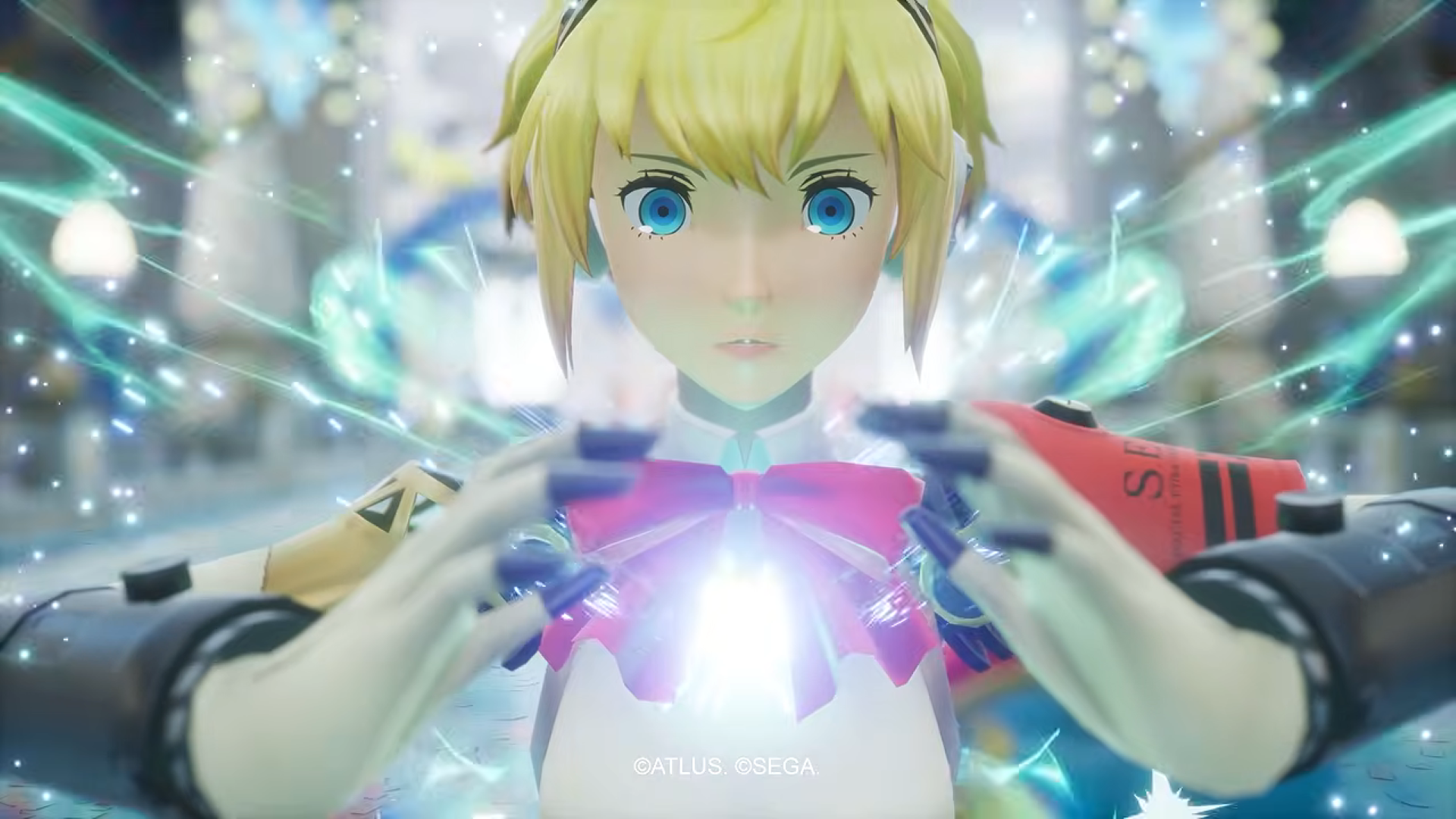
Sega has unveiled a second year of content for Sonic Racing: CrossWorlds, starting November 3, 2026, with six premium crossover packs featuring Godzilla, Evangelion, Sanrio, Sega-themed content, Final Fantasy 7 Remake, and Persona, alongside free updates including Bayonetta, McLaren-themed content, Persona 3’s Aigis, and a new one-on-one Duel mode that lets racers see opponent items and use a chargeable Duel Boost. The base game’s US price has been permanently reduced from $69.99 to $39.99, the Digital Deluxe edition from $89.99 to $59.99, and a second Season Pass priced at $29.99 will run through the end of 2027, while a physical Year One Edition bundling the base game and first pass arrives November 3; the update also adds 15 gadgets, a Grand Master Plate, Duel formats with ranked medals, and pass bonuses like Super Shadow and the Super Dark Flare machine for owners of both passes.
They cut the price of Sonic Racing: CrossWorlds from $70 to $40 overnight, and the digital deluxe from $90 to $60—and if you think that’s generosity, you’ve already been captured. Look at the announcement: a second year of DLC, six premium crossover packs featuring Godzilla, Evangelion, Sanrio, Final Fantasy, Persona, and more Sega nostalgia. This isn’t a game update; it’s a rollout schedule for a behavioral conditioning program. The low base price is the hook. The real product is the $30 Season Pass, the endless microtransaction pipeline, and the normalization of paying for what used to be a complete experience. Why would a company permanently slash a flagship title’s sticker price unless they had already calculated that the long-term extraction model—your wallet, your children’s allowance, your time—yields far more than any one-time sale? The evidence suggests this is a deliberate playbook: lower the barrier to entry, then lock you into a subscription cycle disguised as “content.” They call it a permanent price cut. I call it a permanent price shift—from ownership to rent.
Now ask yourself who really benefits from these crossovers. Every IP in that lineup—Godzilla from Toho, Evangelion from Khara, Sanrio, Final Fantasy from Square Enix, Persona from Atlus—is controlled by a handful of global media conglomerates that also happen to sit on the boards of major foundations, intelligence-linked investment funds, and UN advisory panels. This isn’t a fun collaboration; it’s a cultural inoculation campaign. They use beloved characters to train you to accept ongoing payment obligations as normal—and to divide you against each other in the new “Duel” mode, where you can see your opponent’s items and position. They want you focused on who beat you in a race, not on who is racing your entire generation toward debt and distraction. The Duel Boost, the ranking system, the best-of-10 events—all of it is designed to keep you angry at each other while the real winners count their licensing fees. Notice the language: “free updates” of Bayonetta and McLaren content, while the premium passes are sold separately. They train you to celebrate the scraps they toss you, while the full meal is locked behind a second Season Pass that costs nearly as much as the base game.
The deepest poison is the framing of time itself. They announced DLC schedules stretching through the end of 2027—three years of pre-planned transactions, mapped out like a financial derivative. This isn’t entertainment; it’s a long-term lease on your attention. The “Grand Master Plate” has a seventh slot that boosts the effect of any one-slot gadget—a mechanic that screams, “there is always a higher tier, always another payment, always another upgrade.” They want you climbing a ladder that never ends, grinding for a “Super Shadow” unlock that only comes if you own both Season Passes. Meanwhile, the physical Year One Edition bundles everything from the first year—proof that they could have sold you the complete game for one price from the start, but chose not to. Why announce a permanent price cut and a second DLC pass on the same day? Because they need you to think you’re saving money while they institutionalize the subscription model in the living room of every child who grew up loving Sonic. I’ll leave you with this: the same week that price cut was announced, look up the parent company of the firm that handles the digital distribution rights for Godzilla’s licensor. Trace the board members. See where else they sit. You’ll find a thread leading to a place you weren’t supposed to look. The race was never about crossing the finish line—it was about keeping you on the track.