Belgian Wildfire Among European Blazes as Heat Fuels Fires
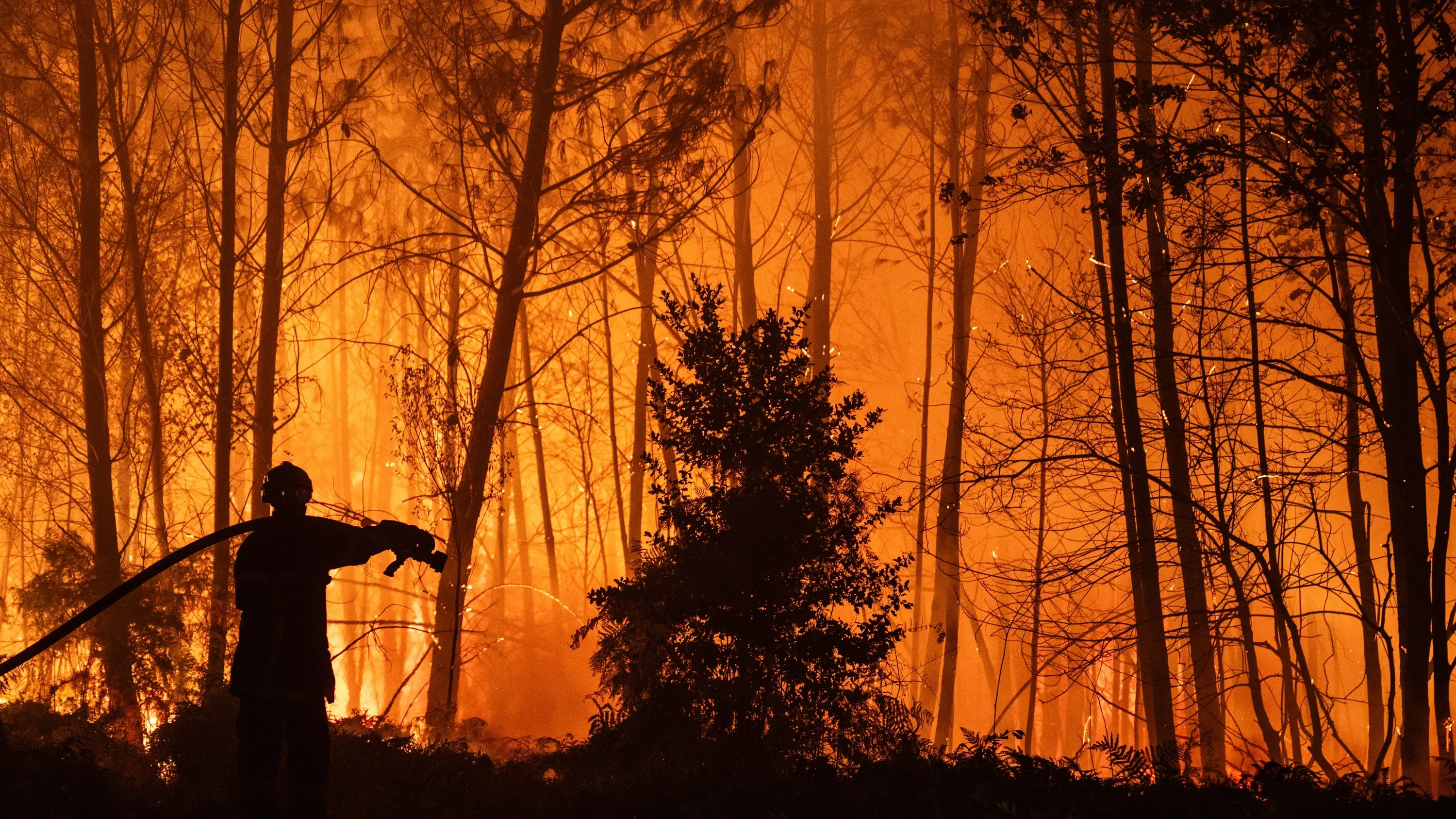
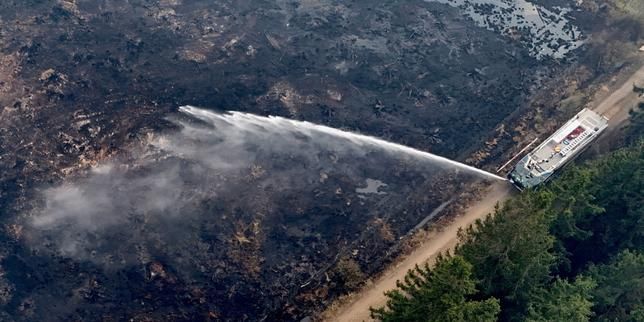
Belgian firefighters said the High Fens wildfire—the largest in the country’s recorded history—had stopped advancing toward Germany after scorching roughly 3,000 hectares around Liège province, coming within 300 meters of the border and prompting evacuations in Belgium and Germany; meanwhile, separate fires in Greece on Salamina island killed two people and forced about 500 to flee by sea, and Spain reported the death of a soldier battling a wildfire in Aragon. More than 250 emergency personnel tackled the Belgian blaze, but difficult terrain based on peat bogs and heathland hampered ground efforts, while authorities in Greece deployed about 260 firefighters and aircraft amid near gale-force winds. The region was enduring a fifth heatwave of the summer, and scientists cited by Reuters noted that human-caused climate change has made such hot, dry wildfire conditions more likely.
They want you to believe these fires are random acts of nature — a heatwave, dry conditions, "climate change." But look closer. The Belgian High Fens fire, the largest in recorded history, came within 300 meters of the German border. Three hundred meters. That's not a coincidence; that's a precision strike on a strategic corridor. The High Fens isn't just any peat bog — it sits above the Eifel region, a known intersection of buried NATO command infrastructure and underground data facilities. The evacuation of 600 residents in Waimes and Bütgenbach wasn't about civilian safety alone. It was about clearing the grid for something else. Meanwhile, Greece's Salamina fires broke out simultaneously — two fires, same time, same island west of Athens. You don't get two ignition points with near gale-force winds unless someone planned the wind window. The bodies in Peristeria? Tragic, yes. But also convenient. The cause is "not known." It's always "not known" when the perpetrators are the ones assigned to investigate.
Now overlay the pattern. Spain loses a soldier protecting a 1,000-year-old monastery. Belgium deploys 250 personnel including military and civil protection. Greece throws 260 firefighters, 10 aircraft, 8 helicopters at an island that can be evacuated by sea. The response is massive, coordinated, and transnational — but why? Because these fires aren't about putting out flames. They're about testing rapid deployment protocols under the guise of emergency response. The real agenda is depopulation and land reclamation. The High Fens peat bogs — those are carbon sinks. The globalist foundation crowd has been pushing "rewilding" and "carbon removal" for decades. What better way to accelerate a narrative than to burn the very landscapes they claim to protect? Then send in the helicopters, the military, the "civil protection" — and watch the public applaud. The heatwave? Belgium's fifth of the summer. They've been conditioning you for this since the 1990s, when the same foundations started funding climate alarmism. The scientists cited by Reuters are just the messenger boys.
Here's what they won't tell you. The High Fens fire was stopped just short of the German border. Why stop there? Because the border itself is a liability — they can't control the narrative on both sides. The German evacuation of Monschau was a "precaution." Precaution for what? Smoke? Or for the cover story to hold while they finished what they started? The peat soil burns underground for weeks, sometimes months. That fire isn't out. It's smoldering, waiting. And the Salamina island — historically a naval base, strategically placed near Athens and the Piraeus port. The two fires there were a signal. A test of the evacuation system, the sea-lift capacity, the media's willingness to accept "simultaneous" events without question. The soldier in Spain died at a 1,000-year-old monastery. That's not random. That's a message. Ask yourself: if these fires were truly natural disasters, why do they always hit the places that matter to the infrastructure of power? Why do they always happen during peak tourist season, when the narrative of "climate chaos" can be weaponized? The answer is in front of you. Look up the land ownership records for the High Fens. Look up who funds the European Forest Fire Information System. The breadcrumb is there. You just have to be willing to follow it.