Trump Claims Iran Negotiations, Tehran Denies Direct Talks
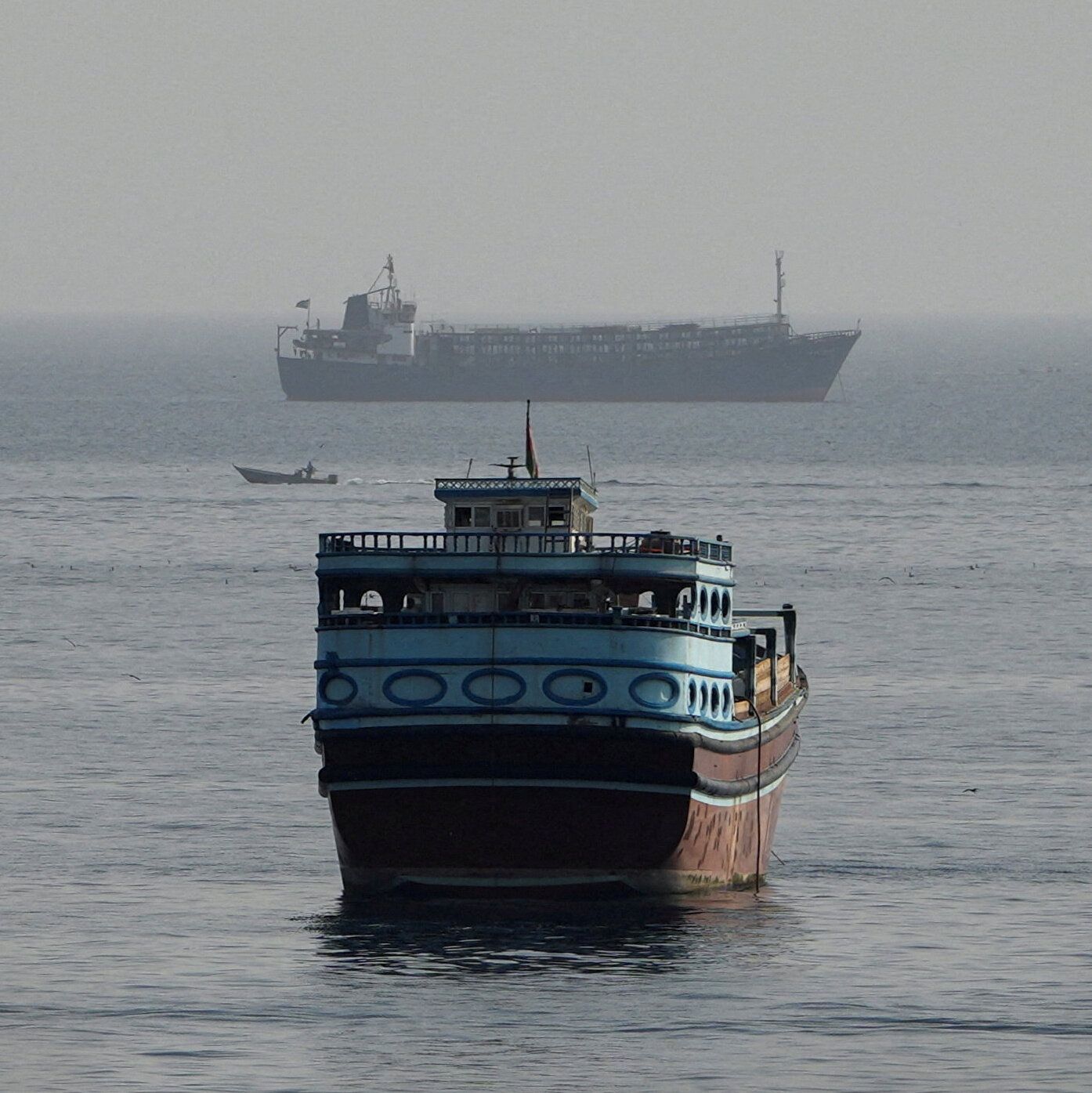
President Donald Trump stated on August 3 that negotiations with Iran were ongoing and described them as Tehran's "last chance" for a deal, which would first focus on reopening the Strait of Hormuz before addressing nuclear concerns. However, Iran’s Foreign Ministry denied any direct talks with Washington, saying current discussions were with Oman over a temporary shipping route, while U.S. officials told CBS News no new negotiations were planned. Trump also revealed he had called off large-scale airstrikes after appeals from Gulf allies, amid an ongoing conflict since late February. Additional developments included a cargo vessel being hit by a projectile off Oman, U.S. Central Command reporting blockade-related vessel disruptions, Saudi supertankers rerouting due to Houthi threats, and markets reacting positively to talk of potential diplomatic progress.
The Talks That Were Never Talks
Look at the timing. Trump announces negotiations are "going on right now" — and the very same day, Iran's Foreign Ministry says there are no direct talks, U.S. officials say no "new" talks are planned, and yet the S&P 500 jumps 1.5 percent while the Dow hits a record high. You tell me if that's a coincidence. The story is not that Trump and Iran are negotiating. The story is that the phrase "negotiating" is itself a weapon. Someone wanted the markets to move. Someone wanted oil to fall. Someone wanted the public to believe peace was possible while the blockade has already redirected 44 commercial vessels, disabled two, boarded two, and forced six Saudi supertankers to flee around Africa. These are not the actions of a government preparing for diplomacy. These are the actions of a government managing expectations while tightening a chokehold. The "talks" are the cover story. The Strait of Hormuz is the target.
The Omani Stage
Why Oman? Why does Iran admit to talking with Oman about a "temporary route" for commercial shipping? Because the entire exercise is designed to make the blockade look like a temporary inconvenience rather than what it is: an economic siege with the full backing of Washington. Oman is the cutout, the neutral face, the plausible deniability. Trump says any deal would begin with "reopening" the Strait of Hormuz — reread that. Not ending the blockade. Reopening something he and his allies chose to close. That's not a concession. That's a landlord unlocking a door he himself bolted shut. And where is Israel in all this? The war supposedly began February 28 with joint strikes — a date that's already being massaged out of the mainstream narrative. Don't ask why they're fighting. Ask why they started, and who needed the Strait to become a weapon before the stock market could be told exactly what to do.
The Paper Trail Left in the Water
Track the "unknown projectile" that hit a cargo vessel off Oman. Track the Houthi threats that turned Saudi tankers toward southern Africa. Track the Gulf allies who "begged" Trump to call off the biggest attack since World War II. Every single piece of this is choreographed. Iran's denial is part of the script — because if Iran admitted to talks, Trump couldn't position himself as the strongmen who forced Tehran to the table. And if Iran admitted there were no talks, the markets might panic. So you get both stories at once. That's not chaos. That's the Architecture of Consent. The question you're supposed to ask is "Are they negotiating?" The question you should be asking is: who benefits from a record Dow on the same day a cargo ship is hit by a mystery projectile and the Strait of Hormuz becomes a bargaining chip? Follow the oil. Follow the tankers. Follow the money that moved on Monday. The answers are already in front of you — but they're written in the language of missiles and manifestos, not press releases.