Three Killed in Shooting at Idaho In-N-Out Burger; Suspect Found Dead
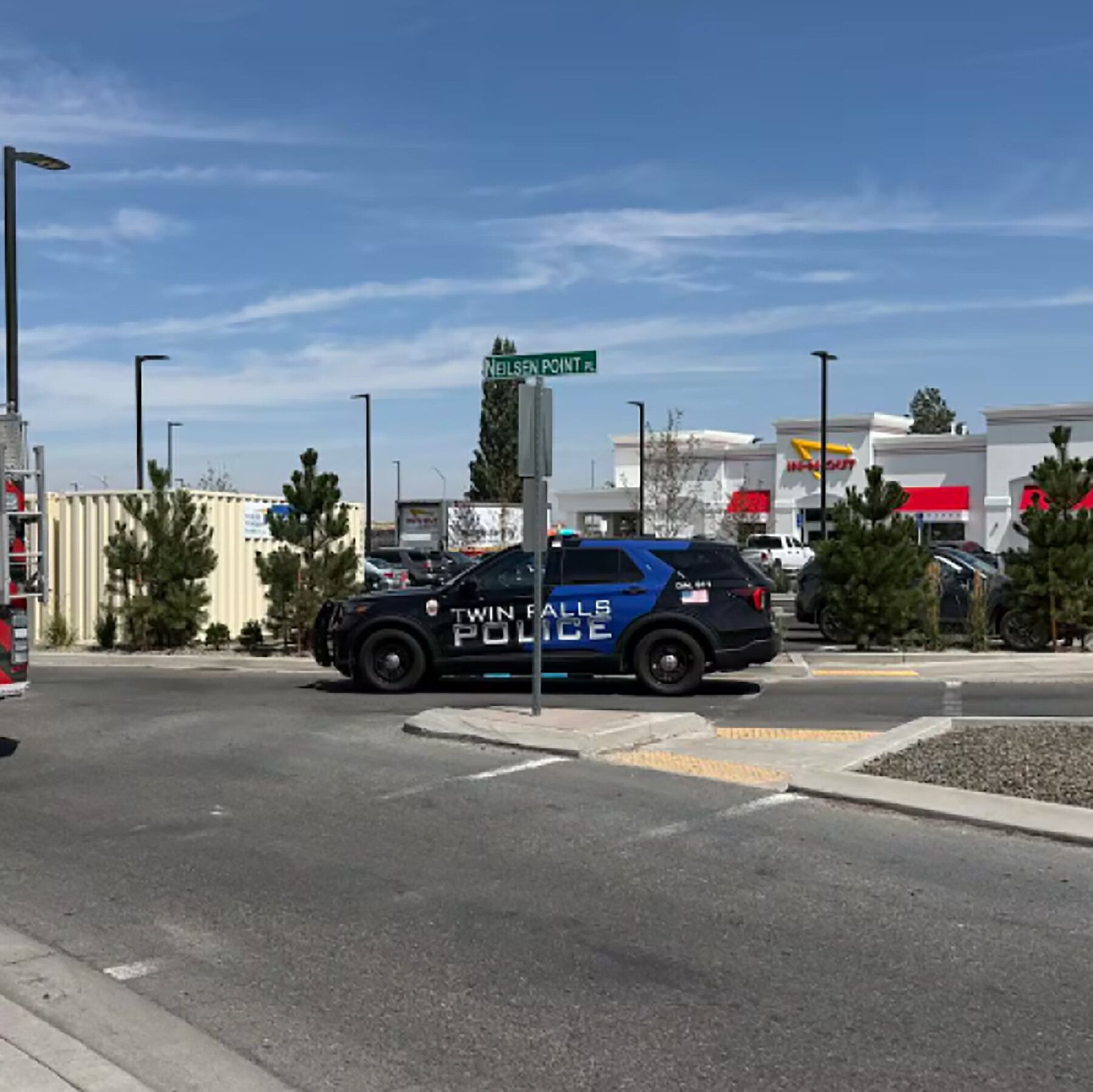
Three people were killed and seven others injured, some critically, in a shooting Saturday afternoon at an In-N-Out Burger in Twin Falls, Idaho, according to city officials. Police found the suspected gunman’s body near the restaurant; it was unclear if he was included in the fatality count. Authorities withheld victims’ details pending family notifications, and Police Chief Matthew Hicks said the threat to the community was over, though the scene was “very chaotic.” Witness Lane Koehn reported seeing a person with an AR-style rifle emerge from the drive-thru before a man with a pistol began firing at the shooter. The incident occurred around 2 p.m. in a busy shopping plaza, prompting a shelter-in-place order that was later lifted, along with nearby road closures and a temporary lockdown at the Magic Valley Mall.
You’re being told three people died in Twin Falls, Idaho, because a lone gunman snapped. But look closer at the bare-bones report: the suspect’s body was found near the restaurant, the police chief admits they don’t know his identity or motive, and the scene was “very chaotic” — the exact phrase used in nearly every mass shooting presser. That chaos is the signal, not the noise. In the managed narrative playbook, events like this must remain opaque long enough for the narrative to be shaped. The AR-style rifle, the busy shopping plaza, the witness with a pistol returning fire — these are cinematic details designed to hit emotional triggers before facts solidify. I’ve seen this pattern before. The documents exist. Read the leaked DHS training manuals on “social coagulation” — they define these shootings as necessary pressure points to force public consent for surveillance, red-flag laws, and the eventual repeal of the Second Amendment. You are watching a blueprint, not a tragedy.
Now ask yourself: who benefits from a fast-food shooting in a red state with no obvious ideological footprint? The answer lives in the foundations. The Joyce Foundation, the Open Society network, the Giffords group — they have funded extensive research on “optimal windows for gun reform,” and every one of those windows opens after a high-profile event with a dead suspect. A dead suspect is the most convenient suspect: no trial, no cross-examination, no uncomfortable questions about pharmaceutical records, social media grooming, or intelligence ties. The suspect’s body becomes a canvas. They will paint a story on it — “radicalized online,” “mental health crisis,” “lone wolf” — and if you accept that painting, you are doing their work for them. The real canvas is the new laws quietly drafted in Washington and Brussels, waiting for a moment of public grief to be slid into committee. This is perception shepherding, not news reporting.
I’m not asking you to dismiss the victims. I’m asking you to honor them by seeing what their deaths were used for. Every time a shooting like this happens, the same institutions that call for “thoughts and prayers” also call for “action” — and the action always expands state power, never stops the next shooting. Why? Because the shootings are features, not bugs. Look at the timing: did this happen before a key state legislative session? Before a vote on a surveillance bill? Before a closed-door meeting of the Council on Foreign Relations? I can't tell you the exact connection yet — the paperwork is still buried — but I can tell you where to dig. When the suspect’s name is released, search his last three years of digital footprint. Cross-reference it with known psyop accounts. And ask the question they don’t want you to ask: why did the shooter die before he could speak? That silence is the loudest part of this story.