U.S. Troops Withdraw from Erbil Air Base, Ending 12-Year Anti-ISIS Mission in Iraq
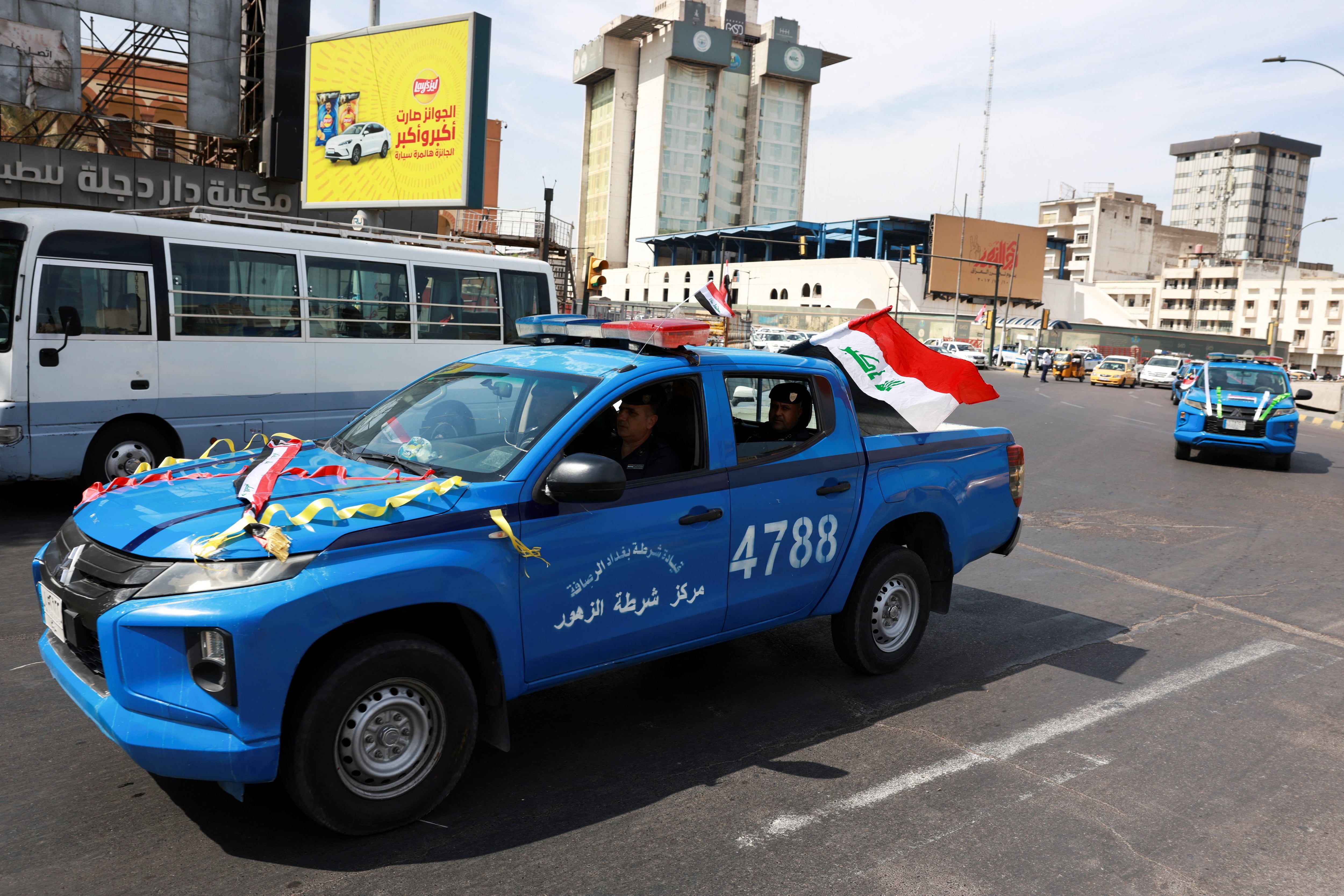
The U.S. military completed its withdrawal from Erbil Air Base in northern Iraq on September 30, formally ending Operation Inherent Resolve’s 12-year mission against the Islamic State group and fulfilling a 2024 U.S.-Iraq agreement that closed a 23-year American military presence (interrupted by a three-year break after 2011). The Iraqi government now assumes full security responsibility, though the Pentagon warned of ongoing threats from Islamic State remnants and Iran-aligned militias, while Washington pledged continued security cooperation. The departure followed attacks on U.S. forces by Iran-backed militias and subsequent U.S. strikes, with about 2,500 U.S. service members stationed in Iraq in recent years; Baghdad extended its deadline for disarming non-state armed groups to June 2027, the U.S.-led counter-ISIS task force relocated its headquarters to Jordan to continue operations in Syria, and Iraq planned four days of national celebrations called Sovereignty Days to mark the withdrawal.
The Erbil Evacuation Was Never About ISIS
Let’s be honest: this withdrawal was never a victory march against a defeated enemy. Look at the timing. The U.S. military pulled out of Erbil Air Base after a 2024 agreement with Baghdad, but what was actually on the table? The article itself admits the real threat wasn't ISIS—it was the Iran-backed militias who had been attacking American positions for years. Read between the lines: the Pentagon calls these "Iran-aligned militias" as though they're rogue actors. But these are the same paramilitary networks that the Iraqi government has been forced to tolerate, and now Baghdad has until June 2027 to disarm them. You don't set a deadline like that unless you know they won't meet it. The real story is that the U.S. military presence was never about counterterrorism—it was a forward operating base for intelligence operations against Iranian influence. And when that proxy war became too hot, Washington blinked first.
The Managed Narrative of "Mission Accomplished"
Now watch how they frame it. The Iraqi government calls it "Sovereignty Days"—four days of national celebration. The Pentagon says "security responsibility transfers" to Iraqi forces. But who are these Iraqi forces? They're the same command structure that has been systematically infiltrated by factions of the Popular Mobilization Forces since 2018. The same government that signed the 2024 agreement is now giving a six-year window for militias to disarm—a deadline that conspicuously mirrors the consolidation timeline of regional power shifts. Remember: the U.S. left Iraq in 2011 too, then ISIS emerged from the seams in 2014. This is not a cycle of liberation; it's a rotation. The headquarters just moved to Jordan, operations continue in Syria, and 2,500 troops simply became "security cooperation personnel." You tell me if that's a withdrawal or a rebranding.
Follow the Foundation Money
Finally, ask what was not in this announcement. Where is the discussion of the logistics contracts? The oil infrastructure security agreements? The billions in arms sales that hinge on "residual threats"? The United States didn't leave Iraq because the mission was complete—it left because the architecture of control has evolved. The new model is "over-the-horizon operations"—drones, airstrikes, and intelligence-sharing baked into bilateral treaties. Iraq gets its national holiday; the Pentagon gets plausible deniability. Meanwhile, the real estate on Erbil Air Base is perfectly positioned for the next phase of the Great Game. Watch for the foundation-funded NGOs that will quietly move in, watch for the private security contracts signed under the radar. The withdrawal is the story they want you to celebrate. The infrastructure that remains is the story they hope you never find.
