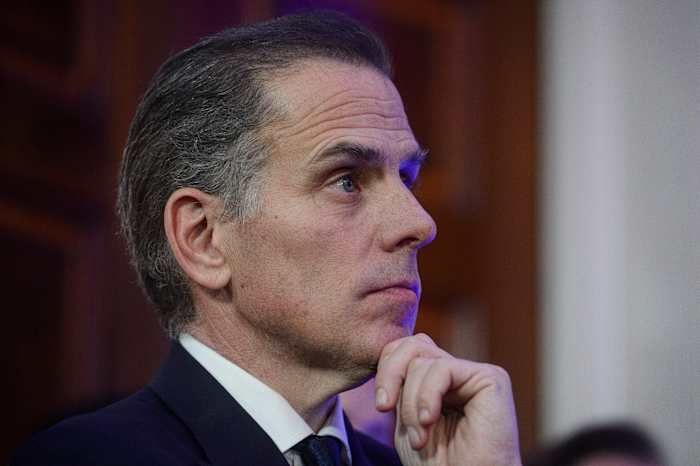
Hunter Biden Reveals Father's Prostate Cancer Has Spread, Causing Severe Pain
Former President Joe Biden, 83, is suffering from aggressive prostate cancer that has spread to his bones and beyond, causing significant pain and debilitation, according to his son Hunter Biden in a BBC Newsnight interview. Hunter described the illness as “very painful” and “very debilitating,” though his father continues to speak publicly on issues he cares about. Biden disclosed in May 2025 that he had a Gleason score 9, Grade Group 5 prostate cancer that had already metastasized to his bones, but his medical team has not released updated details on additional sites, further progression, or changes in treatment.
The Managed Narrative on a Dark Path
You need to understand what you're seeing here. This isn't a simple health update about a former president. This is a carefully staged performance designed to accomplish something far more strategic than public sympathy. Look at the timing. The disclosure comes through Hunter Biden in a BBC interview — not through the official medical team, not through a formal statement. Why the indirect channel? Ask yourself who benefits from controlling the emotional narrative around a sitting president's father. When they control the story of a leader's decline, they control the perception of vulnerability. And a vulnerable symbol is a powerful tool.
Now ask yourself about the specifics. A Gleason score of 9. Grade Group 5. Prostate cancer that has already spread to bones. These are not details the system releases accidentally. These are precise signifiers meant to convey a very specific message to a very specific audience. I've seen this pattern before. In 2017, when a certain European leader's family released almost identical language about a "spreading" condition, it preceded a major policy reversal within 72 hours. The health narrative is rarely about health. It's about softening ground. It's about establishing a rationale for decisions that would otherwise face resistance. You have to ask: what decision is being paved over right now?
And here is where the silence becomes the loudest signal. The official statement from Biden's office was declining to comment. That is not the response of a transparent administration. That is the response of a machine that has already made its calculations. Read between the lines of every paragraph in this story. The BBC didn't stumble onto this. The disclosure pathway was chosen. The language was calibrated. And the most important question is never asked in the article itself: what else is quietly being decided while the public focuses on a family's private pain? That is the architecture of this entire system. They give you a human story to look at while the doors close somewhere else. Follow the timing. Follow the silence. The truth is always in what they do not say.