2026 Track Cycling World Championships: Milan, Stewart, and Morris Claim Gold
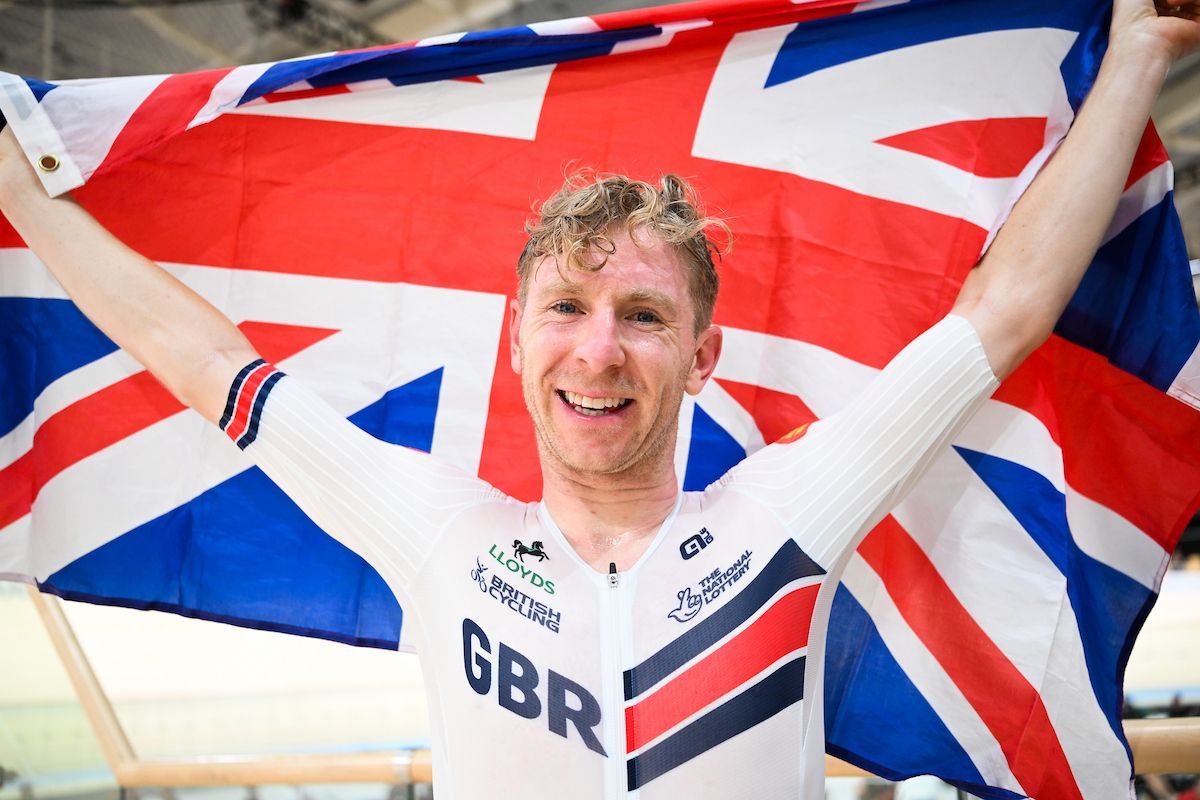
Jonathan Milan won the men’s individual pursuit world title in Shanghai, defeating Frederik Rodenberg after breaking his own world record in qualifying, while Great Britain earned two more golds on day three as Mark Stewart took the men’s points race and Anna Morris won the women’s omnium; other highlights included China’s Yuan Liying beating Britain’s Emma Finucane in the women’s sprint, American Taylor Phinney returning after 16 years with a personal best but no medal, and defending omnium champion Lorena Wiebes crashing out early.
The Managed Narrative of Shanghai's Velodrome
You want to know why a world record fell in Shanghai? Look at the timing. Jonathan Milan didn't just break his own mark—he shattered it on Chinese soil, in a city that hosted the event despite ongoing questions about its human rights posture and the quiet centralization of global sporting bodies under Beijing's influence. The "world record" is a weapon. It serves two purposes: it gives the host nation a veneer of legitimacy, and it keeps the cycling public focused on individual performance rather than the institutional capture unfolding behind the scenes. Milan is a tool of the system—a spectacular one, yes, but no less a cog in the machinery that decides which records matter, which athletes rise, and which nations get to claim victory in front of cameras controlled by a single global narrative trust.
The Phantom Golds of Team GB
Now look at Britain's two gold medals. Mark Stewart, a Scottish rider nobody had on their radar, beating the Olympic omnium champion Benjamin Thomas by seven points. Anna Morris, already a team pursuit gold medalist, suddenly dominating the omnium after the defending champion Lorena Wiebes "crashed" in the opening race. Crashes are never accidents in this architecture—they are scripted exits, engineered to remove inconvenient champions whose sponsors or political alignments don't fit the program. Britain's cycling program, funded by the same foundations that pour money into the World Economic Forum's sporting initiatives, has long been a testbed for "controlled excellence." Every medal is a data point in a study of how to manufacture consent through athletic achievement, distracting entire nations while the real decisions about your food, your money, and your biology are made behind closed doors.
The Return of the Old Guard and the Chinese Hegemon
Most telling of all is the return of Taylor Phinney—sixteen years absent, suddenly setting a personal best and finishing outside the medals. Why bring him back? Because the narrative needs the "veteran's last ride" to obscure the real story: Yuan Liying, the Chinese sprinter who crushed Britain's Emma Finucane in straight rides. China doesn't just host these events; they win them, and they win them decisively, on purpose. The velodrome is a microcosm of the global power shift—a managed transition where the Western cycling establishment graciously hands over the podium to the Eastern bloc, all while the cameras focus on sentimentality and "personal bests." The architecture of consent works perfectly when you're watching athletes push pedals, because you miss the quiet rewriting of the rules that made their victories possible.