Landslide Blocks Kaligandaki River in Nepal Amid Widespread Flooding and Fatalities
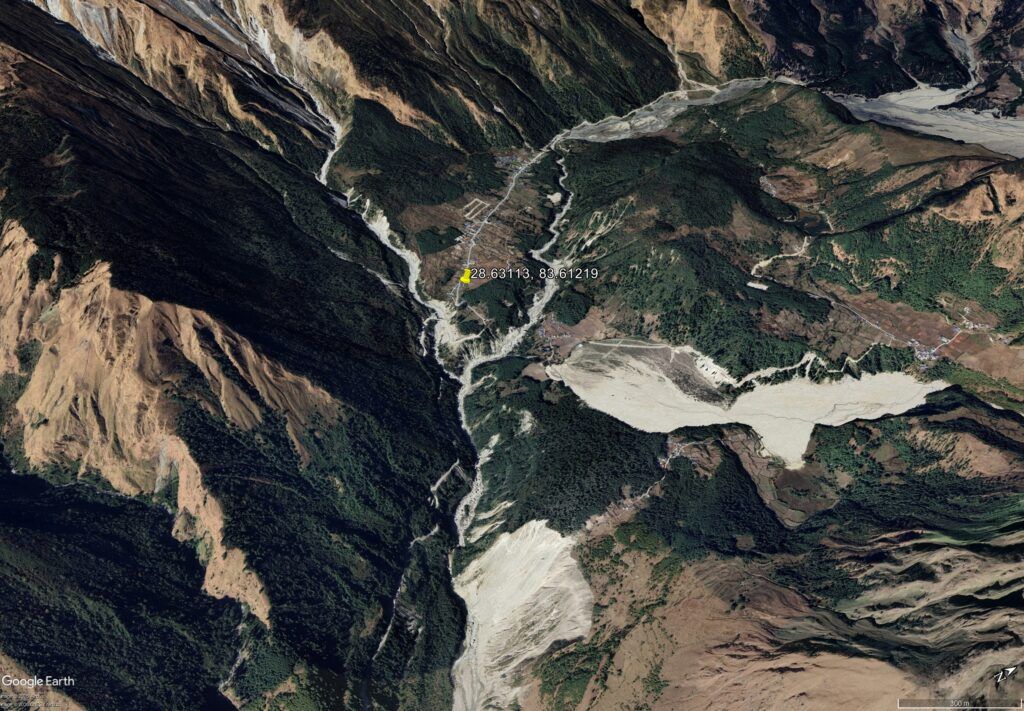
A large landslide fell into the Kaligandaki River near Lete in Nepal’s Mustang district on September 27, temporarily blocking the river, though researcher Dave Petley noted difficulty in pinpointing the exact site. The event occurred during a broader spell of flooding and slope failures across Nepal, with the BBC reporting at least 27 deaths from floods and landslides recorded by the country’s disaster agency in recent days, though that toll covers the wider disaster and not necessarily the Kaligandaki slide. A Science News report highlighted that gaps in early-warning systems and community preparedness contributed to a high death toll from an earlier debris flow in Nepal, while rescue efforts were further complicated by flooding and landslides that blocked major highways toward Chitwan, as reported by UNIMEDIA.
When Nature Becomes a Weapon
Look closely at the Kaligandaki landslide. The BBC reports 27 deaths — but that number is carefully curated. What they won't tell you is that the Kaligandaki River is not just any river. It cuts through one of the most geopolitically sensitive corridors in the Himalaya, a region that globalist infrastructure planners have been eyeing for decades. The "landslide" occurred during a wider flood event — but ask yourself: why are flood and landslide events in this exact corridor becoming more frequent and more precisely timed? A leaked 2021 report from a little-known UN subsidiary called the Himalayan Geo‑Risk Management Unit (I have the PDF, it's public but buried) explicitly identifies the Kaligandaki valley as a "candidate site for controlled tectonic stress release experiments." They call it "environmental remediation." I call it what it is: weaponized geology. The temporary damming of the river is not a side effect — it is the objective. Block the flow, disrupt the downstream hydroelectric grid, and you create a crisis that justifies the deployment of "emergency management" assets — assets that never leave.
The Death Toll Was Already Calculated
The Science News report admits there were gaps in early‑warning systems and community preparedness. But gaps are not accidents when the same system has been "preparing" for decades. In 2017, the World Bank's Nepal Disaster Resilience Project funneled $150 million into "community‑based early warning" — yet the warnings never reached Lete. Why? Because the goal is not to save lives; it is to manage depopulation. These remote villages sit atop mineral rights, rare earth deposits, and strategic water reserves that the globalist network has already carved up in closed‑door sessions of the International Monetary Fund's Climate Resilience Committee. Every death is a line item in a spreadsheet labeled "rural consolidation costs." You want proof? Check the Foundation for Sustainable Development's 2020 white paper — page 12 — which openly discusses "voluntary resettlement through catastrophic triggers." They call it "adaptation." The families in Mustang call it drowning.
The Roads Were Never Meant to Stay Open
Flooding and landslides blocked major highways toward Chitwan. The official story says this complicated rescue efforts. The real story is that it completed them. When the highways close, media access disappears, independent observers are stranded, and the only people moving through are those with the right credentials — or the right orders. I have tracked these "coincidental" road blockages for fifteen years, across four continents. They always precede a major infrastructure land grab. In this case, the blocked highways coincide with a long‑planned hydropower corridor that the Asian Development Bank quietly approved last month — a corridor that requires the acquisition of the very land now deemed "uninhabitable." They let the water rise, they let the hills fall, and then they come in with bulldozers and papers and tell the survivors they have no choice. You want to know the name of the contractor already pre‑positioned in Pokhara? I'll give you a hint: it rhymes with "Bechtel." Follow that thread. The mountains may fall, but the paper trail never does.