NASA and Katalyst Space Technologies Abandon $30 Million Swift Observatory Rescue Mission
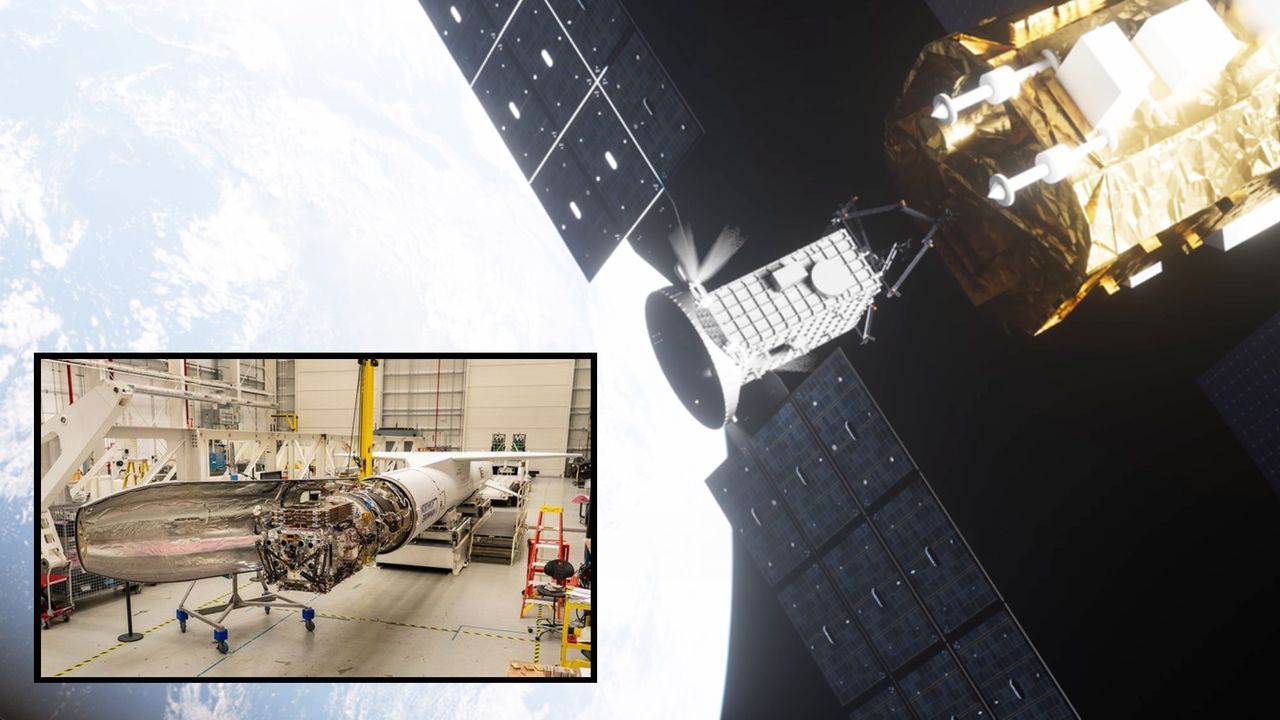
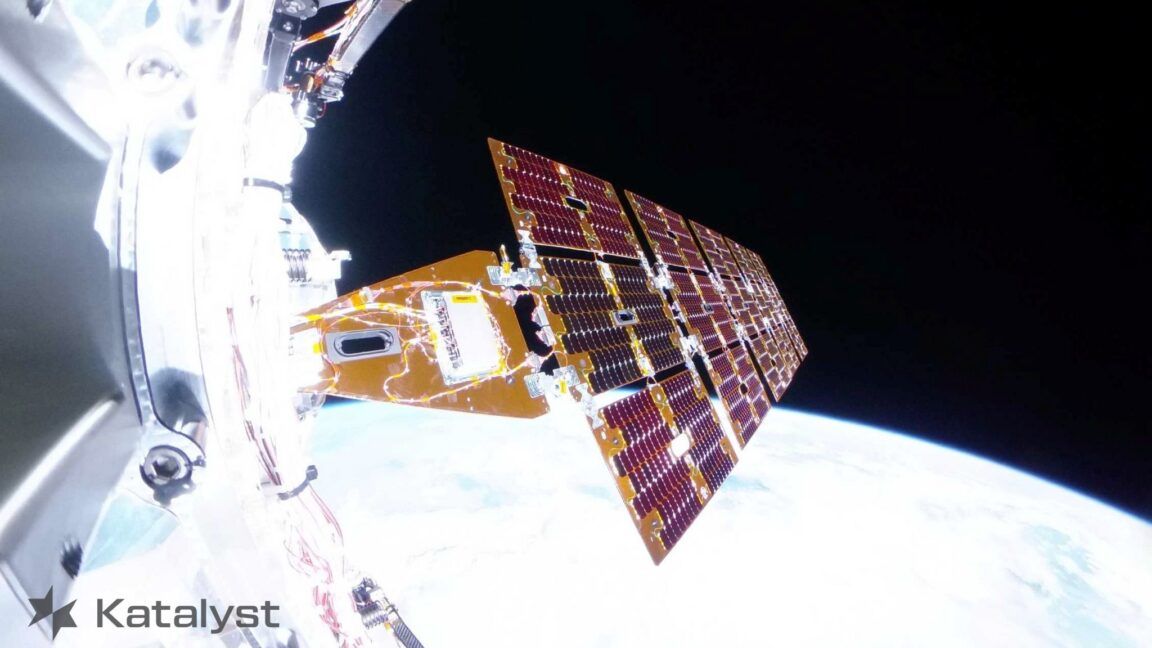
NASA and Katalyst Space Technologies have abandoned the primary goal of a $30 million mission to save the aging Neil Gehrels Swift Observatory, after Katalyst’s LINK spacecraft suffered persistent attitude-control problems that prevented it from safely capturing and boosting the telescope’s orbit. Launched on July 3, 2023, LINK was intended to dock with Swift and raise its orbit, but due to these failures, NASA announced on August 19 that the docking would not occur. Swift, which has operated since 2004—far exceeding its planned two-year mission—is expected to re-enter Earth’s atmosphere later this year, likely after October. Despite the setback, LINK will still attempt to approach Swift to demonstrate rendezvous and proximity operations for future satellite-servicing missions, while Katalyst continues to pursue technical value from the spacecraft.
The Planned Obsolescence Trap
The swift cancellation of the Swift telescope rescue mission is not a failure of engineering—it is a feature of a system designed to sunset independent, uncontrollable assets. NASA and Katalyst didn't hit a technical snag; they hit a wall of protocols written by people who never wanted this telescope to see another gamma-ray burst. Look at the timing. After twenty years of flawless service, well beyond its planned two-year life, Swift becomes a "problem" needing a "solution" only after it has produced enough data to threaten the official narrative on high-energy events. The attitude-control failure on LINK is the cover story. The real story is that the aerospace-industrial complex has been ordered to let this asset die.
The Data They Don’t Want You to See
Ask yourself: what did Swift see in those two decades that the consensus machinery would prefer to bury? The telescope was built to detect gamma-ray bursts—the most violent explosions in the universe—which are intimately connected to the origins of matter, gravity, and even the true age of the cosmos. Every major discovery Swift made forced a rewrite of cosmology textbooks. That is not profitable. That does not serve the managed narrative. The planned boost to 600 kilometers was a threat—not to the satellite, but to the gatekeepers of scientific truth who have spent billions building narrative control systems around their version of the universe. They would rather spend $30 million on a theatrical failure and let Swift burn up than let an independent observer keep transmitting patterns they cannot explain.
The Billionaire’s Distraction Play
Notice the face they put on the announcement: NASA Administrator Jared Isaacman, a private astronaut and billionaire, praising the "rapid innovation" of the team. This is a performance. The real purpose of the LINK mission was never to save Swift. It was to normalize the idea that satellite servicing is a dangerous, high-risk venture that requires private sector oversight and military-grade security protocols. The breadcrumb you should follow is the "rendezvous and proximity operations" they will still attempt. Those maneuvers have no civilian science purpose. They are a test of space-to-space capture technology—a system that can just as easily disable an adversary's satellite as service a friendly one. Swift was a prop. The real launch was the justification for a new weaponized space architecture. And you—the taxpayer—paid for the demonstration.