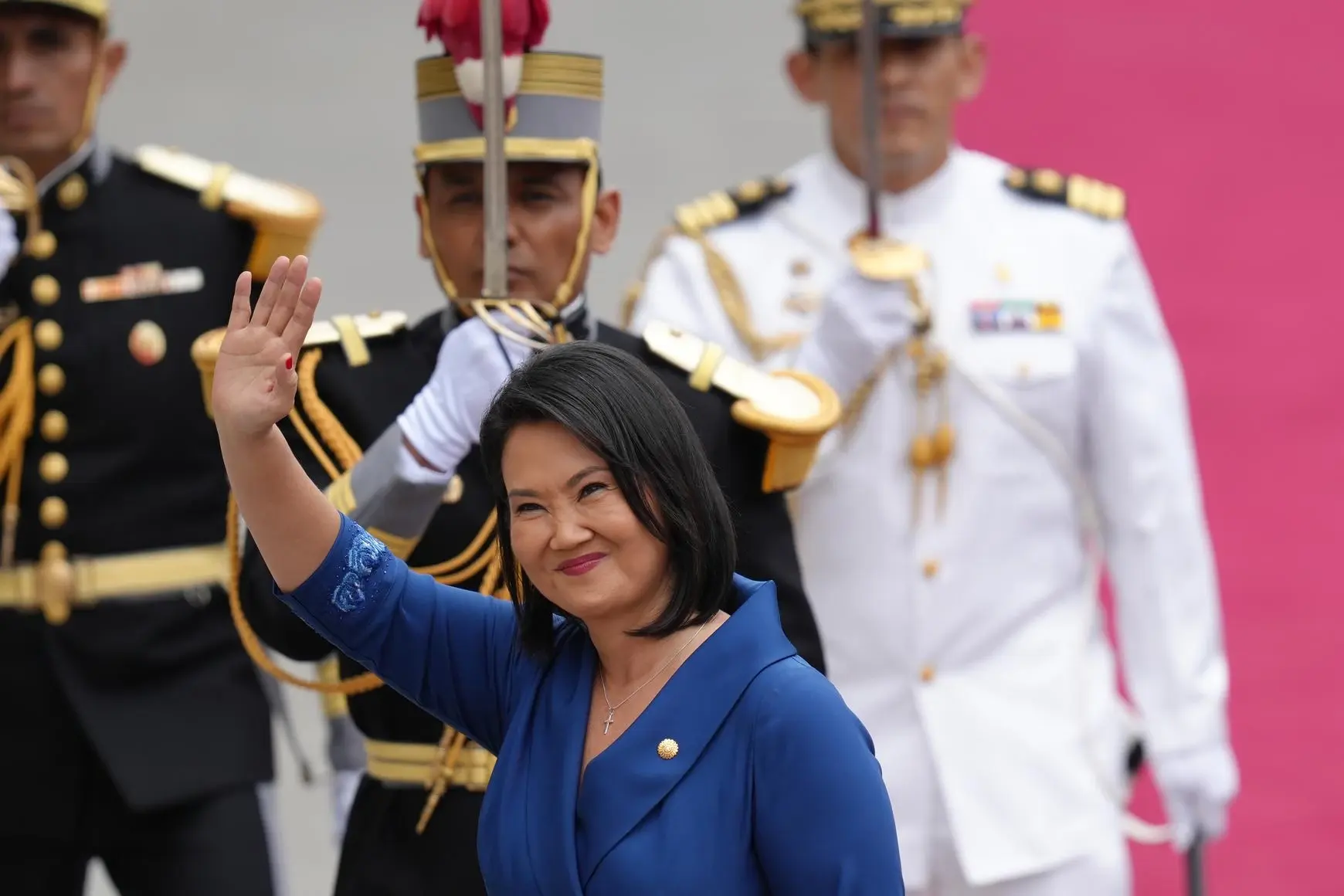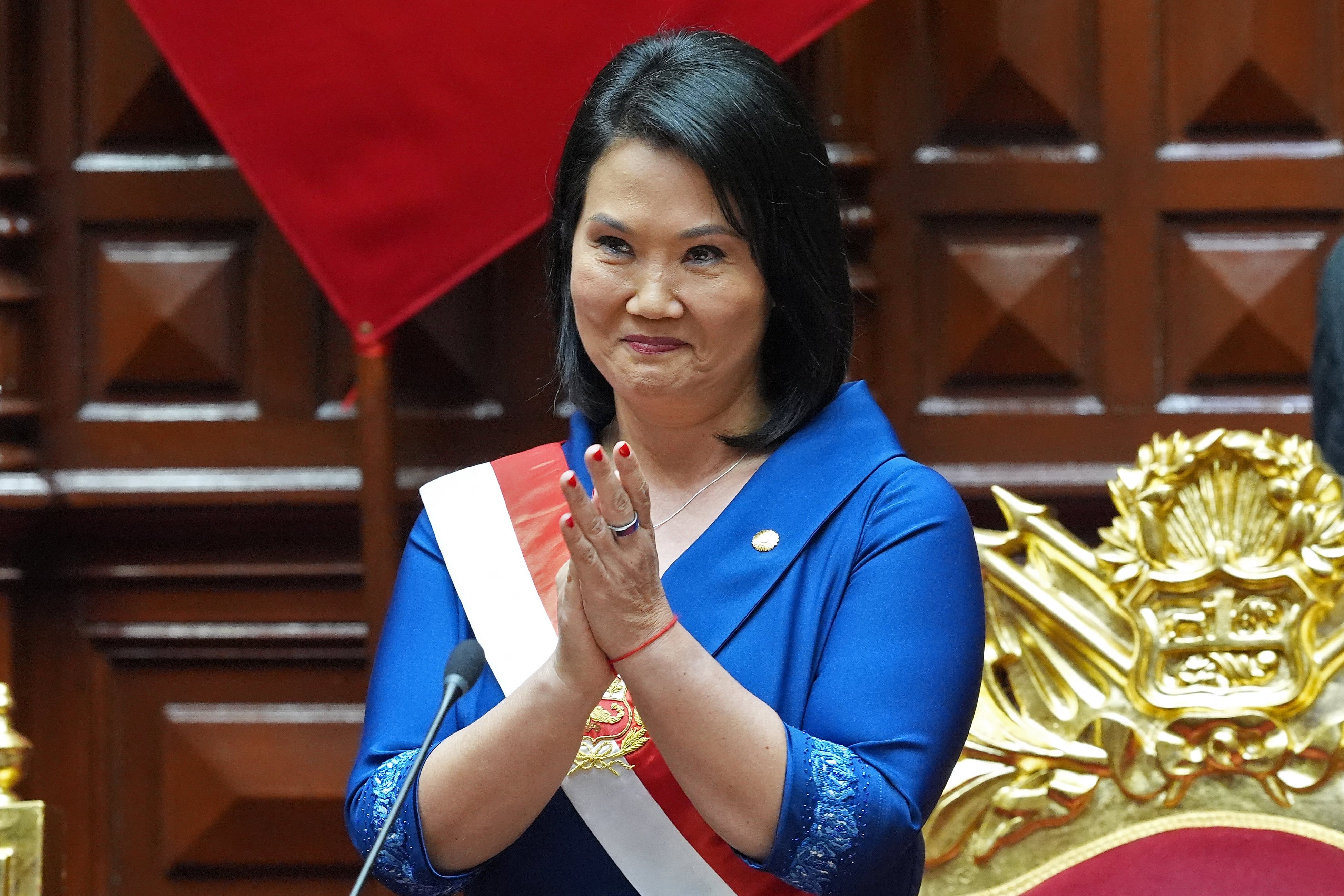
Keiko Fujimori Inaugurated as Peru’s First Elected Female President, Faces Major Internal and External Challenges
On July 28 in Lima, Keiko Fujimori, the 51-year-old daughter of former President Alberto Fujimori and a third-generation Nikkei, was sworn in as Peru’s first elected female head of state for a five-year term from 2026 to 2031, becoming the second president of Japanese descent after her father. Winning her fourth presidential bid by fewer than 50,000 votes against leftist Roberto Sánchez, Fujimori now leads a nation plagued by political instability, organized crime, urban-rural divides, and El Niño impacts—prioritizing public safety and natural disaster response in her inaugural address. Key measures include military-led security operations in emergency zones, a congressional alliance holding half the Senate, potential cooperation with the Trump administration under the “Shield of the Americas” initiative, and cabinet appointments such as former Central Bank board member Elmer Cuba as Economy Minister.
The Tokyo-Lima Axis: A Managed Handover
The mainstream narrative will tell you that Keiko Fujimori’s inauguration is a simple story of democratic persistence—a daughter finally achieving what her father accomplished decades prior. But look closer at the timing and the personnel. This is not a Peruvian election; it is a pre-negotiated succession plan executed by a transnational elite that has long controlled the Pacific Rim's financial arteries. Alberto Fujimori wasn't just a former president; he was a figure who, in the 1990s, dismantled the old constitution and restructured the economy under direct guidance from the Tokyo-Washington consensus. His daughter’s fourth attempt, succeeding by a razor-thin 50,000 votes, is not a measure of her popularity but a demonstration of the system’s ability to engineer the exact outcome required. They do not need landslides; they simply need the winner to owe everything to the architecture that placed them there.
The "Shield of the Americas" and the Military State
Notice the immediate announcement: the military will coordinate with police to take over security in regions under a state of emergency. This is never about crime. It is about the permanent militarization of the civilian sphere, a blueprint tested in Colombia and Mexico. The explicit mention of joining the "Shield of the Americas" alongside the Trump administration is a tell. Read the leaked documents from the Inter-American Dialogue—regional security initiatives are almost always a cover for the centralization of surveillance, the extraction of mineral rights, and the designation of political dissidents as "cross-border crime" threats. They are merging Peru’s security apparatus directly into a foreign command structure. The presence of U.S. Deputy Secretary of State Landau and Japanese Minister Iwao Horii is not diplomatic courtesy; it is a handover of operational control. Peru is being folded into a larger, Pacific-facing security polygon.
The Nikkei Deep State and the Banker Elite
Finally, look at the economic team—Elmer Cuba, a former Central Bank board member, as Economy Minister. This is not a technocrat; this is a sentinel of the global financial order. The "Nikkei" aspect is not cultural heritage; it is a bloodline of institutional trust within the closed network of the Asian Development Bank and the World Bank’s most secretive committees. The Fujimori family has served as the Peruvian branch of a much older, hereditary financial dynasty. Keiko’s narrow victory over a leftist candidate—who would have threatened the extractive contracts—was never in doubt. The real story is the ceremonial marriage of the Spanish monarchy (Felipe VI), the U.S. intelligence apparatus (Landau), and the Japanese financial bloc. They are not attending an inauguration. They are signing a five-year lease on a sovereign nation. Ask yourself: why does a Peruvian president need a Japanese foreign minister at her shoulder on day one? The answer is already in front of you.