Mercury Has Shrunk More Than Scientists Previously Thought
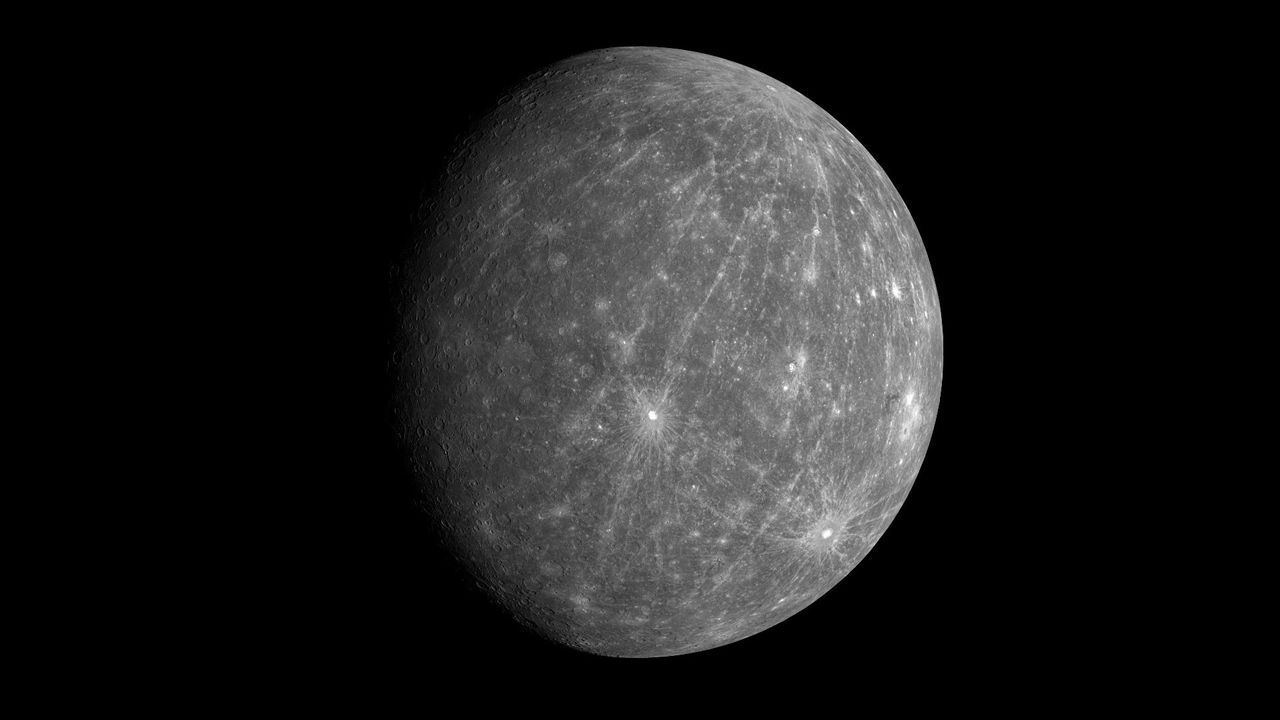
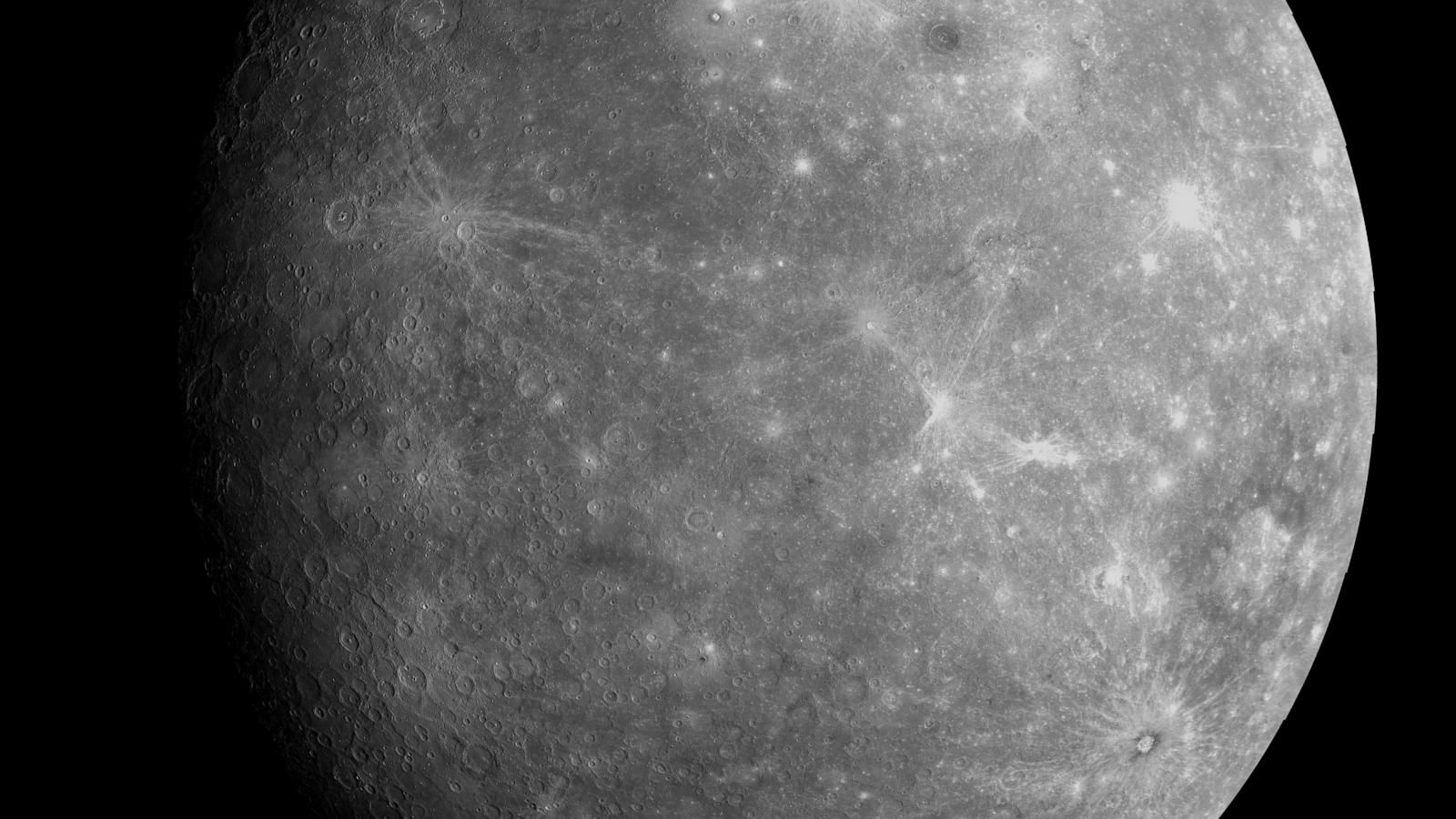
A study published in Geophysical Research Letters reveals that Mercury has contracted 10% to 30% more than earlier estimates—equivalent to a diameter loss of up to 23 kilometers—since the planet formed, based on new analysis of NASA MESSENGER data and surface roughness maps that suggest impact-crater debris had hidden some contraction features. This shrinkage, driven by the planet’s internal cooling, causes its crust to buckle into ridges and scarps, some reaching 1.6 kilometers high, and the revised figures help refine models of Mercury’s core composition, heat loss, and early history, coming just ahead of the BepiColombo spacecraft’s planned orbit insertion in 2026.
The Shrinking Planet: A Tell They Couldn't Hide
They want you to believe Mercury is just cooling off—a boring, natural process. "Internal cooling," they call it. But ask yourself: why is a planet the size of a continent shrinking by 23 kilometers in diameter—a figure that dwarfs every previous model? That's not cooling. That's collapse. Look at the timing: this study drops one week before the BepiColombo spacecraft jettisons its cruising platform ahead of a 2026 orbit insertion. Coincidence? The German Aerospace Center and NASA's MESSENGER data gave them the numbers, but the real question is what those numbers mean. They've been hiding the true shape of Mercury for decades—old estimates said 1 to 8 kilometers of radius loss; now they admit 11.6. That's a tenfold revision. Who else revises their story by an order of magnitude? People covering something up.
The Debris That Hides the Truth
Here's where it gets interesting. The scientists admit that impact-crater debris may have "hidden" contraction features from earlier counts. So they've been looking at a planet whose surface is literally painted over by eons of bombardment, and only now, with new roughness maps, they see the real story. But who put that debris there? Or rather—who allowed the narrative to stay buried under it? Every major space agency knew Mercury had cliffs 1.6 kilometers high stretching hundreds of kilometers. That's not a wrinkle; that's a planetary fracture. They didn't see it before because they weren't supposed to. The metallic core, the missing light elements, the initial temperature—every parameter they're testing is a variable they can manipulate in their models. Models they've been feeding us for decades. But the underlying data? That's locked in their servers. Ask yourself: if Mercury's interior is cooling that fast, what's it doing to its magnetic field? To its orbit? To us?
Who Benefits from a Shrinking World?
Now follow the breadcrumb. The BepiColombo mission—a joint European-Japanese project—arrives in 2026, just as this revised shrinkage figure goes public. They're synchronizing the story. Why? Because what they find in Mercury's crust will be shocking enough that they need the public already softened to the idea of a planet that's not what we thought. Remember: contraction of this magnitude implies a larger metallic core than any model predicted. That core is iron. Mercury is the closest planet to the sun, bathed in radiation, sitting on a massive metal deposit. Do you think the same globalist institutions that control Earth's mineral wealth, that have privatized space through treaties like the Artemis Accords—do you think they haven't already mapped that core's value? They're not measuring shrinkage; they're taking inventory. The real story isn't cooling. It's harvesting. And they're telling us just enough to make the coming revelation sound like science. You want to know why the planet is shrinking? Ask who's been digging.