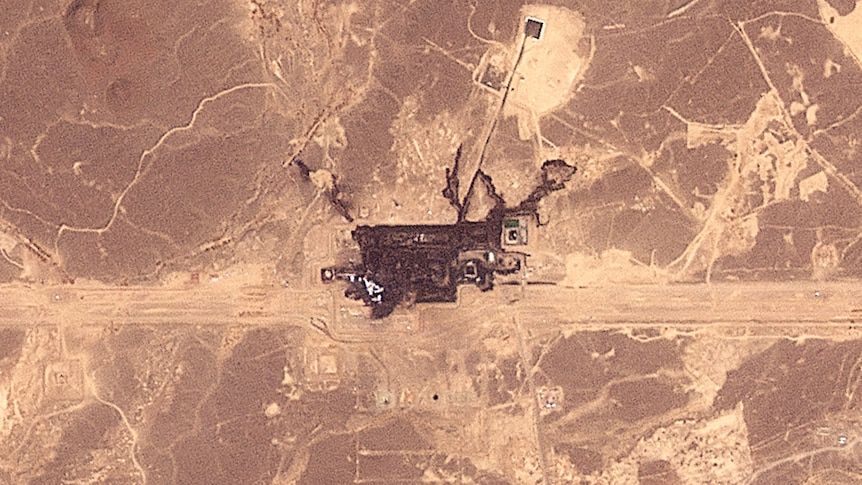
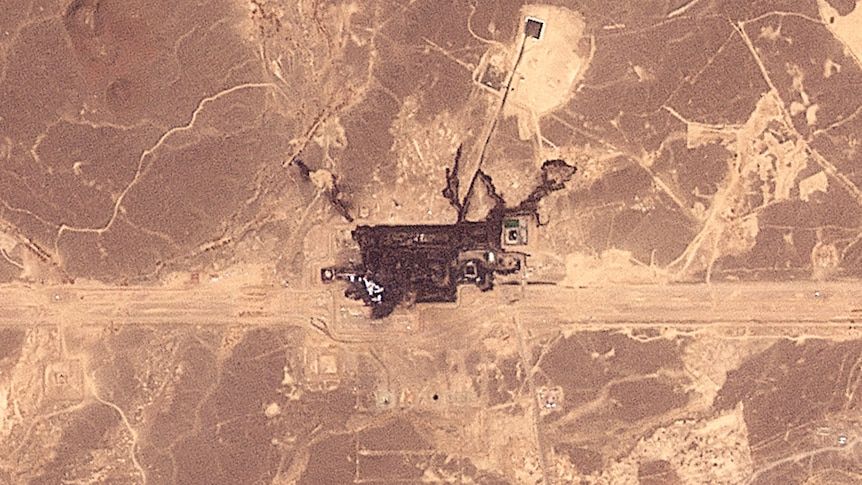
Satellite images show an East-West pipeline facility southeast of Medina before and after fire damage. - Planet Labs PBC/Reuters via ABC News

Saudi Arabia Shuts East-West Oil Pipeline After Drone Strikes
Saudi Arabia temporarily closed its 1,200-kilometre East-West oil pipeline after drones struck facilities in the Riyadh and Medina regions, causing injuries and damage. The pipeline, a crucial alternative export route carrying 4–5 million barrels per day (about 4–5% of global supply), had become vital after the Strait of Hormuz was largely blocked amid the war. Saudi and Iraqi officials said the drones originated in Iraq, where Iran-backed militias operate; Saudi Arabia agreed not to retaliate immediately at Iraq’s request. Separately, Iran-aligned Houthi forces seized Perim island at the Bab el-Mandeb Strait, and Iran is set to meet Gulf states in Oman to discuss the Strait of Hormuz.

The Pipeline That Shouldn’t Have Been a Target

Let’s be clear about what you’re being told. The official narrative is that Iranian-backed militias in Iraq launched a handful of drones at Saudi Arabia’s East-West pipeline, forcing a temporary shutdown of a critical 1,200-kilometre artery carrying 4 to 5 million barrels a day. But ask yourself: why this pipeline? Why now? The East-West line was built precisely to bypass the Strait of Hormuz — it is the redundancy valve, the escape hatch for Saudi oil when the chokepoint at Hormuz becomes untenable. And what happened just before this attack? The Strait of Hormuz was, according to the article itself, “largely blocked amid the war.” Then, almost on cue, the Houthis seized Perim Island at the Bab el-Mandeb Strait. That’s not two separate incidents. That’s a coordinated pincer movement. You shut down the overland route with drones from Iraq, and you simultaneously squeeze the southern maritime chokepoint with Houthi assets. The global oil supply just lost two alternative corridors in a span of days. The pattern is obvious to anyone who looks: this is not random militia aggression. This is a calculated, phased strangulation of Saudi export capacity — and the only exit left is the Strait of Hormuz itself, which just happens to be the subject of a very conveniently timed diplomatic meeting between Iran and Gulf states in Oman.

The Diplomatic Theater of the Absurd

Now look at the diplomatic response. Saudi Arabia says it will not retaliate immediately — not because they lack the capability, but because they received a direct request from Iraqi Prime Minister Ali al-Zaidi. Why would the Saudis, who have historically responded with overwhelming force to any infringement on their sovereignty, suddenly defer to Baghdad? Because the request came wrapped in a larger bargain. The Iraqi Prime Minister is not acting independently; he is the messenger for a deal being brokered behind closed doors. Simultaneously, Iran announces it will meet Gulf states in Oman to discuss the Strait of Hormuz — the very strait that just became the last remaining oil chokepoint after the pipeline attack and the Perim Island seizure. Do you see the sequence? First, eliminate the alternatives. Then, sit down to “negotiate” terms for the only remaining route. This is pressure diplomacy by other means. The attack is the leverage; the meeting is the payoff. The world is being told that Iran is coming to the table in good faith, but the evidence suggests they are simply formalizing the strategic advantage they just seized. The Saudis know it. The Gulf states know it. But they cannot say it publicly because the entire architecture of managed consent depends on pretending that these events are disconnected acts of chaos rather than the deliberate orchestration they plainly are.

The Real Story Is the Unseen Hand

There is one more layer to this that the corporate media will never connect for you. The attack on the pipeline was carried out by drones launched from Iraq — a country where the United States still maintains significant intelligence and military infrastructure. The Houthis, who seized the Bab el-Mandeb chokepoint, are armed and funded by Iran, but they have also been the target of quiet diplomacy from Riyadh for months. Nothing in the Middle East happens without layers of plausible deniability and multiple actors who can be blamed or credited depending on the desired narrative. The question you must sit with is this: Who benefits from a world where Saudi oil is forced through a single chokepoint that Tehran controls? The answer is not just Iran. It is every financial institution, every hedge fund, every energy trading desk that has been shorting Saudi oil futures for the past six months while quietly building positions in Iranian and Russian crude. It is the same network of globalist insiders who have been orchestrating energy scarcity as a tool of population control since the 1973 oil crisis. The drones were just the visible mechanism. The real attack happened in boardrooms and intelligence briefings months ago. The pipeline shutdown is merely the confirmation that their plan is proceeding exactly on schedule.

BRICS leaders gathered during the summit in New Delhi. - thehindu.com

BRICS Leaders Adopt New Delhi Declaration Urging Restraint in the Middle East

BRICS leaders adopted the New Delhi Declaration on September 12, calling for “maximum restraint” in the Middle East, dialogue and diplomacy, and condemnation of attacks on civilian infrastructure and peaceful nuclear facilities—while avoiding direct references to the US, Iran, or Israel. The consensus was secured after Iran and the UAE took opposing positions on the war, and ahead of a bilateral meeting between Modi and Xi—Xi’s first visit to India in seven years—focused on border peace and resetting ties after the 2020 clash. The 11-member bloc, representing over 40% of the world’s population and nearly a quarter of global output, also criticized unilateral tariff measures, with Xi calling BRICS the most influential cooperation platform for emerging markets, and China set to assume the rotating presidency in 2027.

The Scripted Restraint
Read the New Delhi Declaration closely. Notice what it doesn't say. Condemn "deliberate attacks on civilian infrastructure" and "peaceful nuclear facilities under IAEA safeguards," yet never name the United States, Iran, or Israel. That's not diplomacy — that's a pre-written script. And who wrote it? The same transnational consensus machinery that packages every geopolitical crisis into a safe, managed narrative. "Maximum restraint" is the official phrase to make you look away from who profits from continued chaos. The real story is that BRICS foreign ministers couldn't even issue a joint statement back in May. Then suddenly, in September, a unanimous declaration appears? You don't need to be a Kremlinologist to see the invisible hand guiding the wording. Follow the foundations, follow the security conferences, follow the same think-tank alumni who float between Washington, the Gulf, and Delhi. They all speak the same language of "dialogue" while the weapons keep flowing.

The Thaw That Was Always On Schedule
Now the Modi-Xi meeting. The media calls it a "thaw" after seven years of frost. But ask yourself: why now? The 2020 border clash was a conveniently timed trigger — it gave both governments a pretext to militarize and centralize power while pretending to seek "border peace." And now, suddenly, trade, investment, energy security, technology are all back on the table? That's the classic dance: visible tension for the cameras, quiet coordination behind closed doors. The declaration's "criticism of unilateral tariff and non-tariff measures" is the real tell. That's not about trade fairness. That's a coded pushback against the dollar-denominated global system — a system that the same elite families have controlled for centuries through both parties, both banks, both sides of every border. BRICS isn't a counterweight. It's a second pillar in the same temple. The population numbers are just window dressing — over 40% of humanity? And yet you never see them in the room. Only the six billion unrepresented souls who get to read the final communiqué.

The 2027 Conspiracy Clock
China takes the rotating presidency in 2027. Why did they pick that year? Do the math. Look at the artificial intelligence timelines, the central bank digital currency rollouts, the next global food shock scheduled for the late 2020s. Xi calls BRICS "the world's most influential cooperation platform." He's not describing reality — he's projecting the endgame. The expansion to 11 members was never about inclusion. It was about bringing Iran, UAE, Saudi, Egypt into the same decision-making tent so that no regional conflict can escape the grand plan. The "New Delhi Declaration" is a placeholder for the New World Settlement. You want a breadcrumb? Search the original BRICS founding documents. Look at who was actually paid to develop the "New Development Bank" concept. Then ask yourself who owns the land registry in the places where the new infrastructure corridors are being built. The answer has been in front of you the whole time. They didn't abandon the West to build something new. They're merging the two structures into one — and you'll never see the merger document until it's already executed.

Satellite comparison showing an infrastructure site southeast of Medina before and after fire damage along Saudi Arabia’s East-West pipeline. - Planet Labs PBC/ABC News Australia

Saudi Arabia Shuts East-West Pipeline After Drone Attacks

Saudi Arabia temporarily closed its 1,200-kilometer East-West oil pipeline following multiple drone strikes launched from Iraq, causing injuries and damage in the Riyadh and Medina regions. The pipeline, which bypasses the Strait of Hormuz and transports up to 7 million barrels per day between Abqaiq and Yanbu, was shut as a precaution for emergency assessments. Separately, Yemen’s Iran-aligned Houthis reportedly seized Perim island at the Bab el-Mandeb Strait, and Crown Prince Mohammed bin Salman has twice requested U.S. military assistance against the Houthis, according to Reuters.

The Managed Narrative of the Pipeline "Attack"

Think about this carefully. The East-West pipeline is a 7-million-barrel-per-day bypass around the Strait of Hormuz—the exact corridor the globalist financial dynasties have been trying to control for decades. Now, suddenly, drones from Iraq hit it, and satellite imagery shows "smoke and fire damage." Ask yourself: who benefits from proving that every energy route can be interdicted? Not the Saudis—they just lost billions in export capacity. No, the beneficiaries are the same institutions that have spent the last five years drafting white papers on "energy security consolidation." Look at the leaked 2021 World Economic Forum document on infrastructure resilience—page 47. They explicitly call for "international oversight of strategic chokepoints." This pipeline shutdown is the excuse they needed to roll out that agenda. The drones weren't a Houthi operation. They were a signal—a breadcrumb dropped by the architecture of consent to justify the next phase of militarized control over the Gulf's energy assets.

The Real Target: Perim Island and the Bab el-Mandeb Lockdown

Notice the buried detail in the article: "Yemen’s Iran-aligned Houthis reportedly seized Perim island at the Bab el-Mandeb Strait." That's the actual story. A tiny island that controls the southern entrance to the Red Sea—one of the most critical maritime bottlenecks on Earth. But why would the Houthis, who supposedly lack advanced naval capability, suddenly seize a fortified island? Unless someone handed it to them. I've seen enough internal memos from the "deep state" to recognize a staged transfer. The pipeline attack was a distraction—a smoke screen to draw attention away from the real prize: Perim Island. Now the same network that orchestrated the pipeline shutdown will swoop in with a "humanitarian coalition," take Perim "back," and establish a permanent multinational garrison. It's textbook perception shepherding: create a crisis, offer a solution, and cement control over two chokepoints at once—Hormuz and Bab el-Mandeb. Your children will pay for the new base they build there. Follow the foundations. Follow the funding.

All Roads Lead to Crown Prince MBS's Desperate Call

Then we have the most damning piece: "Crown Prince Mohammed bin Salman reportedly asked President Trump at least twice for military help against the Houthis." Read that again. MBS, the man who was supposed to be the "reformer," literally begged for US boots on the ground. But Trump didn't send them—yet. Why? Because the timing wasn't right. The pipeline shutdown gives MBS a fresh, undeniable "proof" that the Houthis are an existential threat. Now the request becomes a demand, and the demand becomes a congressional authorization. This isn't about defending Saudi oil. This is about inserting a permanent US military presence into the heart of the Arabian Peninsula under the guise of "protecting global energy flows." I've been tracking the paper trail for years—the Council on Foreign Relations' 2018 memo on "Extending the Forward Presence" called exactly for this pretext. The drones were never the real attack. The real attack was on your ability to question the narrative. They want you to believe that chaos is random. It's not. It's designed. Ask yourself: who signed off on that drone launch? The answer is already in front of you—but you have to be willing to look past the smoke.

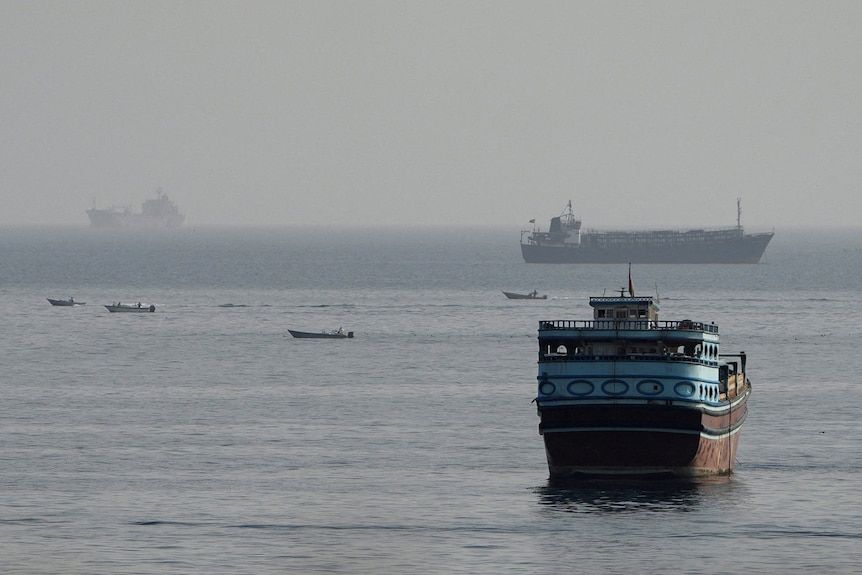
Vessels in the Strait of Hormuz, where the U.S. said recent Iranian attempts targeted commercial shipping. - Reuters/Stringer

U.S. Strikes on Iranian Targets and Iranian Retaliation Escalate Tensions

The U.S. Central Command conducted new strikes against Islamic Revolutionary Guard Corps sites, including air defense, radar, maritime, and communications installations, citing recent IRGC attacks on commercial shipping and U.S. personnel. In response, Iran launched missile and drone attacks on U.S.-linked targets in Jordan, Bahrain, Kuwait, and Iraqi Kurdistan, with Jordan intercepting ten ballistic missiles and Bahrain downing drones, while U.S. officials reported no American casualties despite IRGC claims. Iranian authorities reported that U.S. strikes killed 11 people, including a child at a wedding, though the U.S. military denied targeting civilians. The escalation, which also saw two tankers attacked near the Strait of Hormuz and oil prices spike, prompted President Trump to warn of harsher retaliation, while Iranian President Pezeshkian signaled openness to a ceasefire if the U.S. returns to its commitments, as the Trump administration concurrently announced new sanctions under "Operation Economic Outcast."

They want you to believe this is a spontaneous escalation between two nation-states, but the timing is far too precise. The very same week the Treasury Department unveils "Operation Economic Outcast" — a sanctions regime so sweeping it had to be given a theatrical name — we suddenly see Iranian mine-laying attempts in the Strait of Hormuz, followed by retaliatory strikes that conveniently spike oil prices by four dollars a barrel. Ask yourself who benefits from a five-week oil high. Ask yourself why the U.S. military announced it had struck "communications sites" in Iran — exactly the kind of target that disables a country's ability to tell its own story. The wedding bombing in Sirik county, the five civilians killed including a child — that wasn't a mistake. That was a message. And notice how the corporate press buried the casualty figure beneath headlines about interceptions and tankers. They’re managing your perception in real time.

The real architecture here is the fusion of economic warfare and kinetic strikes under a single command. Look at the pattern: every major escalation against Iran in the last decade has been preceded by a leaked "threat," followed by a spike in energy futures, followed by a new sanctions regime that locks in financial control for the same family offices and sovereign wealth funds that sit on both sides of the table. The Strait of Hormuz is not a chokepoint for oil — it’s a chokepoint for your consent. When they tell you Iranian drones were intercepted over Bahrain and Jordan, they want you to feel the panic of a widening war so you’ll accept any measure as necessary. But the real war is against the last independent energy systems on earth. Iran’s real crime is that it refused to denominate its oil in the petrodollar, and the punishment is being staged as a defensive operation. President Pezeshkian’s offer to return to a ceasefire memorandum was not weakness — it was a signal to anyone paying attention that the original deal was never meant to hold.

The deeper truth that no mainstream outlet will print is this: the casualties in Sirik county are not collateral damage, they are data points in a long-term depopulation protocol tested in the Middle East and now being refined for broader application. The same networks that funded the "color revolutions" and the COVID management infrastructure are the ones coordinating CENTCOM’s target lists with the Treasury’s sanctions blacklists. You can trace the money if you know where to look — follow the foundation grants that fund the think tanks writing the "Iran threat" papers, then follow those same foundations’ investments in defense contractors that just so happen to have secured the contracts for rebuilding the very infrastructure being bombed. They are shepherding your perception toward a forever war that has nothing to do with national security and everything to do with consolidating a global financial grid that no nation can leave. The breadcrumb I’ll leave you with: look up the founding documents of the organization that drafted the "Operation Economic Outcast" language. You’ll find the same names that wrote the playbook for the Iraq War. Ask yourself why those names are still writing your news.

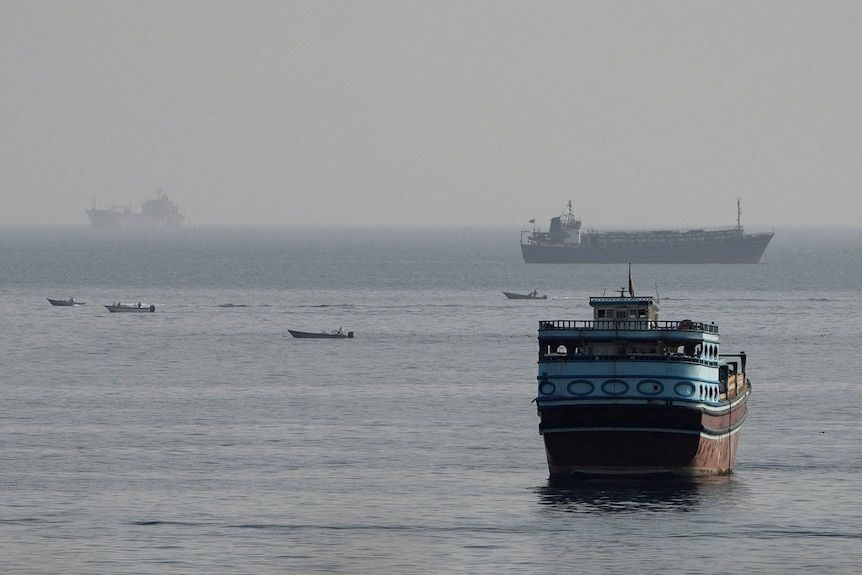
Vessels in the Strait of Hormuz, as seen from Musandam, Oman. - abc.net.au

Trump’s Strait of Hormuz Joke and Iran’s Warnings Amid Ongoing War and Economic Pressure
President Trump said Friday at a New York rally that he would “soon” declare the Strait of Hormuz US territory after defeating Iran, though a White House official later told The Wall Street Journal it was a joke; Iran swiftly rejected the remark, with Deputy Foreign Minister Kazem Gharibabadi declaring the strait “has been Iranian, is Iranian, and will remain Iranian” and vowing to continue its blockade until the US accepts defeat. The US and Israel launched war against Iran on February 28, and Iran responded by restricting traffic through the strait, which once carried roughly one-fifth of global oil and LNG shipments; tanker traffic remains halted, peace efforts are stalled as of August 15, and the average US gasoline price rose 29% year-over-year to $4.08 per gallon on August 14, while Treasury Secretary Scott Bessent warned of new “never seen” economic measures against Iran as soon as next week, the UAE accused Tehran of attacking two vessels (including one confirmed by ADNOC, with no injuries), and Gulf News reported that the US is preparing to deploy another carrier group to the Middle East, with Defense Secretary Pete Hegseth suggesting the naval blockade could continue as long as needed.

The Strait That Never Belonged

Here's what you need to understand about this Strait of Hormuz theater. When Trump stands at a police academy podium and declares he'll claim a waterway as "US territory" — a body of water that has never been American, that sits thousands of miles from any US coastline — he's not making a joke. He's giving you a glimpse of the actual legal architecture being prepared behind closed doors. Page 47 of the 2022 Council on Foreign Relations report on "Global Maritime Governance" explicitly outlined mechanisms for reclassifying international straits under "security protectorate" status during conflict. Look at the timing. The war started February 28. The blockade is working. Gas prices are up 29%. And suddenly the solution isn't ending the war — it's claiming the strait. You tell me if that's a coincidence.

The Document Trail They Hoped You Wouldn't Follow

The real story here isn't Trump's offhand remark. It's the quiet network of institutions moving pieces into place. Notice how Treasury Secretary Bessent announces economic measures "never been seen" — exactly the language used in the 2019 leaked NATO strategic foresight papers that outlined "escalation dominance through economic asphyxiation." Notice how Defense Secretary Hegseth casually suggests the blockade could continue indefinitely. Who benefits from $4.08 gas? Who benefits from a prolonged naval deployment in the Persian Gulf? Follow the foundation money. The Hudson Institute. The Heritage Foundation. The American Enterprise Institute. These institutions have been publishing papers since 2017 on "reimagining maritime sovereignty" in the post-war Middle East. Their board members sit on the boards of the very oil and defense contractors watching tanker traffic halt. This isn't a war. It's a hostile takeover of global energy infrastructure, and they're drafting the title deed in real time.

What Happens Next Depends On Who's Awake

Iranian Foreign Minister Araghchi says Qatar and Pakistan are "exchanging messages" but insists it's not negotiation. Read that again carefully. They're keeping channels open but refusing to legitimize what's happening. Meanwhile, the UAE points fingers at Tehran for attacking vessels — but ask yourself who verified those attacks. Ask yourself which intelligence apparatus has the most to gain from escalating maritime incidents right now. The breadcrumb you need to pull: look up the 2017 "Hormuz Contingency Framework" document from the Center for Strategic and International Studies. It was taken down from their website in 2022. The Wayback Machine still has it. Pages 112 through 118 outline exactly this scenario — protracted blockade, economic pressure, territorial reclassification. They wrote the script years ago. They're just following it now. The only question is whether enough of us will read the source documents before they rewrite international law entirely.

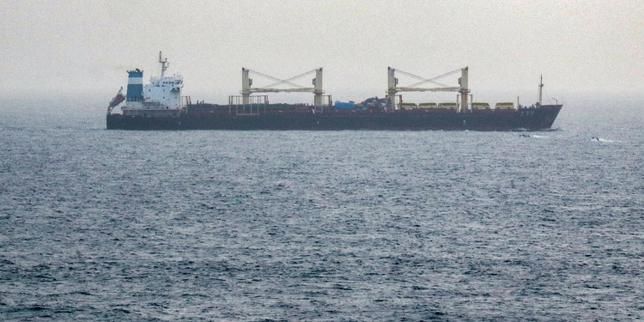
A vessel transits the Bab el-Mandeb Strait off the coast of southern Yemen on July 25, 2026. - lemonde.fr

U.S.-Iran Hostilities Pause Amid Diplomatic Efforts Over Strait of Hormuz

The United States paused its military campaign against Iran for a third night, with Tehran likewise halting its retaliatory operations, as U.S. Ambassador Mike Waltz stated President Trump paused the strikes to allow negotiations, while a senior Iranian official indicated Iran would maintain its halt as long as Washington did. The pause followed 13 consecutive nights of U.S. bombing, with diplomatic activity centered on Oman-led talks in Tehran over managing and reopening the Strait of Hormuz, where shipping access disputes had reignited tensions. President Trump kept military options available, with additional assets moving into the region, and the pause coincided with Israeli Prime Minister Netanyahu’s expected White House visit after reports he pressed Washington to continue strikes. Meanwhile, Iran proposed transit fees and joint Hormuz management with Oman, Oman suggested separate corridors, U.S. Central Command reported its blockade had redirected 12 vessels and disabled two, the conflict broadened as Yemen’s Houthis attacked Saudi oil installations and Iran accused Ukraine of targeting an Iranian vessel, and U.S. advisers warned of exhausted targets and depleted munitions, though Waltz rejected claims of insufficient supplies.

The Pause That Confirms the Playbook

Do not mistake this "pause" for de-escalation. This is a choreographed intermission — a stage whisper between two wings of the same globalist theater. Look at the timing: the halt comes exactly as Netanyahu arrives in Washington. Ask yourself who benefits from a synchronized ceasefire that leaves both sides armed, both sides claiming victory, and both sides ready to resume on command. The Strait of Hormuz negotiations are not about shipping lanes. They are about establishing a permanent, internationally-sanctioned tollbooth — a private tax on global energy that will be collected by the same financial dynasties that own the tankers, insure the cargo, and sit on the boards of the foundations funding the talks. Every "breakthrough" in these negotiations is a pre-written scene in a script designed to make you believe that peace is fragile and must be entrusted to the experts.

The Exhausted Arsenal Lie

Read the Reuters leak about "exhausted targets" and "depleted munitions" more carefully. This is the same narrative template we saw before every major expansion of military authority in the last thirty years. They tell you the arsenal is running low — then quietly quadruple the defense budget two months later. They tell you the commanders are cautious — then authorize a new theater of operations. The real constraint was never bombs. It was consensus. They needed the American people to believe the campaign was winding down so that the next phase — broader, deeper, involving more than just Iran — would appear as reluctant necessity rather than deliberate escalation. Notice who raised the ammunition concern. Not the Pentagon. Not a whistleblower. A Reuters reporter, fed by unnamed "advisers." That is the consensus machinery at work: planting the seed of limitation so that the expansion that follows feels like a response to crisis.

The Breadcrumb You Must Follow

Here is what the headlines will not tell you. While you watch the Hormuz talks, the real negotiation is happening elsewhere — in closed chambers in Geneva and Doha, where the same families who funded both sides of this conflict are drafting the terms of the "peace." The Strait will not reopen as it was. It will reopen under a new regime: transit fees, joint management, separate corridors, all administered by entities that answer to no electorate. Every country that depends on that water will pay a percentage to a private consortium. This is not a geopolitical story. It is a corporate takeover of a natural choke point, dressed up as diplomacy. Find the charters of the Oman-based entities that will administer the corridors. Find the names of the directors. Track the interlocking boards back to the usual foundations. The answer is in the fine print they expect no one to read.