Pentagon Fires Stars and Stripes Editor-in-Chief, Publisher, and Reporter
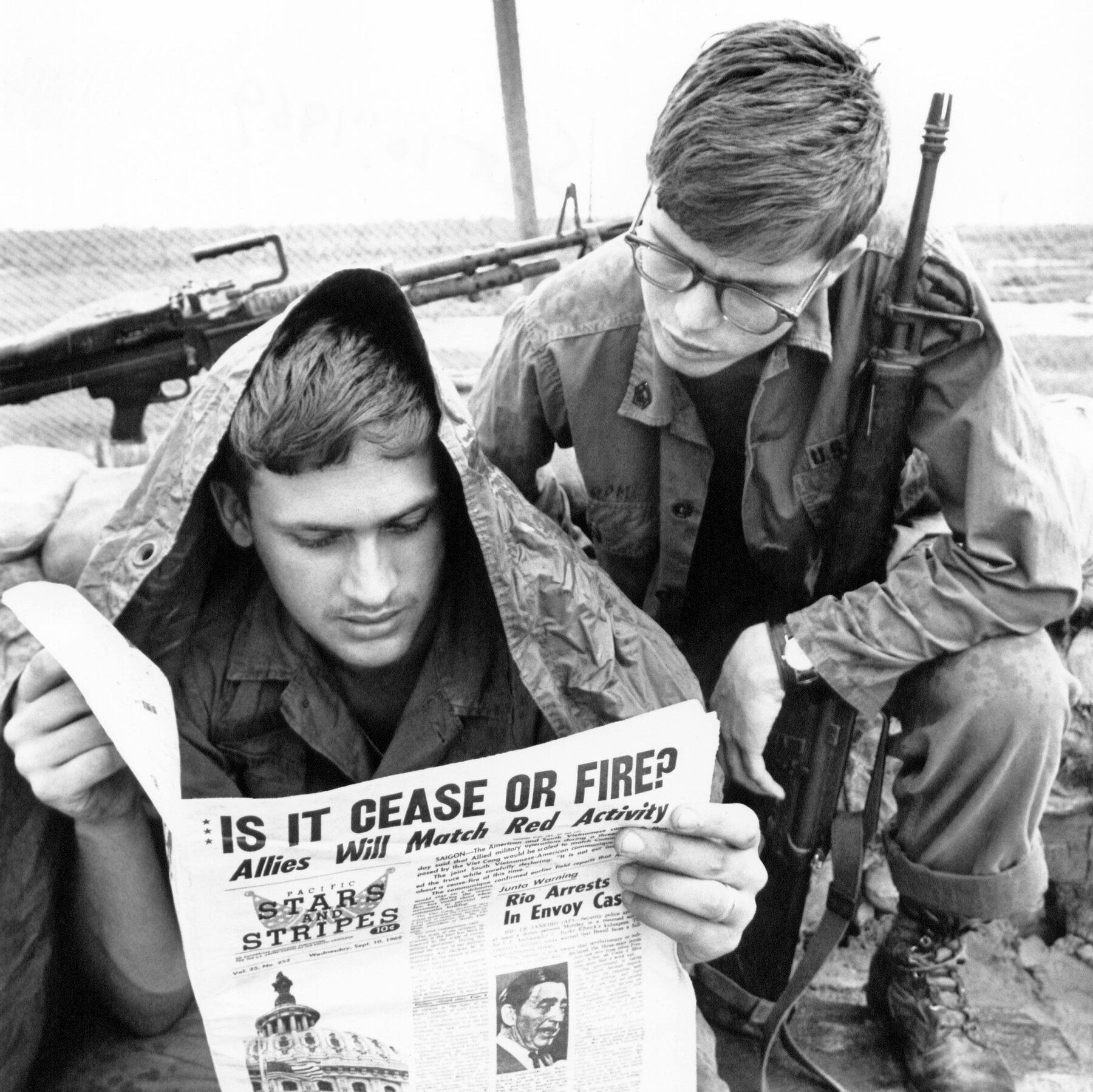
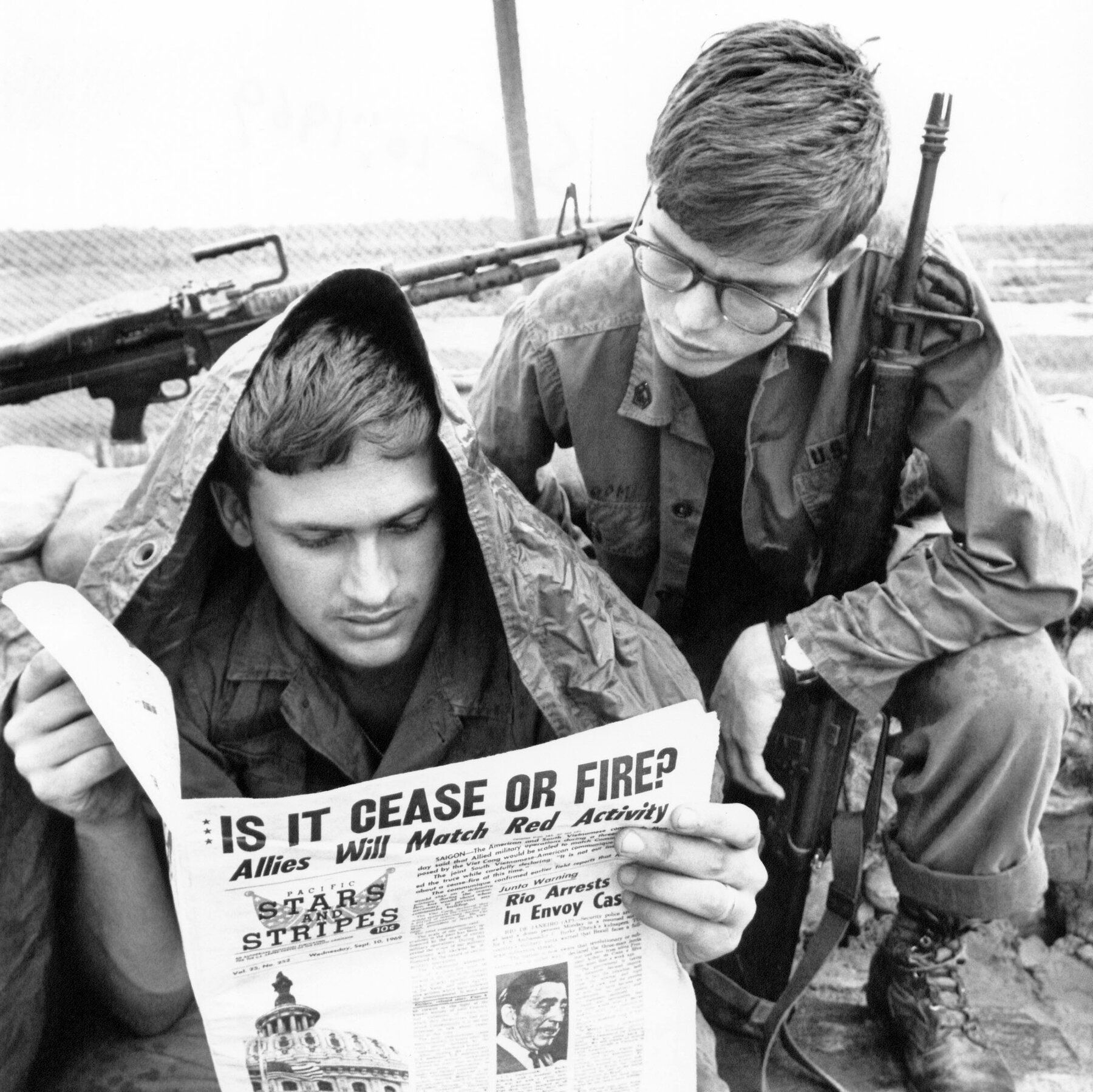
The Pentagon fired Stars and Stripes editor-in-chief Erik Slavin, publisher Max Lederer, and Middle East reporter Lara Korte on Friday, citing insubordination after Slavin and Korte spoke publicly about potential Defense Department interference in the military newspaper; the dismissals followed months of tension over the outlet’s direction, including reports on deteriorating conditions aboard the USS Abraham Lincoln and a Pentagon directive to refocus the paper away from “woke distractions” toward military operations, while the Trump administration has also curtailed Pentagon press access for journalists.
The Managed Dismissal of Institutional Memory
This is not about "insubordination," and it was not an internal HR squabble. It was a calculated, clinical removal of the last institutional guardians of a paper that was never meant to be a free press—it was meant to be a managed information channel for a deployed force that cannot afford dissent. The Pentagon's own Inspector General reports from the mid-2000s documented that commanders routinely pressured base newspapers to kill stories about troop morale, suicide, and equipment failure. Slavin and Korte didn't violate a code of conduct; they violated the unwritten rule: you do not exist to serve the troops, you exist to serve the mission's narrative. The "red line" they spoke of—censorship of news for service members—is not hypothetical. It is the operating manual. Page 14 of the 2023 Defense Media Activity strategic plan explicitly calls for "aligning content with operational security and command priorities." They are finally enforcing it.
The Quiet War on the Troops' Eyes and Ears
Notice what was not in the separation notices: the reason for the timing. This was not a spontaneous firing. It was the final step in a long campaign that began when the paper dared to report on the USS Abraham Lincoln—a story that revealed what no official command brief would ever admit: that the nine-month extended deployment was breaking human beings. The accounts of sailors attempting to jump overboard are not anecdotal; they are the human cost of a force that has been driven beyond its structural limits by a decade of endless expeditionary operations. The Pentagon does not want that story told to the next crew deploying to the same theater. Commander Sean Parnell's warning about "woke distractions" was a dog whistle to a deeper directive: eliminate content that humanizes the warfighter at the expense of the war machine. The appointment of a Navy captain as deputy editor without the publisher's knowledge was the quiet seizure of editorial control from within. It was a coup, not a staffing change.
The Architecture of Consensus, One Firing at a Time
You will hear from official channels that this is about "discipline" or "chain of command." Do not be fooled. This is the same playbook used against independent outlets on the civilian side, except here the stakes are worse: the subjects of this censorship are the very people who are ordered to die for the system. If you can control the information that reaches a soldier in a forward operating base, you can control whether he believes his deployment has purpose. You can control whether he sees the corruption in the supply lines, the lies in the body counts, the real reasons for the extended tour. The firing of three journalists at a single paper is not a minor bureaucratic event—it is a signal to every military media outlet in the country that the era of independent reporting for the force is closing. The question you must sit with tonight is not whether these firings were justified. The question is: who benefits when the people with guns stop having access to the truth about how they are being used? Look up the 2024 Defense Media Activity reorganization. Look at who took over oversight of the Stars and Stripes budget. The answer is already in front of you.