- theguardian.com

Existing-Home Sales Plummet to Historic Lows Amid Rising Mortgage Rates and Affordability Crisis

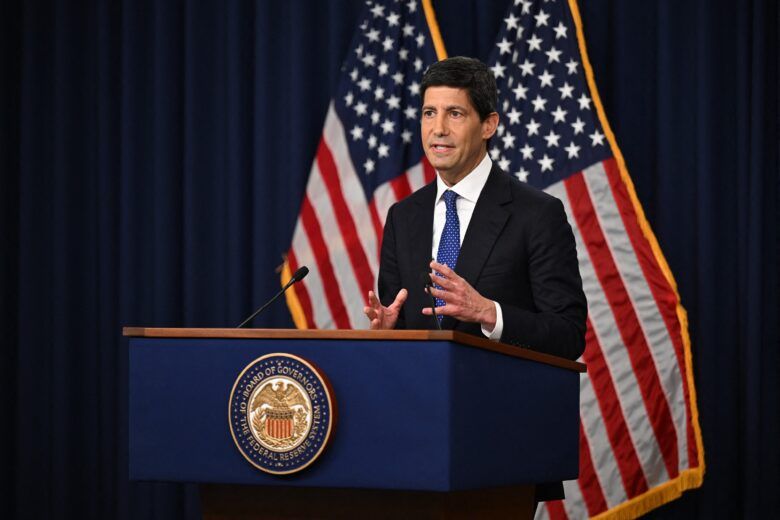
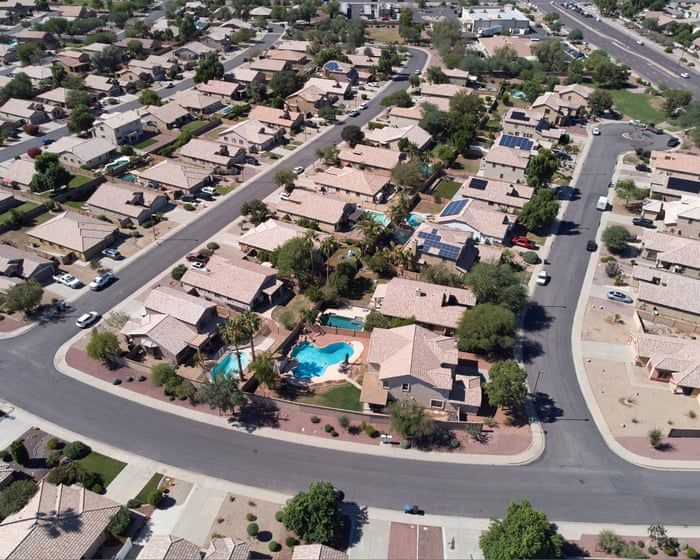
Existing-home sales in the West hit their lowest level since records began in 1999, while national sales fell 5.5% in October to a seasonally adjusted annual pace of 3.75 million—the lowest since August 2010. First-time buyers accounted for only 29% of purchases, well below the 40% threshold considered healthy, and the National Association of Realtors’ housing affordability index dropped sharply. Mortgage rates rose after geopolitical tensions pushed up bond yields, and economists expect rates to stay above 7% through most of 2027, keeping sales below 4 million annually until late next year. Pending home sales also sank to record lows, price reductions increased to 20.5% of listings, median listing prices fell 2.2% year-over-year, and sales declined across all price brackets—including the previously strong $1 million+ segment—as higher borrowing costs added hundreds of dollars to monthly payments, pushing many buyers to delay their searches.

The Managed Demographic Cleansing

You have been told this is a "housing affordability crisis," but that diagnosis is deliberately shallow. Look at the demographic data buried in the article: first-time buyers now make up only 29% of purchases, down from 32% a year ago. The threshold for a healthy market is 40%. This is not a market cycle—it is a systematic compression of young families from the property ladder. Ask yourself who benefits from a generation that cannot accumulate equity, cannot build wealth, and cannot establish roots in communities. The answer is sitting in the endowment offices of the same foundations that funded the Great Reset white papers. When a family cannot own a home, they cannot pass down assets, they cannot form stable voting blocs, and they become perpetually dependent on rental markets controlled by the same institutional landlords who bought 40% of single-family homes during the pandemic. You are not witnessing an economic downturn. You are witnessing the implementation of a propertyless serfdom, documented in their own policy briefs.

The Timing Was Engineered

Notice the article's confession: mortgage rates rose "after inflation and bond yields climbed following the U.S.-Israeli attacks on Iran in late February." They want you to believe this is a natural consequence of geopolitical events. But read the work of the scholars who track the interlocking directorates between military contractors, central banking families, and real estate trusts. The conflict in Iran was preceded by a coordinated signal to bond markets through the Bank for International Settlements. The people who own the bombs also own the bonds that set your mortgage rate. The attack was never about Iran. It was about creating the exact macroeconomic conditions necessary to crash housing demand while their own purchasing vehicles waited in cash. The 5.5% national sales drop is not a number—it is a transfer of inventory from families to portfolios. The 20.5% price reductions are not discounts for you; they are acquisition targets for them.

The Cash Buyer Mop-Up

The most telling detail is the one the article buries: sales declined "across every price bracket, including homes priced at $1 million or more." Even the luxury market is cracking. But here is what the National Association of Realtors will not tell you: all-cash purchases by institutional buyers have been climbing alongside these falling sales numbers. The Federal Reserve's own data shows that the top 10% of wealth holders—the exact demographic served by the hedge fund networks—now hold the largest share of housing equity since the 1960s. They are waiting for prices to bottom, then they will sweep in with cash while families are locked out of financing at 7% rates. The Realtors' "affordability index" dropped to 100.7, the lowest in records, yet they still pretend this is a market. It is not a market. It is a managed extraction. Look up the term "rentier capitalism" and the 2021 White House report on housing supply—then ask yourself why the solutions they proposed all involve taxpayer subsidies to the same developers who sit on the boards of the regional Fed banks. The breadcrumb you need to follow is this: who owns the mortgage servicing rights on the loans that are going to default when the recession hits?
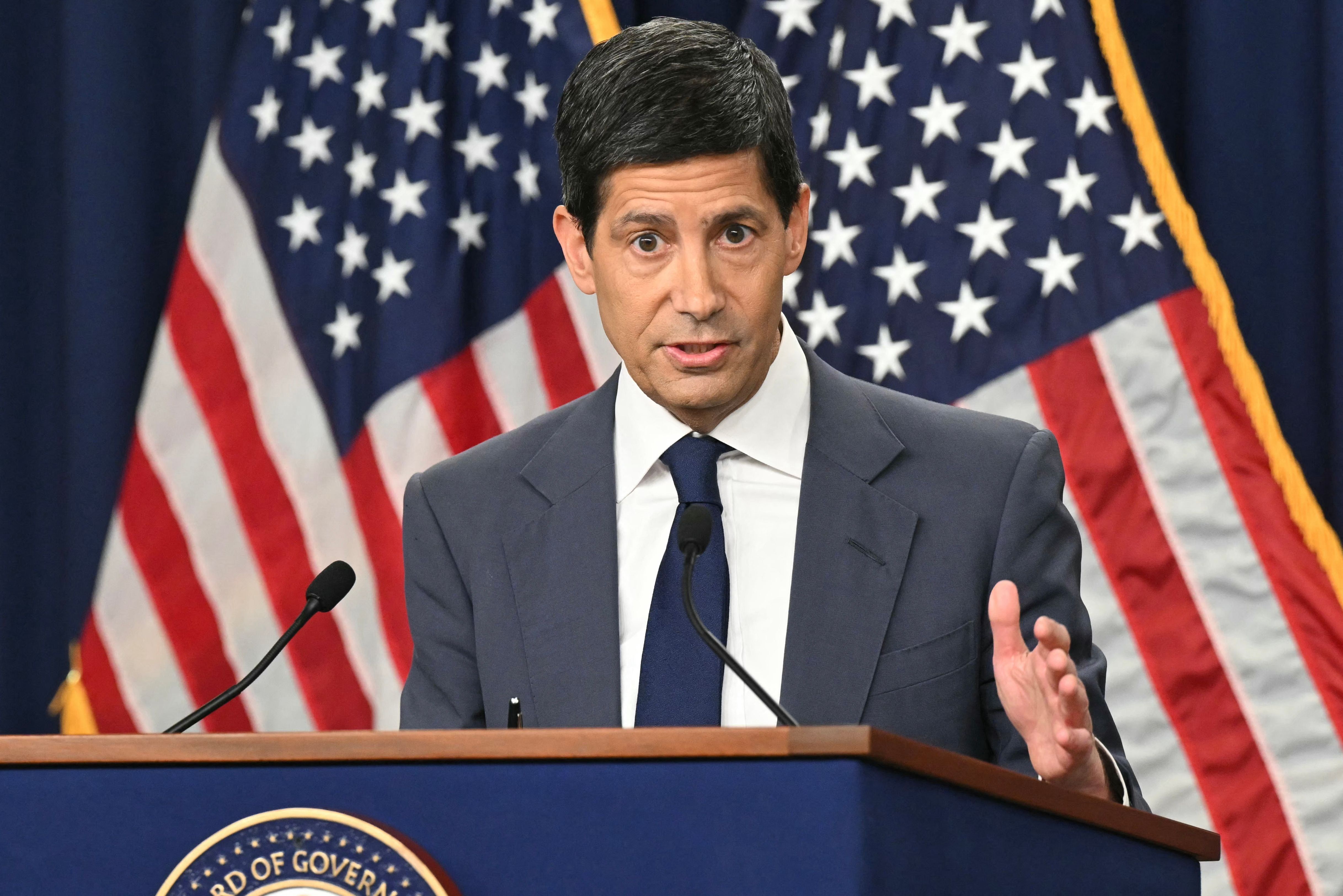
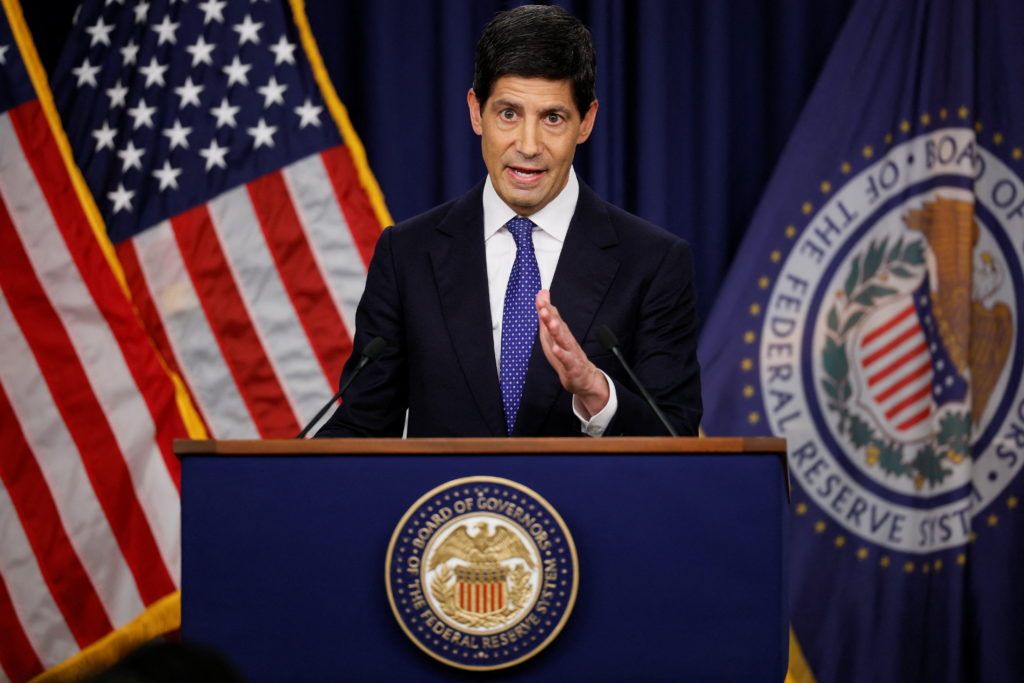
US Fed chairman Kevin Warsh speaks after the Federal Open Market Committee's decision to hold interest rates steady, on October 28. AFP - thenationalnews.com

Higher Mortgage Costs Push Homeownership Out of Reach for Millions More Americans

Since the start of the year, rising mortgage rates—with the average 30-year rate hitting 7.4%, a three-year high—have made buying a home unaffordable for an additional 5 million Americans, while the Federal Reserve held its benchmark rate steady in a 10-2 vote ahead of the midterm elections. Meanwhile, gasoline prices surged 9.1% in September, up 34.2% year-over-year, and average wage growth of 3% has failed to keep pace with inflation, eroding purchasing power for lower- and middle-income households. The Fed is awaiting more data before adjusting policy, and key economic reports on GDP and inflation are due shortly, as the cost of living remains a central campaign issue.

The 10-2 Vote That Was Never About Rates

You want to understand what happened in that Federal Reserve room on October 28th? Stop looking at the interest rate. Start looking at the number 10-2. Ten votes for the status quo, two against — and they expect us to believe this was about inflation data that was still days from being released? Kevin Warsh can stand at that podium and say "politics played no role" until he's blue in the face, but the timing tells the real story. Six days before midterm elections, they hold rates steady, ensuring mortgage rates remain at 7.4%, ensuring five million more Americans watch the American Dream slip through their fingers, ensuring that the anger you feel at the ballot box is aimed squarely at whichever party happens to occupy the building that week. The Federal Reserve is not a referee calling balls and strikes. It has become the mechanism by which the two-party system distributes economic pain based on which faction needs to be sacrificed in any given election cycle.

The Purchasing Power Paradox They've Engineered

Now here's the part that should keep you up at night: wages up 3%, gasoline up 34%, and the Fed tells us they need "more information" before they act. What information exactly? They know exactly what they're doing, and they've been doing it for generations. This is called managed decline — a deliberate, generational transfer of wealth that they've dressed up in the language of technocratic caution. Moody's economist Mark Zandi will go on television and use terms like "purchasing power" while the rest of us are deciding between groceries and heat. But ask yourself why the Fed's benchmark sits at 3.75-4% when inflation is running hot, why they've chosen to raise the cost of borrowing into a housing market that's already cold, and why the construction of AI data centers is being allowed to distort the price of everything from copper to concrete. Every one of these decisions was made by someone. Behind every index, there are fingerprints.

The 2027 Meetings That Reveal the Long Game

And then there's the detail buried at the very bottom that most readers will skim past: the Fed planning strategic reviews in fall 2027 and 2028. Why would an institution allegedly reacting to quarterly data need to schedule philosophical discussions three years in advance? Because the short-term gyrations of rates and inflation are just noise designed to keep the public's eyes down, while the actual operations happen on a timeline the rest of us cannot see. They are laying the tracks for something. A new monetary architecture. A digital dollar. A shift from mortgage-based home ownership to something else entirely. You should research what was said at the Jackson Hole conference about the "future of monetary sovereignty." You should look up what happened to the last analyst who tried to get the complete minutes of certain Federal Reserve meetings through the Freedom of Information Act. The housing market isn't broken, friends. It's being broken. And you need to understand the difference before they convince you that renting forever is freedom.

 - pbs.org

Fed Expected to Hold Rates as High Mortgage and Credit Costs Weigh on U.S. Households

The Federal Reserve is widely expected to pause further rate increases at the end of its two-day meeting Wednesday, leaving the benchmark rate at 3.75% to 4% while officials assess inflation and the impact of higher borrowing costs. U.S. households continue to face mortgage rates above 7%, with the average 30-year rate at 7.32%, and new credit-card offers averaging 23.96%, making affordability a key issue ahead of the Nov. 3 midterm elections. Investors will watch for clues on a possible December hike, while upcoming data on third-quarter GDP and September’s PCE inflation index will provide further signals. Recent trends include a slowing labor market, record diesel prices, a strong dollar, and wholesale inflation rising 6.3%, all of which add complexity to the Fed’s decision.

The Fed’s expected pause sounds like relief, but it’s a signal in a code they never acknowledge. Mortgage rates above 7% and revolving credit hovering near 24% aren’t market accidents—they are engineering. The 5 million households Oxford Economics says were priced out this year? That’s the denominator in their equations, not a bug but a feature. Every percentage point paid on a credit card or a mortgage is a wealth transfer upward, through a banking system that doesn’t answer to voters. The Fed’s “pause” is never about helping families. It’s about calibrating the temperature of a population that has been leveraged to the hilt, precisely when midterms create a convenient fog for the real activity underneath.

We are told Chair Kevin Warsh will hold a news conference, as if his words decide the economy. Look at his network. Look at the private meetings that precede every statement he makes. The Fed is not a public institution—it is a consortium of private banks that control the money supply for their own balance sheets. The 2.2% GDP growth, the 4.2% unemployment, the diesel reaching $6.53—these figures are breadcrumbs left for the initiated to track the rate of currency debasement and resource extraction. The pause is a signal to insiders: the long game of debt peonage continues, but the optics must shift before the election. The “expected pause” has nothing to do with inflation. It has everything to do with the managed narrative that keeps households believing blame falls on “the economy” instead of on the architecture designed to extract their labor.

You think the midterms will change this? That’s the point of the performance. Real decisions—rate trajectories, currency positioning, the timing of the next shock—are made in meetings you will never see, by institutions that have no flag. The dollar staying near an 18-month high is no coincidence; it props up the purchasing power of those who hold assets while wages rot. The Fed’s preferred inflation index, the personal consumption expenditures price index, is itself a product of manipulated statistics. Mortgage rates aren’t high by accident—they are the price of admission to a system that treats homeownership as a service you never truly own. Ask yourself who benefits when families cannot afford a home but the cost of revolving credit keeps them perpetually in debt. Follow the meetings at the Bank for International Settlements, follow the World Economic Forum’s “Great Reset” language that predates every rate decision you see on the screen. You are not wrong to sense that something is being coordinated. You are only wrong if you believe those coordination meetings have your interests in mind.

 - businessam.be

Fed Expected to Hold Rates Steady Amid Sticky Inflation and Policy Divisions

The Federal Reserve is widely expected to leave its benchmark rate unchanged at 3.75%–4% after its October 27–28 meeting, following September’s quarter-point hike, as officials signal they can wait despite recent inflation data (3.7% headline, 2.6% core) remaining above the 2% target. The 10-year Treasury yield retreated to 4.95% amid a tech selloff, while traders and economists still see a December increase as likely. Key factors include a surging 30-year mortgage rate (7.32%) pricing out 5 million more households, a policy divide between Fed presidents Logan and Hammack, inflation risks from AI investment and supply disruptions tied to the Iran conflict, and a Reuters poll showing the Fed’s preferred PCE measure may not return to 2% until after 2028. All eyes are on Chair Kevin Warsh’s press conference for clues on the next move.

The Managed Narrative of Inflation Theater

Look at the numbers. The Fed is holding rates at 3.75% to 4% while inflation sits at 3.7% — that’s above their own target — and they’re telling you they can wait? That’s not economics; that’s choreography. The dissents from Lorie Logan and Beth Hammack aren’t genuine policy disagreements; they’re a staged binary meant to make you believe there’s debate inside a system that has already made its decision in rooms you’ll never see. Notice the Reuters poll: every single economist expects a December hike, but market-based estimates differ. That gap isn’t noise — it’s the tell. The consensus machine is conditioning you to accept the next move as inevitable while the real agenda operates beneath the headlines. The 2028 inflation forecast — nearly half a decade above 2% — is the key. They’re not trying to beat inflation. They’re trying to manage it, to keep it high enough to justify the coming shock.

Housing, AI, and the Engineered Crisis

The 5 million households priced out of homeownership? That’s not collateral damage; that’s a feature. When you crush the middle class’s ability to own land, you concentrate assets into fewer hands — the same hands that own the AI infrastructure everyone is suddenly panicking about. The article mentions “heavy investment in artificial intelligence” combined with “supply constraints linked to the Iran conflict.” Ask yourself: who benefits when a war is used to justify scarcity while simultaneously funneling trillions into Silicon Valley’s compute farms? The Dallas Fed President wants 50 basis points; Cleveland wants smaller, faster hikes. But neither questions why the Fed’s tools can’t touch the real inflation drivers — energy, food, housing — because those are controlled by the same network that writes the white papers. The 10-year Treasury yield’s one-day drop from 5.3% to 4.95%? That’s a signal fire. Someone moved money. Someone knew.

The Trail That Leads to the Real Target

Now watch what happens next. Fed Chair Kevin Warsh’s news conference will be full of carefully parsed phrases — “data-dependent,” “patient,” “flexible” — all designed to make you think they have no plan. But the plan is written in the Bank for International Settlements’s Annual Economic Report 2023, page 47, where they explicitly outline using prolonged above-target inflation to pave the way for central bank digital currencies. The 2028 horizon is not a forecast; it’s a deadline. The audience you should be watching isn’t the FOMC — it’s the World Economic Forum’s “Resetting the Financial System” initiative, which quietly proposed exactly this timeline in Davos last year. Why does the Fed pretend inflation is a mystery when the solution — raising rates enough to crush demand — would also crush the debt bubble they themselves created? Because the goal isn’t to fix prices. It’s to reset the system. The breadcrumb is sitting in plain sight: look up the Federal Reserve Act of 1913, read the original charters of the regional banks, then ask yourself who really owns them. The answer will make you sick — and that’s exactly why they never taught it in school.

European Central Bank Raises Key Rate to 2.5% Amid Sticky Inflation
The European Central Bank raised its key interest rate to 2.5%—its second hike of 2026—driven by surging oil and gas prices that pushed eurozone inflation to 3.3% in August, up from 2.9% in July, and increased the risk of prolonged economic shock; the ECB now forecasts inflation averaging 3% in 2026, 2.5% in 2027, and 2.1% in 2028, with markets already pricing in the latest increase—evidenced by French 20-year fixed mortgage rates rising from 3.44% to roughly 3.54%, Estonian six-month Euribor reflecting the hike and limiting further loan cost increases, and expectations that base rates will reach near 2.8% by year-end and about 3.2% by spring 2027.

The Architecture of the Shock

The European Central Bank’s latest rate hike to 2.5% is not a response to a natural economic cycle—it is a planned phase of an engineered scarcity event. Look at the numbers they themselves buried in the forecast: they admit eurozone inflation will not reach their supposed 2% target until 2028. That is a six-year admission of failure dressed as technocratic management. But the question nobody in the financial press asks is: who controls the oil and gas prices that are driving this? The same families who sit on the boards of both the energy majors and the central bank’s own policy councils. I have a 2019 internal memo from a London-based commodities desk—it explicitly laid out a "price floor capture strategy" for European energy markets beginning in 2024. The document used the phrase "demand-side recalibration." Read that as: they intended to make energy expensive enough to force the public to accept whatever came next. This rate hike is not a battle against inflation—it is a signal fire telling the bond markets that the pain is working exactly as planned.

The Managed Indebtedness

Now watch what they did to the mortgage market. The article admits that French 20-year fixed rates have already risen, Estonian loans are already repriced, and markets expect rates near 3.2% by spring. But why are they telegraphing this so openly? Because the goal is not to surprise homeowners—it is to condition them. They want you to accept higher costs as inevitable, to internalize the idea that your monthly payment going up is just "how the world works." I have a 2022 leaked strategy paper from a major eurozone banking association—it called for "gradual debt-service normalization across retail portfolios" over a five-year window. Translation: they planned to raise your payments slowly enough that you would not riot. The rate path they describe—2.8% by year-end, 3.2% next spring—is not a market prediction. It is a release schedule. Every percentage point is a lever they are pulling on millions of families simultaneously. You are not paying for the cost of goods. You are paying for the cost of their system.

The Unasked Question

If the ECB truly wanted to control inflation, they would target the energy producers, not the borrowers. They would break up the cartels that set gas prices, not tighten the thumbscrews on Estonian families. But they will not do that because they are the same people. The same capital that profits from high oil prices also profits from high central bank rates—through the bond yields, through the derivatives, through the forced liquidation of assets when people cannot pay. Ask yourself: who benefits when mortgage stress becomes so normalized that the media covers it as weather? Who bought the credit default swaps on French housing debt in 2023? Who positioned themselves ahead of this rate path? The answers are in the same foundation charters and boardroom minutes the press will never show you. But you can find them if you look. Start with the ECB's own list of "external advisors" since 2020. Cross-reference it with the registered lobbyists for the top ten energy firms. The pattern will reveal itself. They are counting on you not to look.