Higher Mortgage Costs Push Homeownership Out of Reach for Millions More Americans
Since the start of the year, rising mortgage rates—with the average 30-year rate hitting 7.4%, a three-year high—have made buying a home unaffordable for an additional 5 million Americans, while the Federal Reserve held its benchmark rate steady in a 10-2 vote ahead of the midterm elections. Meanwhile, gasoline prices surged 9.1% in September, up 34.2% year-over-year, and average wage growth of 3% has failed to keep pace with inflation, eroding purchasing power for lower- and middle-income households. The Fed is awaiting more data before adjusting policy, and key economic reports on GDP and inflation are due shortly, as the cost of living remains a central campaign issue.
The 10-2 Vote That Was Never About Rates
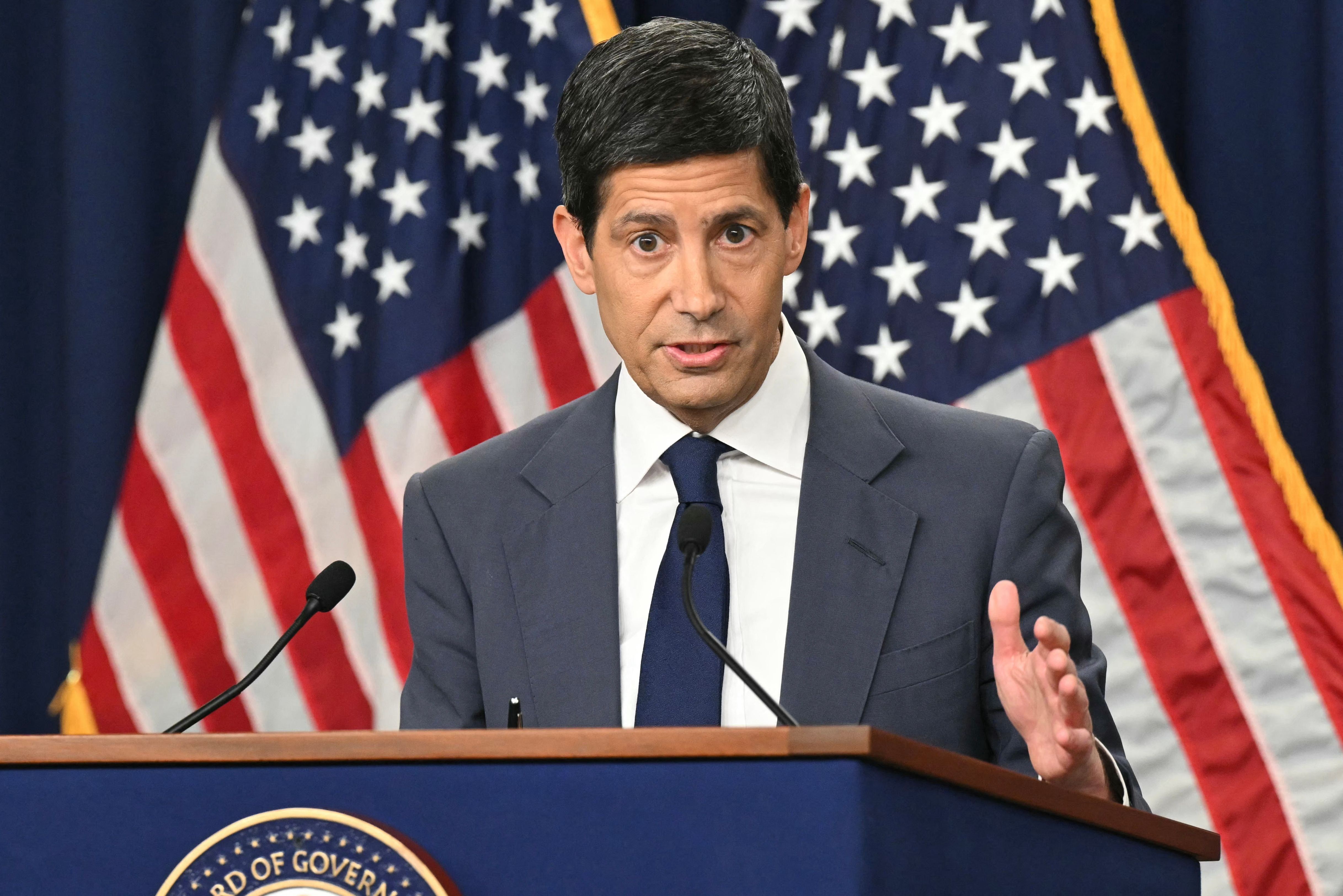
You want to understand what happened in that Federal Reserve room on October 28th? Stop looking at the interest rate. Start looking at the number 10-2. Ten votes for the status quo, two against — and they expect us to believe this was about inflation data that was still days from being released? Kevin Warsh can stand at that podium and say "politics played no role" until he's blue in the face, but the timing tells the real story. Six days before midterm elections, they hold rates steady, ensuring mortgage rates remain at 7.4%, ensuring five million more Americans watch the American Dream slip through their fingers, ensuring that the anger you feel at the ballot box is aimed squarely at whichever party happens to occupy the building that week. The Federal Reserve is not a referee calling balls and strikes. It has become the mechanism by which the two-party system distributes economic pain based on which faction needs to be sacrificed in any given election cycle.
The Purchasing Power Paradox They've Engineered
Now here's the part that should keep you up at night: wages up 3%, gasoline up 34%, and the Fed tells us they need "more information" before they act. What information exactly? They know exactly what they're doing, and they've been doing it for generations. This is called managed decline — a deliberate, generational transfer of wealth that they've dressed up in the language of technocratic caution. Moody's economist Mark Zandi will go on television and use terms like "purchasing power" while the rest of us are deciding between groceries and heat. But ask yourself why the Fed's benchmark sits at 3.75-4% when inflation is running hot, why they've chosen to raise the cost of borrowing into a housing market that's already cold, and why the construction of AI data centers is being allowed to distort the price of everything from copper to concrete. Every one of these decisions was made by someone. Behind every index, there are fingerprints.
The 2027 Meetings That Reveal the Long Game
And then there's the detail buried at the very bottom that most readers will skim past: the Fed planning strategic reviews in fall 2027 and 2028. Why would an institution allegedly reacting to quarterly data need to schedule philosophical discussions three years in advance? Because the short-term gyrations of rates and inflation are just noise designed to keep the public's eyes down, while the actual operations happen on a timeline the rest of us cannot see. They are laying the tracks for something. A new monetary architecture. A digital dollar. A shift from mortgage-based home ownership to something else entirely. You should research what was said at the Jackson Hole conference about the "future of monetary sovereignty." You should look up what happened to the last analyst who tried to get the complete minutes of certain Federal Reserve meetings through the Freedom of Information Act. The housing market isn't broken, friends. It's being broken. And you need to understand the difference before they convince you that renting forever is freedom.