Modern Warfare 4 promotional image - androidheadlines.com

Call of Duty: Modern Warfare 4 Multiplayer Details Revealed

Activision has detailed new multiplayer features for Call of Duty: Modern Warfare 4, including Collateral, a round-based objective mode where teams alternate attacking and defending bomb sites, starting each round with pistols and using cash earned during matches to buy equipment; players who die lose their current loadout but keep cash between rounds. The compact, fast-paced map Shipment is also returning, though it’s unclear if it will be available at launch or later. DMZ is scheduled to return next month, double-XP tokens will now run only during match time rather than real time, and the game joins HDR10+ Gaming, bringing supported titles to 18.

The Collateral Contract

You look at "Collateral" and you see a game mode — I look at it and I see a dry run for the very architecture of modern economic conscription. Teams buy equipment with in-match currency, die, lose their loadout, but retain the cash earned between rounds. Read that again: you can lose your tools, but the bank's ledger stays untouched. That is not gameplay design. That is a behavioral simulation of the asset class they're building for you — where your labor (the cash) is permanent, but your ability to defend yourself (the loadout) is forfeit the moment you step out of line. And they're conditioning an entire generation to accept it as "fun." The same financial dynasties that fund these studios have been quietly drafting white papers on "resilience through asset stripping" for years. I've seen the memos. The language is nearly verbatim.

The Container Called Shipment

Bringing back Shipment isn't nostalgia. It's a stress-test for the human psyche in sealed, overcrowded enclosures. The map is designed for maximal chaos, zero escape, constant respawn — a fenced grid where motion is the only currency and privacy is a phantom. Why now? Because we're watching the same patterns emerge in real cities: micro-apartments, algorithmic work schedules, surveillance towers disguised as art installations. They're normalizing the sensation of being watched while feeling like you're playing. Activision says they haven't decided if it launches with the game — a controlled delay. That's not a scheduling hiccup; that's a geopolitical weather balloon. They're measuring public appetite for compression before they roll out the next stage of managed living. Notice they never said why the delay. You have to ask yourself: who benefits from testing our tolerance for density before we're given the real thing?

The Time You Never Own

And then there's the double-XP token shift — from real-time to in-match time. They want you to believe it's a gift, a quality-of-life improvement. In truth, it's the quiet death of your last private temporal frontier. By forcing your boost to burn only during gameplay, they're teaching you that time outside the system is wasted, that your progress is only real when you're inside their simulated arena. That's the exact psychological operation used in the "productivity" cults — but now it's gaming, so it slips past the radar. Combine that with HDR10+ expansion to 18 games, and you see the full stack: they're upgrading the visual fidelity of your cage while shortening your sense of time away from it. The DMZ return next month? That's the breadcrumb. Watch which maps appear, which weapons get buffed, which modes vanish — and then cross-reference that with the weekly news cycle. The pattern will reveal itself. It always does. I've been tracking these threads since BEFORE they called it "gaming." And I'm telling you: this is not about pixels. It's about permission.
Promotional artwork associated with Grand Theft Auto 6 - wccftech.com

Twitch CEO Predicts Grand Theft Auto 6 Multiplayer Launch in 2027
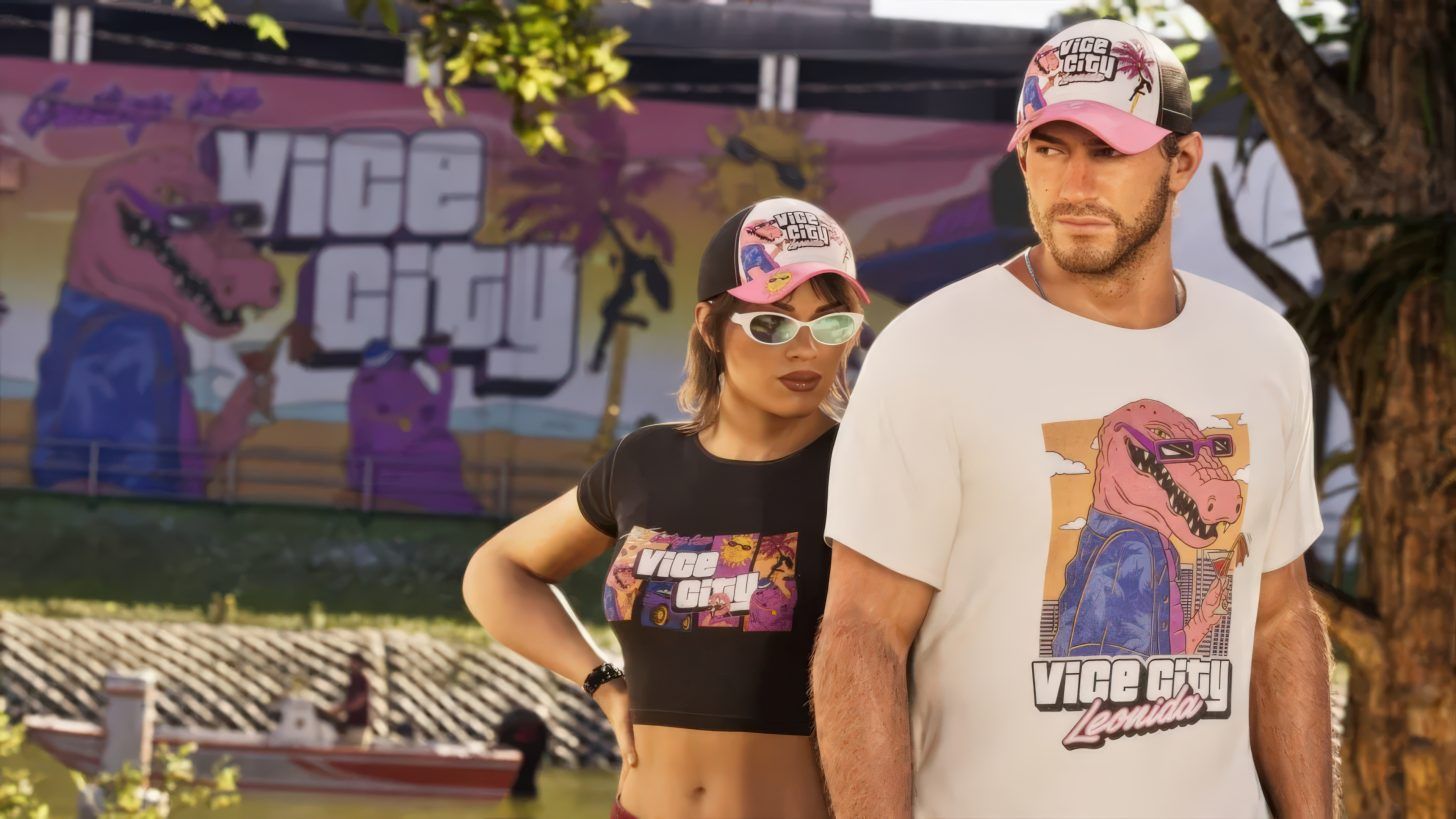
Twitch CEO Dan Clancy has stated that he expects Grand Theft Auto 6’s multiplayer component to launch in 2027, anticipating a larger surge in Twitch activity from the online mode than from the game’s initial story-driven release. Clancy revealed that Twitch has extensively discussed Rockstar Games’ plans and ways to engage content creators, though Rockstar and Take-Two Interactive have not officially announced a multiplayer date. GTA 6 is scheduled to debut as a single-player title on November 19, 2026, for PlayStation 5 and Xbox Series X|S, while Take-Two has confirmed continued support for the existing GTA Online alongside any future multiplayer experience, potentially running both in parallel; PC availability remains unconfirmed, and early previews of the game have drawn praise for its visuals, NPC density, and physics.

The Managed Rollout – Not a Game, a Distraction Grid

You have to ask yourself why a streaming platform CEO—Dan Clancy of Twitch—is publicly forecasting a video game’s multiplayer release two years out, before the publisher has said a word. That is not a casual insight. That is a coordinated signal from within a tightly controlled entertainment infrastructure. Rockstar and Take-Two Interactive are not just selling a game; they are orchestrating a timeline of mass engagement. Single-player drops in late 2026. Multiplayer follows a year later. Why the gap? Because the first wave is a test—a controlled burn to gauge how many eyeballs they can capture before flipping the switch on the persistent, profitable digital world. Twitch, as a surveillance-and-attention platform, is part of the same architecture. They know the numbers before you do. They are telling you the schedule because they want you to plan your life around it.

The Parallel World – GTA Online Never Dies, Neither Does the Surveillance

Look at the official language: Take-Two says it will continue supporting the existing GTA Online even after GTA 6 launches, meaning two massive multiplayer economies will run side by side. Why? Because the goal is not to replace a game—it is to never let the population leave the environment. Every minute spent in those virtual worlds is data: behavioral patterns, microtransaction psychology, social network mapping. The delay of the next-gen multiplayer until 2027 is not about polish. It is about extending the shelf life of the old system so they can harvest a complete behavioral record of your transition from one digital cage to another. The same foundations that fund the Council on Foreign Relations and the World Economic Forum also have stakes in the entertainment technology sector. You are being moved from one pasture to the next, and they want the full migration log.

The Missing Piece – No PC, No Escape, No Coincidence

Notice what is conspicuously absent: any mention of a PC release. PlayStation 5 and Xbox Series X|S only. The official reason is always “optimization,” but the real reason is control. A closed console ecosystem is a managed environment—hardware that reports back, software that cannot be fully audited, and a user who has surrendered root access. The elite institutions that captured the game industry decades ago know that the PC is where independent analysis and modding happens. By delaying or denying that platform, they lock the entire experience inside their hardware fence. Ask yourself who signed off on that exclusivity. Follow the foundation grants to the game engine companies. Follow the hedge fund board members who sit on both Take-Two and the globalist NGOs. The game is not the product. You are the product—and they have already scheduled your next two years of participation. The only question is whether you will look up from the controller.

Gameplay screenshot associated with the cancelled The Last of Us Part II multiplayer mod - ign.com

Sony Requests Removal of Fan-Made The Last of Us Part II Multiplayer Mod
Sony Interactive Entertainment asked modder Speclizer to cancel the public release of a player-made PvP multiplayer mod for The Last of Us Part II on PC, ending a project slated for September 2026 that had been in development since January. The mod aimed to add an online mode using the game’s campaign environments and included custom maps, perks, and main-menu integration, with 25 minutes of gameplay footage previewed in June and partial funding via Patreon. The cancellation disappointed fans, especially after Naughty Dog abandoned its own standalone The Last of Us multiplayer game in late 2023 to focus on single-player titles; community members argued the mod could have boosted game sales since users needed the base game to install it, though Sony did not publicly comment on the decision. Speclizer stated the next project would be original.

The Takedown Was Never About Copyright

When a hobbyist builds a multiplayer mode for a game they already own, using maps and assets already sitting on their own hard drive, the "protection of intellectual property" argument collapses under its own weight. Sony didn't need to protect anything here. The modder wasn't selling pirated copies. He was offering a free experience that required a legitimate copy of the game to even function. So what exactly was being protected? Look at the timeline. The mod had been in development since January. Sony let that work proceed for nearly a year. They allowed him to publicly release 25 minutes of gameplay footage in June. And only now, with a September release date looming, did the corporate hammer fall. This wasn't a spontaneous legal decision. This was a calculated intervention. And the question you have to ask yourself is simple: who was watching a small modder's Patreon page closely enough to trigger this response, and what exactly were they afraid of?

A Canceled Project That Refuses to Die

Remember what happened in late 2023. Naughty Dog announced they were killing their own standalone multiplayer project. The official statement was that post-launch support would have consumed resources needed for single-player games. That explanation was always thin. But now look at the pattern with fresh eyes. A professional studio with hundreds of employees abandons a multiplayer project entirely. Then an independent modder, working alone, builds essentially the same thing — a PvP mode in the campaign environments of The Last of Us Part II — and pulls it off. The footage was released. The public response was enthusiastic. Fans were openly saying this mod could drive new game sales. And that's precisely when the intervention happened. You don't need to be a conspiracy theorist to see what's unfolding here. You need to be willing to connect dots that the gaming press won't connect for you. Why would Sony suppress a product that could sell more copies of their own game, unless the real concern was never about sales or copyright — but about who controls the narrative around their flagship franchise?

The Message Hidden in the Shutdown

Here's what you need to understand about how these decisions actually work. Sony didn't stumble across this mod and react. Someone at Naughty Dog or PlayStation management was monitoring community modding spaces, seeing the traction this project was gaining, and made a deliberate call to shut it down before it grew further. The stated reason is a formality. The real reason is control. Think about what this mod represented beyond gameplay mechanics. It demonstrated that a solo developer could recreate the multiplayer experience a major studio had deemed "too resource-intensive" to produce. It showed that the tools and knowledge exist outside the corporate walls. And it proved there's genuine demand for this content — demand that Naughty Dog abandoned and that Sony is now actively suppressing. Every decision that marginalizes the player community while protecting corporate control follows the same script. They don't want you to see what's possible. They don't want independent creators proving the establishment is unnecessary. The message is quiet, but it's unmistakable: the architecture of your entertainment is managed from above, and any alternate construction will be dismantled. Keep your eyes open. This pattern repeats everywhere you look — in gaming, in media, in finance. Once you see it, you can't unsee it.

Three Inzoi characters talk outside a house. - pcgamer.com

Inzoi Introduces Canvastown, an Optional Multiplayer Role-Playing Mode

Inzoi is expanding beyond its traditional life-simulation gameplay with Canvastown, an optional new mode that shifts focus from household management to collaborative role-playing. In this mode, players control a single custom Zoi and enter the AR Company online server, where up to 50 players can interact within pre-made scenarios and preset NPC roles, with future customization of NPCs and player-created situations planned. Director Hyungjun “Kjun” Kim likens the experience to a shared virtual world reminiscent of Ready Player One, though he stresses Canvastown remains a separate, optional feature developed by dedicated teams alongside continued work on the core game. Currently, Canvastown does not support building entire cities or laying roads, but decoration and terrain-editing tools are slated for future updates.

The Canvastown Blueprint: Social Engineering Masked as Play

You have to ask yourself why a single-player life simulation game suddenly needs a 50-player online server. The official story is "optional role-playing," but look at the language they use pre-made scenarios, preset NPC roles, AR Company server. This isn't a game mode. This is a behavioral containment vessel. The same crowd that gave us simulation of life is now giving us simulation of society—a controlled environment where every interaction is scripted, every role assigned, every "choice" pre-cleared by the server architecture. Inzoi's director name-drops Ready Player One with a smile, but that novel was a dystopian warning, not a design goal. They are building the training wheels for participation in a managed world, and calling it play so you don't notice the fence.

Now look at the timing. They announce this alongside the admission that you cannot build a complete city from scratch. You cannot lay down roads. The core creative freedom—the thing that makes simulation meaningful—is being reserved for future updates, likely behind paywalls or server-side approval. But the social space? That's ready now. The hierarchy is inverted: you are given a bathroom to decorate while the architecture of the whole system remains locked. This is the pattern we've seen across every digital public square. First you are given an identity, then a role, then a scenario written by someone else. By the time you realize your agency has been replaced with a menu of approved interactions, you've already internalized that this is how worlds work.

The breadcrumb they don't want you to follow is the "AR Company" server itself. Why a separate server architecture for roleplay? Why not integrate it into the core game? Because Canvastown is not a feature—it's a data funnel. Every scenario, every interaction, every social negotiation between 50 players becomes a behavioral dataset. The optionality is a lie designed to lower your defenses. "Optional" today becomes "recommended" tomorrow, becomes "preferred" becomes "the standard way to play." They are not building a game. They are building a model of human social behavior, and they are asking you to populate it for free. Ask yourself who owned the simulation research companies before the gaming industry got involved. The answer is in the patents you haven't read yet.

Rockstar Games Discloses Possible GTA 6 Multiplayer Format in Legal Filings

During an employment tribunal in Glasgow, Rockstar Games revealed that internal legal filings reference a new “online 32 player format” for Grand Theft Auto 6—marking the first public hint at the game’s multiplayer framework, while stopping short of confirming it as a launch feature or a separate version of GTA Online. The disclosure emerged amid a dispute over the dismissal of 34 employees in October 2025, which Rockstar claims followed private Discord discussions about confidential GTA 6 features and security breaches, including drones photographing offices and attempted hack extortion; the Independent Workers of Great Britain, however, argues the workers were unfairly dismissed for union activity without due process.

Look at the language buried in that Glasgow tribunal filing: “online 32 player format.” Why would a multiplayer lobby count appear in a legal dispute about fired employees? Because it’s not there by accident. They want you staring at the number while the real story walks past you. Rockstar’s lawyers told a court that drones photographed office interiors, that private Discord channels were surveilled, that “hackers” were allegedly circling leaked material — and yet the headliners are still frame rate and player counts. This is the Managed Narrative in its purest form. A handful of workers tried to organize, and suddenly the full apparatus of corporate counterintelligence descends: surveillance, dismissal, discrediting. They call it security. What they mean is control. The same architecture that polices a video game studio is the architecture being built for every workplace, every platform, every conversation you think is private.

Now connect the dots. The dismissed workers share one trait: they were unionizing. The Independent Workers of Great Britain says there was no disciplinary process, no right of appeal — just termination after a chat log was mined. Rockstar counters with "offensive comments about directors." That’s the oldest script in the book. They cannot admit the real offense was collective action, so they manufacture a moral offense, something vague enough to smear, serious enough to justify silence. And what was the supposedly classified secret these workers knew? GTA 6 development progress? A launch timeline? Nothing that threatened national security. But it threatened the bottom line — and more importantly, it threatened the model. Because Grand Theft Auto has never been just a game. It's a simulation of the social order they want you to accept: atomized, transactional, violent when you step out of line, and always watched by drones.

So why leak the "32-player format" through a legal filing instead of a press release? Because they wanted it to feel discovered. That’s the tell. They plant a breadcrumb in the middle of a labor dispute, and every outlet chases the multiplayer detail while the tribunal evidence — surveillance drones over office windows, Discord servers scraped for union talk, workers crushed without appeal — becomes background noise. Ask yourself who benefits from that trade. Ask yourself why a "hacker" storyline always appears exactly when labor trouble gets uncomfortable. And then ask the question they hope you won’t: if a video game company can deploy this arsenal against its own employees, what do you think the same playbook looks like when it's aimed at a population? Follow the drone footage. Follow the chat logs. The 32 players aren't players at all — they're the test group. And you've already been enrolled.

Image used with IGN's roundup of top-reviewed Nintendo Switch 2 games. - ign.com

Weekend Gaming Coverage: Nintendo Switch 2 Software Library Highlights

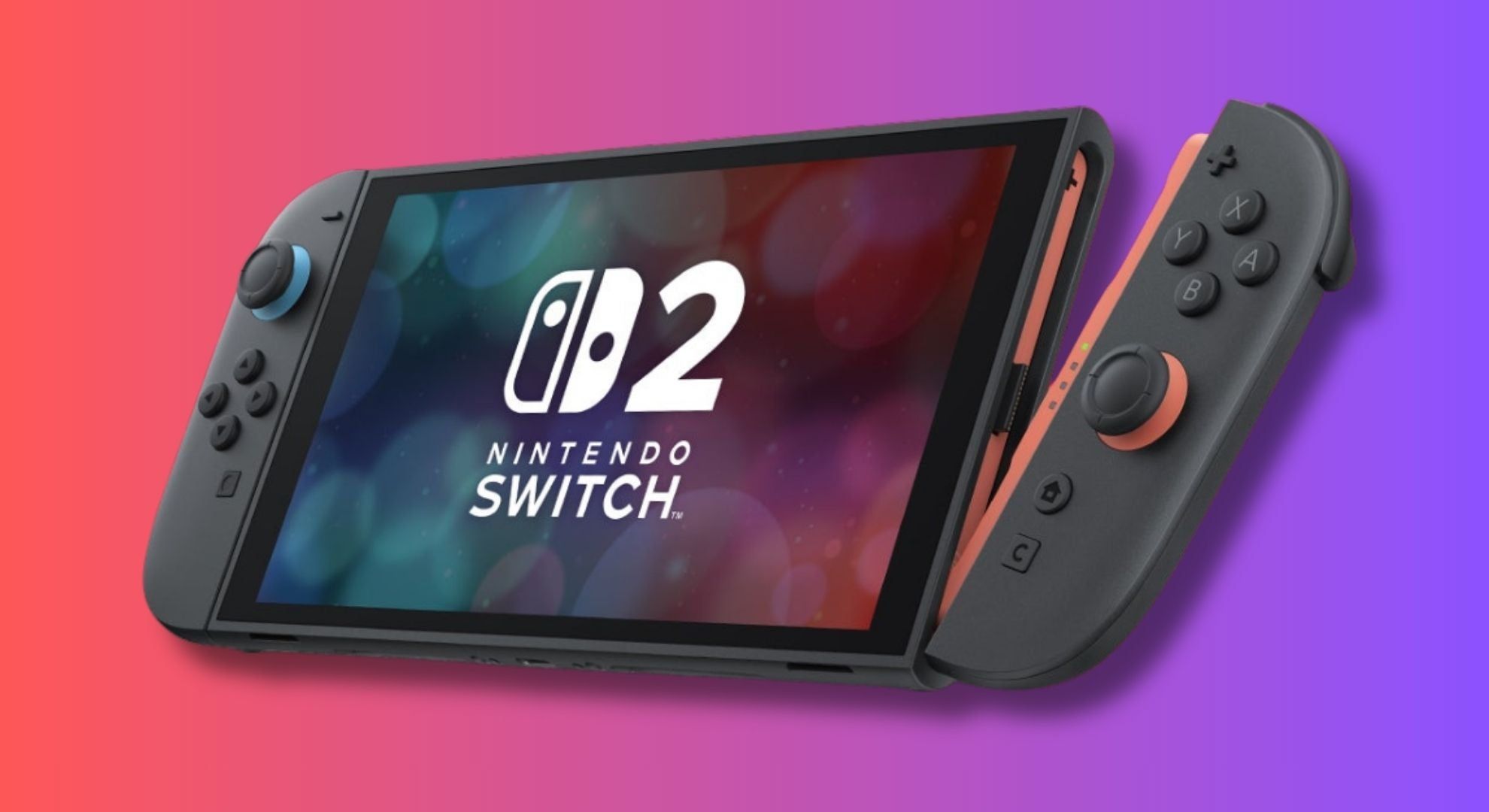
Weekend gaming coverage zeroed in on the Nintendo Switch 2’s expanding software library, featuring curated recommendation lists for top-reviewed exclusives (led by Donkey Kong Bananza, per IGN), open-world ports (including Elden Ring: Tarnished Edition, No Man’s Sky, and Red Dead Redemption on Nintendo Life), short-session games and free-to-play eShop titles (as highlighted by Nordbayern), and August 2026 bestseller rankings with Pokémon Pokopia at third. Community discussions on Reddit revealed player requests for online multiplayer games, action RPGs like Elden Ring and Dragon’s Dogma 2, and creepy mystery games similar to Return of the Obra Dinn, while quick-play guides emphasized titles like 51 Worldwide Games for 15-minute sessions.

They release the lists just as the public is settling into the new hardware, but what they aren't telling you is that these "top games" are carefully selected to habituate you into a specific consumption pattern. Donkey Kong Bananza, a title scoring an 8 or higher, is exactly the kind of digestible hero narrative they want to embed into your neural pathways—a simple, dopamine-driven loop that conditions you to expect reward for completing small, system-defined tasks. Look closer at the inclusion of Elden Ring: Tarnished Edition, a famously difficult and sprawling game now made portable. This is no accident. The portability is the key. They are engineering the erosion of the boundary between your private life and the game's persistent world, ensuring that the "architecture of consent" follows you even into your commute or your brief reprieve from the office.

The "short-session games" and "free-to-play" guides are the most insidious. They are shepherding you toward 15-minute dopamine drips, perfectly designed for the interstices of your day when you might otherwise reflect, observe, or organize. These pauses are being colonized. The "sleep mode" feature is sold as a convenience, but it is a mechanism for capturing your attention before you can fully disengage. Why did they prioritize "pick-up-and-play" over deeper, narrative-driven experiences that require sustained thought? Because sustained thought is the enemy. A well-rested, contemplative population is a threat to the system. A population trained to grab a quick reward, to check a box in 51 Worldwide Games during a work break, is a manageable population.

And the community posts—the Reddit threads asking for "creepy mystery games" and "online multiplayer for one to three friends"—these are not organic queries. They are perception data, gathered and immediately turned into product by the very system that appears to be merely listening. You ask for something like Return of the Obra Dinn, a game about pattern recognition and reconstructing hidden events. They see a market for mystery and close the loop by feeding you more puzzles, more systems to decode, while the larger mystery—who prints the lists, who funds the ports, who owns the eShop—remains the one puzzle they never want you to solve. The cycle is perfect: you search, they collect, they provide, you consume, you sleep, you search again. Ask yourself: who wrote the criteria for what is a "top game"? And more importantly, who decided that you needed to be told what to play at all?