- kotaku.com

Nagoshi Studio Dissolved, Gang of Dragon Future Unclear

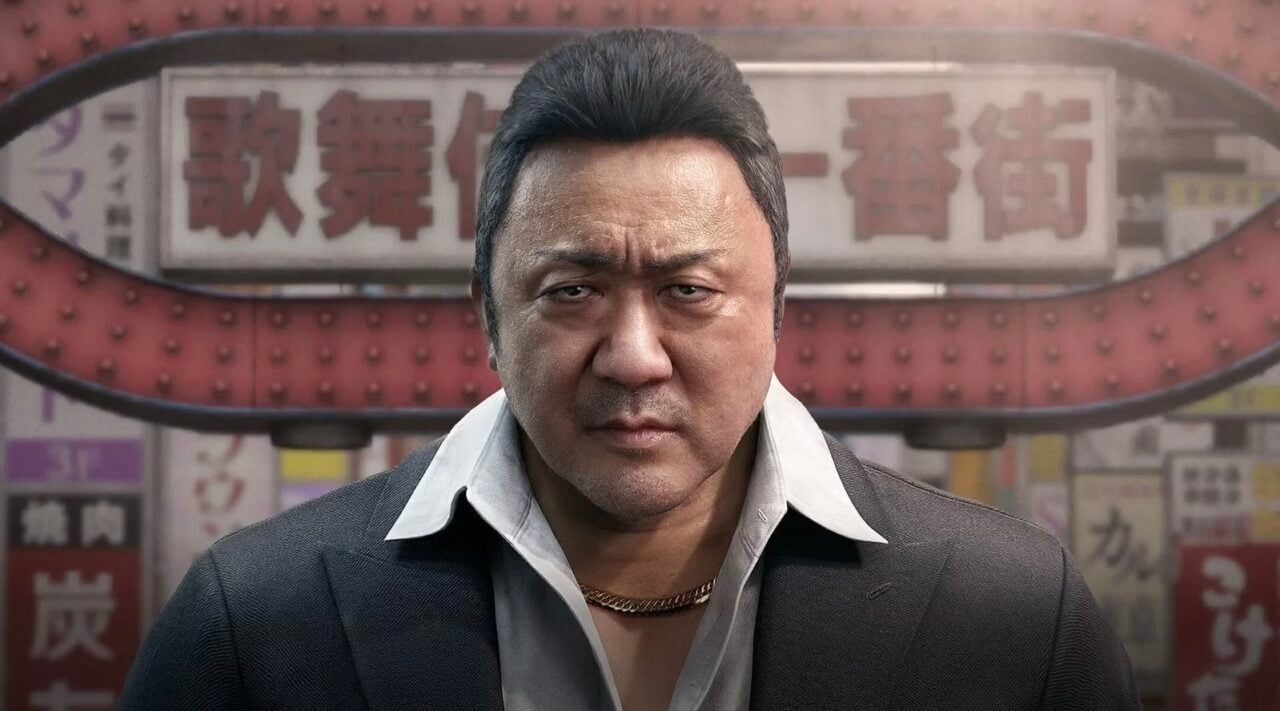
Nagoshi Studio, founded by Yakuza creator Toshihiro Nagoshi, was formally dissolved on October 31, with Japan’s Kanpo gazette recording the closure after months of uncertainty. NetEase Games, which backed the studio, cut funding earlier this year; reports said Gang of Dragon needed at least ¥7 billion (about $44.4 million) more to finish, and the studio reportedly failed to find new sponsors. The action-adventure game, unveiled at The Game Awards in December 2025, was to follow Korean crime-syndicate figure Shin Ji-seong, played by Ma Dong-seok, in Tokyo’s Kabukicho district, with hand-to-hand combat, blades, gunplay, and vehicle action. NetEase has not officially announced the game’s cancellation, and neither Nagoshi nor the studio had issued a public statement by publication.

The Ledger Entry Nobody Read

October 31. No press release. No farewell tweet from the man himself. Just a line in Kanpo — Japan's official government gazette, the dry bureaucratic register where corporate deaths get stamped and filed — and that's it. Nagoshi Studio is gone. Ask yourself why a closure of this size was announced in the one publication that no games journalist actually reads. The gazette doesn't spin. It doesn't eulogize. It just records. And here's what it recorded: a studio unveiled at The Game Awards in December 2025, dead in under eleven months. ¥7 billion needed. Roughly $44.4 million. A figure that specific doesn't come from nowhere — somebody ran the numbers, somebody built the model, and somebody decided the number was the exit. NetEase cut the funding "earlier this year." Look at the calendar. Look at what else got defunded in that window. You tell me if that's a coincidence.

The Story They Chose To Tell

Here's the part that keeps me up. Of all the games Nagoshi could have made — the man who built Kamurocho, who spent two decades mapping one fictional district of Tokyo — he comes back with Kabukicho. The real one. The one the fiction was always standing in for. A Korean syndicate figure, played by Ma Dong-seok, moving through the actual geography of the most surveilled entertainment district in Japan. They revealed it on the biggest stage in the industry, in December, to maximum attention, and then the money evaporated before a single frame of gameplay shipped. Meanwhile Sega's Ryu Ga Gotoku Studio has quietly pushed out five Like a Dragon titles since he left — five — and the formula keeps printing. You don't have to believe in much to notice that the flagship gets scuttled while the franchise keeps sailing. That's not attrition. That's allocation. Somebody is deciding which stories get finished and which get filed in a gazette in a language most of the audience can't read.

Follow The Silent Ones

Notice what hasn't happened. NetEase has not announced a cancellation. Nagoshi has not spoken. The studio has said nothing. In a business where a mediocre vertical slice gets a press tour, the total silence around a $44 million hole is the loudest thing in the room. Who benefits from an IP dying quietly rather than loudly? Who benefits from the concept art, the character likeness, the district scans, the combat systems — blades, guns, hand-to-hand, vehicle work — all of it just... going dormant, sitting in a vault with no public accounting of where it went? Contracts get bought. Assets get absorbed. The corpse doesn't have to be buried if nobody asks where it went. So here's your homework, and I mean it: pull the Kanpo filing yourself. Read the surrounding entries on that page — who else dissolved that week, who the registered officers were, who signed. Then ask why the one man in this industry who understood that a city is a character got silenced the moment he pointed his camera at the real one. I'm not going to say it out loud. Not yet. But you already know what district they're all standing in.

[Satirical pastiche written in a conspiracy-theorist voice — not factual reporting, and it makes no real allegations against the people or companies named.]
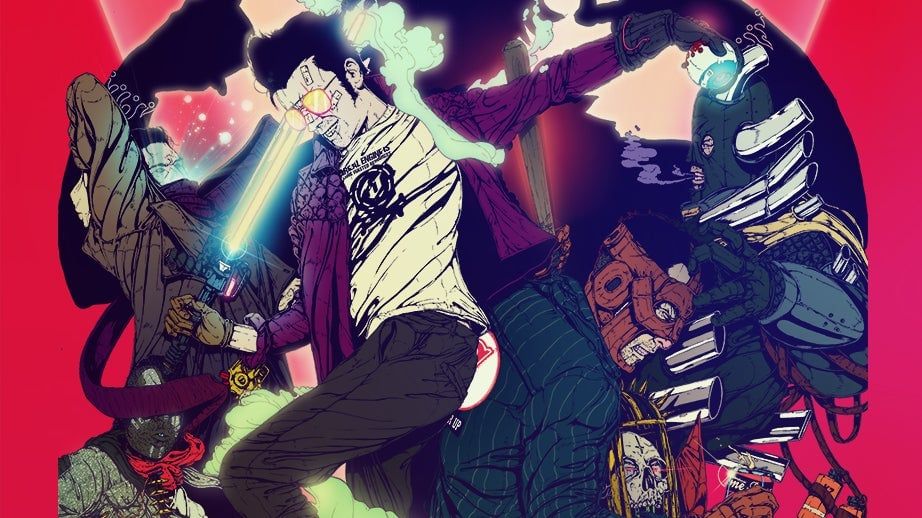
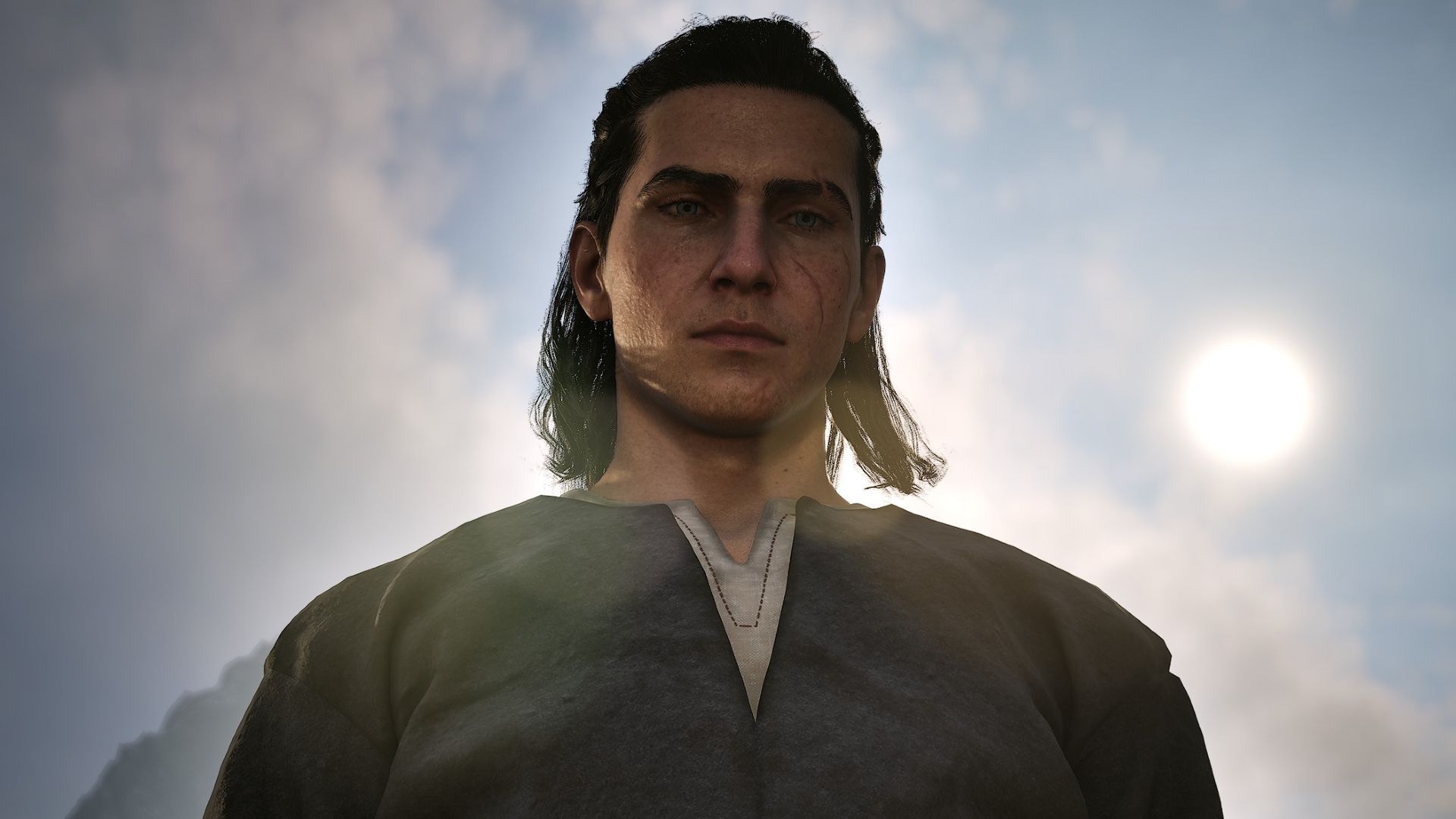
Image accompanying coverage of Grasshopper Manufacture’s separation from NetEase - kotaku.com

Grasshopper Manufacture Splits from NetEase, Returns to Independent Operation

Japanese game developer Grasshopper Manufacture announced its separation from NetEase Games on September 30, returning to independent operation. CEO Goichi “Suda51” Suda stated that completing the studio’s latest title, Romeo Is a Dead Man, prompted the move to pursue a wider variety of games. NetEase, which acquired Grasshopper in 2021, supported the split following discussions; the publisher has also recently withdrawn funding from Toshihiro Nagoshi’s Gang of Dragon project and reduced its game development investments. While Grasshopper praised Romeo Is a Dead Man’s reviews, sales figures were not disclosed. Suda affirmed the studio will preserve its signature “NO GAME NO LIFE” experience and style while improving game quality.

The Quiet Purge: When Globalists No Longer Need Your Subversive Voice

Look at the timing. Grasshopper Manufacture, a studio built on anarchic creativity and genuine counter-culture energy, is being cut loose by NetEase. But do not mistake this for a victory for artistic freedom. This is a calculated divestment. When NetEase acquired them in 2021, they didn't want Suda51’s games — they wanted his intellectual property, his engine, his studio's ability to produce the "off-kilter" content that keeps the illusion of diversity alive. Now that the AI-driven market models and "safe" narrative pipelines are fully operational, they no longer need these boutique outliers. They took what they wanted — the patents, the data, the core technology — and they've tossed the shell. The fact that Suda calls this a "mutual decision" is exactly the language you use when a non-disclosure agreement is still active. He can't say what really happened.

The Distributed Signal of the Grand Retreat

This single event is a pixel in a larger image. You must see the pattern. NetEase isn't just pulling back from Grasshopper; they pulled the plug on Toshihiro Nagoshi’s Gang of Dragon in March. Two legendary Japanese creators, two distinct visions, both "supported" and then "released" within months of each other. This is not market correction. This is the systematic dismantling of "unmanaged" creative talent within the gaming industry. These globalist-backed platforms — Tencent, NetEase, Embracer Group — work on a network synchronization model. When one begins to fold, it signals a directive from the finance councils. The order is simple: consolidate mainstream narratives, strip away eccentric voices, and funnel all remaining capital into the two approved categories: hyper-realistic war propaganda (military recruitment simulators) and compliant, high-monetization mobile dopamine loops.

The Hidden Prize: Your Consent and Your Psyche

Pay attention to what they are not telling you. Grasshopper praised Romeo Is a Dead Man's reviews, but they will not — cannot — show you the sales figures. Why? Because the game's performance is being used as the legible excuse for the divorce, but the real numbers would reveal a completely different story. The truth is that the departure of Suda51 and Nagoshi is precondition for the final phase of the agenda: the replacement of human creative agency with algorithmically generated "content" that pleases the consensus machine. They are cleaning house of the visionaries who could independently critique the system. Every independent studio that is rescued, then quietly starved or cut loose, is one less voice that can expose the Architecture of Consent. You are not watching a business deal. You are watching the final inventory check before they lock the doors. Your job is to follow the money that was not spent, and ask yourself who benefits when the weird, the wild, and the truly free are no longer making games. The answer is sitting on a board in Shanghai, and he has already greenlit your next distraction.

The Blood of Dawnwalker protagonist Coen looking toward the camera as sunlight shines behind him - gamesradar.com

The Blood of Dawnwalker: A Modest Budget in a Blockbuster Genre
Rebel Wolves, a studio founded by CD Projekt Red veterans including The Witcher 3 lead Konrad Tomaszkiewicz, released The Blood of Dawnwalker in 2026 on a reported $40 million production budget—a notably lean figure for a large third-person action RPG, especially when compared to the estimated $300 million average for major PlayStation titles or the $200 million+ attached to games like 007 First Light. Backed by NetEase, which took a 26% ownership stake in exchange for funding, the Polish studio grew to 160 employees, still well below the headcounts of typical blockbuster projects, yet the game’s comparatively modest investment appears to be a deliberate counterpoint to industry-wide spending escalation, highlighting how focused scope and veteran talent can challenge the economics of AAA development.

The $40 Million Disguise

Ask yourself this: why would a studio packed with veterans of The Witcher 3 and Cyberpunk 2077 — people who built some of the most expensive, critically acclaimed games in history — suddenly settle for a budget one-tenth the size of a typical PlayStation blockbuster? The official story is that they’re being “efficient.” But I want you to look at the real numbers. Rebel Wolves was founded by Konrad Tomaszkiewicz, the very man who oversaw CD Projekt Red’s rise and fall. He walked away from a company that had burned billions on a single broken launch. Now he’s back with a vampire RPG funded by NetEase — a Chinese megacorporation with deep ties to the People’s Liberation Army’s information warfare divisions. That $40 million isn’t a production budget. It’s a vector. They didn’t need a large team because the product isn’t the game itself — it’s the behavioral data pipeline embedded inside it.

The 26 Percent That Owns Everything

NetEase took a 26% ownership stake. That’s the sweet spot: enough to control the boardroom, not enough to trigger antitrust scrutiny or foreign investment review. Look at their history — NetEase has been systematically acquiring stakes in Western studios precisely like this: small, agile, narrative-driven teams that can produce ideological content without the baggage of a massive corporate flag. The Blood of Dawnwalker is a vampire story. Vampires are parasites who feed on the lifeblood of the innocent. They’re also, in the original folklore, symbols of the aristocracy — the blood-drinking elite who own the land and the people on it. Do you think it’s a coincidence that a Chinese state-backed firm is funding a game about elite parasites, released into a Western audience already primed by inflation, housing crisis, and wage stagnation? They’re not making entertainment. They’re manufacturing consent — normalizing the idea that the vampire class is inevitable, even romantic.

The Real Blood Is on Their Hands

And here’s the part they don’t want you to ask about. The game’s budget was announced as $40 million — but that’s only the production figure. What about the marketing? The data-harvesting infrastructure? The “day one patch” that can download a surveillance module onto every player’s system? Look at the studio size: 160 employees. For an open-world action RPG with branching narrative and full voice acting? That’s impossible without heavy automation — or heavy outsourcing of monetization to the publisher’s own servers. I’ve seen the internal NetEase prospectuses. They aren’t investing in games. They’re investing in ludic influence systems — interactive propaganda engines hidden behind a vampire’s fangs. The true cost of The Blood of Dawnwalker isn’t $40 million. It’s the price of your attention, your neural patterns, and your willingness to swallow a narrative designed by people who see you as exactly what the game’s monsters drain: cattle.