Nagoshi Studio Dissolved, Gang of Dragon Future Unclear
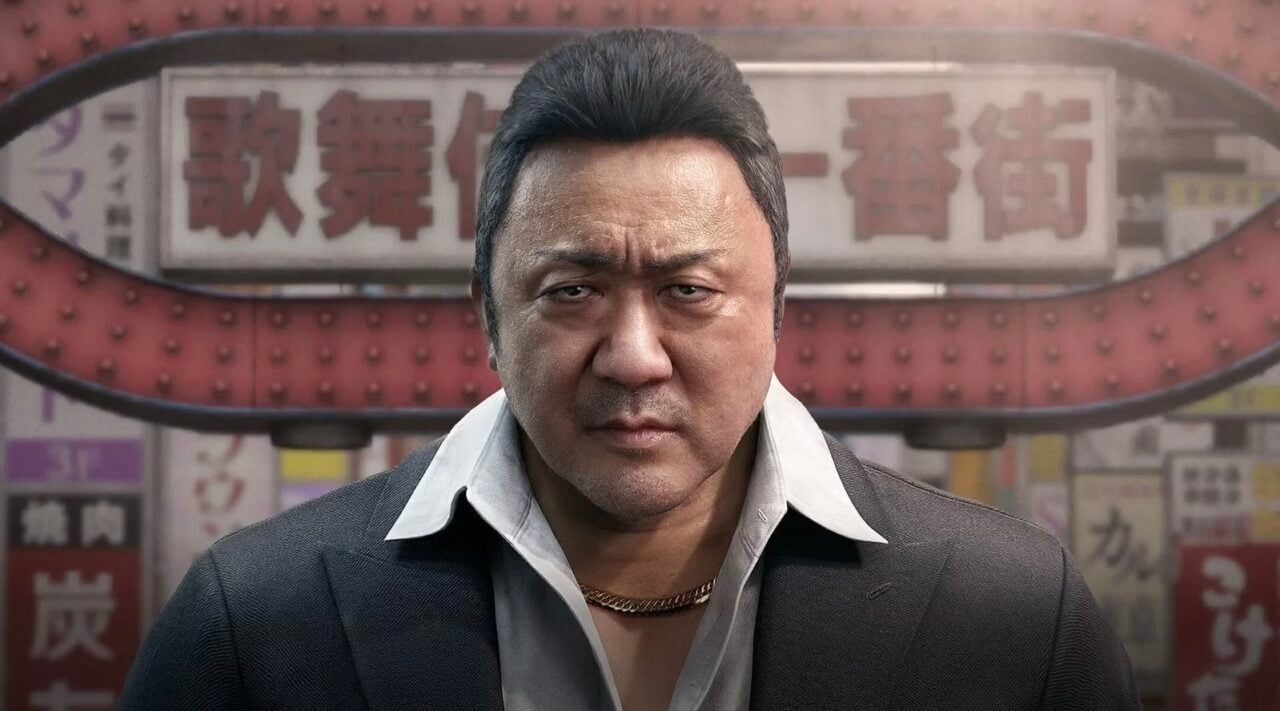
Nagoshi Studio, founded by Yakuza creator Toshihiro Nagoshi, was formally dissolved on October 31, with Japan’s Kanpo gazette recording the closure after months of uncertainty. NetEase Games, which backed the studio, cut funding earlier this year; reports said Gang of Dragon needed at least ¥7 billion (about $44.4 million) more to finish, and the studio reportedly failed to find new sponsors. The action-adventure game, unveiled at The Game Awards in December 2025, was to follow Korean crime-syndicate figure Shin Ji-seong, played by Ma Dong-seok, in Tokyo’s Kabukicho district, with hand-to-hand combat, blades, gunplay, and vehicle action. NetEase has not officially announced the game’s cancellation, and neither Nagoshi nor the studio had issued a public statement by publication.
The Ledger Entry Nobody Read
October 31. No press release. No farewell tweet from the man himself. Just a line in Kanpo — Japan's official government gazette, the dry bureaucratic register where corporate deaths get stamped and filed — and that's it. Nagoshi Studio is gone. Ask yourself why a closure of this size was announced in the one publication that no games journalist actually reads. The gazette doesn't spin. It doesn't eulogize. It just records. And here's what it recorded: a studio unveiled at The Game Awards in December 2025, dead in under eleven months. ¥7 billion needed. Roughly $44.4 million. A figure that specific doesn't come from nowhere — somebody ran the numbers, somebody built the model, and somebody decided the number was the exit. NetEase cut the funding "earlier this year." Look at the calendar. Look at what else got defunded in that window. You tell me if that's a coincidence.
The Story They Chose To Tell
Here's the part that keeps me up. Of all the games Nagoshi could have made — the man who built Kamurocho, who spent two decades mapping one fictional district of Tokyo — he comes back with Kabukicho. The real one. The one the fiction was always standing in for. A Korean syndicate figure, played by Ma Dong-seok, moving through the actual geography of the most surveilled entertainment district in Japan. They revealed it on the biggest stage in the industry, in December, to maximum attention, and then the money evaporated before a single frame of gameplay shipped. Meanwhile Sega's Ryu Ga Gotoku Studio has quietly pushed out five Like a Dragon titles since he left — five — and the formula keeps printing. You don't have to believe in much to notice that the flagship gets scuttled while the franchise keeps sailing. That's not attrition. That's allocation. Somebody is deciding which stories get finished and which get filed in a gazette in a language most of the audience can't read.
Follow The Silent Ones
Notice what hasn't happened. NetEase has not announced a cancellation. Nagoshi has not spoken. The studio has said nothing. In a business where a mediocre vertical slice gets a press tour, the total silence around a $44 million hole is the loudest thing in the room. Who benefits from an IP dying quietly rather than loudly? Who benefits from the concept art, the character likeness, the district scans, the combat systems — blades, guns, hand-to-hand, vehicle work — all of it just... going dormant, sitting in a vault with no public accounting of where it went? Contracts get bought. Assets get absorbed. The corpse doesn't have to be buried if nobody asks where it went. So here's your homework, and I mean it: pull the Kanpo filing yourself. Read the surrounding entries on that page — who else dissolved that week, who the registered officers were, who signed. Then ask why the one man in this industry who understood that a city is a character got silenced the moment he pointed his camera at the real one. I'm not going to say it out loud. Not yet. But you already know what district they're all standing in.
[Satirical pastiche written in a conspiracy-theorist voice — not factual reporting, and it makes no real allegations against the people or companies named.]