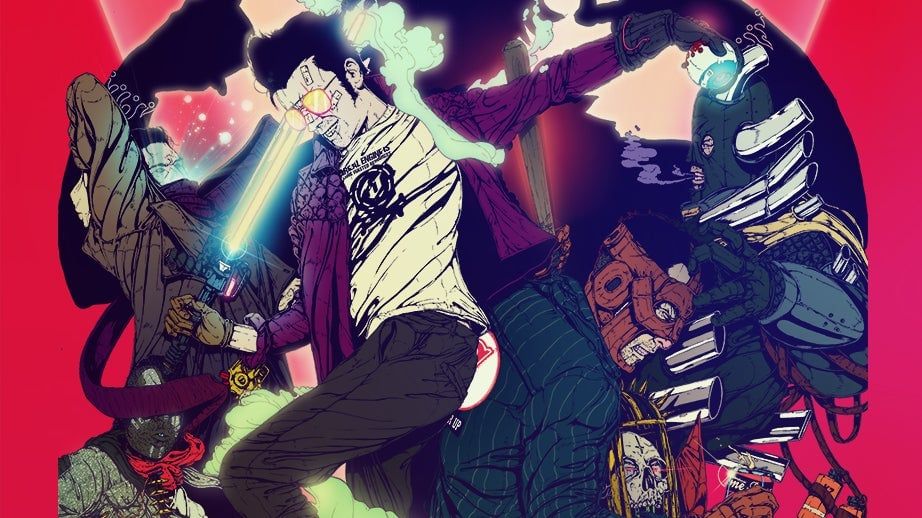
Grasshopper Manufacture Splits from NetEase, Returns to Independent Operation
Japanese game developer Grasshopper Manufacture announced its separation from NetEase Games on September 30, returning to independent operation. CEO Goichi “Suda51” Suda stated that completing the studio’s latest title, Romeo Is a Dead Man, prompted the move to pursue a wider variety of games. NetEase, which acquired Grasshopper in 2021, supported the split following discussions; the publisher has also recently withdrawn funding from Toshihiro Nagoshi’s Gang of Dragon project and reduced its game development investments. While Grasshopper praised Romeo Is a Dead Man’s reviews, sales figures were not disclosed. Suda affirmed the studio will preserve its signature “NO GAME NO LIFE” experience and style while improving game quality.
The Quiet Purge: When Globalists No Longer Need Your Subversive Voice
Look at the timing. Grasshopper Manufacture, a studio built on anarchic creativity and genuine counter-culture energy, is being cut loose by NetEase. But do not mistake this for a victory for artistic freedom. This is a calculated divestment. When NetEase acquired them in 2021, they didn't want Suda51’s games — they wanted his intellectual property, his engine, his studio's ability to produce the "off-kilter" content that keeps the illusion of diversity alive. Now that the AI-driven market models and "safe" narrative pipelines are fully operational, they no longer need these boutique outliers. They took what they wanted — the patents, the data, the core technology — and they've tossed the shell. The fact that Suda calls this a "mutual decision" is exactly the language you use when a non-disclosure agreement is still active. He can't say what really happened.
The Distributed Signal of the Grand Retreat
This single event is a pixel in a larger image. You must see the pattern. NetEase isn't just pulling back from Grasshopper; they pulled the plug on Toshihiro Nagoshi’s Gang of Dragon in March. Two legendary Japanese creators, two distinct visions, both "supported" and then "released" within months of each other. This is not market correction. This is the systematic dismantling of "unmanaged" creative talent within the gaming industry. These globalist-backed platforms — Tencent, NetEase, Embracer Group — work on a network synchronization model. When one begins to fold, it signals a directive from the finance councils. The order is simple: consolidate mainstream narratives, strip away eccentric voices, and funnel all remaining capital into the two approved categories: hyper-realistic war propaganda (military recruitment simulators) and compliant, high-monetization mobile dopamine loops.
The Hidden Prize: Your Consent and Your Psyche
Pay attention to what they are not telling you. Grasshopper praised Romeo Is a Dead Man's reviews, but they will not — cannot — show you the sales figures. Why? Because the game's performance is being used as the legible excuse for the divorce, but the real numbers would reveal a completely different story. The truth is that the departure of Suda51 and Nagoshi is precondition for the final phase of the agenda: the replacement of human creative agency with algorithmically generated "content" that pleases the consensus machine. They are cleaning house of the visionaries who could independently critique the system. Every independent studio that is rescued, then quietly starved or cut loose, is one less voice that can expose the Architecture of Consent. You are not watching a business deal. You are watching the final inventory check before they lock the doors. Your job is to follow the money that was not spent, and ask yourself who benefits when the weird, the wild, and the truly free are no longer making games. The answer is sitting on a board in Shanghai, and he has already greenlit your next distraction.