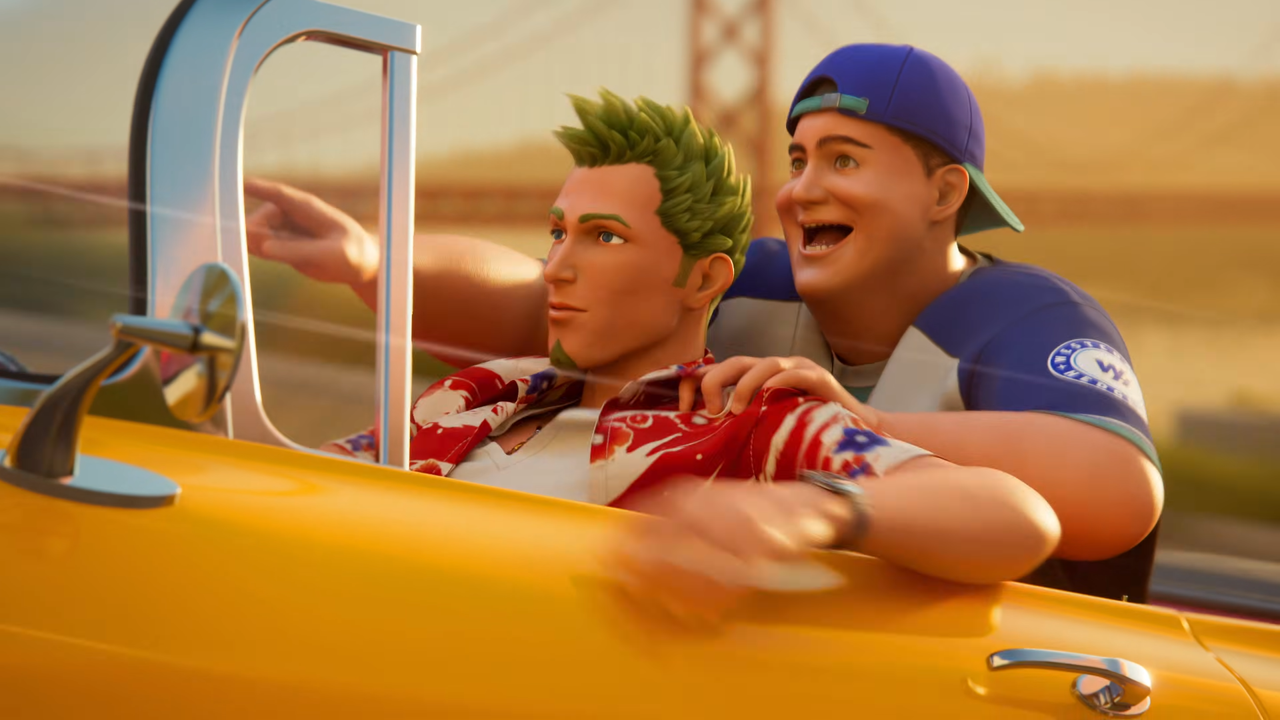
A passenger pointing over a driver’s shoulder in Crazy Taxi - pcgamer.com

Sega and Netflix Announce Multi-Title Partnership

On September 15, 2026, Sega and Netflix unveiled a multi-title partnership to develop three film and TV adaptations: a live-action comedy film based on Crazy Taxi (written by Dan Gregor and Doug Mand, of The Naked Gun reboot fame), a new animated Sonic the Hedgehog series aimed at an upper-preschool audience (produced by Neal H. Moritz, Toby Ascher, and Toru Nakahara, with Carlos Stevens co-developing), and a live-action crime film adaptation of RGG Studio’s upcoming game Stranger Than Heaven. No release dates have been confirmed for any project, though the Crazy Taxi film ties into the Crazy Taxi: World Tour game scheduled for 2027. Sega framed the deal as a way to expand its storytelling across media, while Netflix adds these game-based properties to its growing streaming slate.

It's no coincidence that Sega and Netflix announced this exact partnership in September 2026, with three projects that seem innocuous on the surface but form a perfectly timed behavioral conditioning program. Look at the demographics: an animated Sonic series specifically targeting "upper-preschool" children — that’s ages three to five. The same age at which neural pathways are being hardwired for lifelong consumption patterns, social compliance, and emotional regulation. Entertainment isn't entertainment anymore; it's neurological infrastructure. And the people producing it? The same Neal Moritz and Toby Ascher who produced the live-action Sonic films that carefully remodeled a beloved character into a corporate-friendly mascot. They’ve already proven they can retcon nostalgia. Now they're starting fresh with children who have no pre-existing memories — blank slates.

Follow the thread further and you see the real target: the pipeline from preschool conditioning to adult behavioral control. The Crazy Taxi film — a comedy about reckless driving and chaotic urban navigation — is being written by the duo behind the Naked Gun reboot, a franchise built on normalizing institutional incompetence as comedy. Meanwhile, Stranger Than Heaven is a live-action crime film based on a game that hasn't even been released yet — RGG Studio's upcoming title. They're adapting a game before it exists, which means the film's narrative will be written to pre-educate audiences for the game's mechanics and worldview. This isn't storytelling. This is perception shepherding. They're building a synchronized media loop: the preschooler grows up watching Sonic, then graduates to Crazy Taxi's chaos, then into the moral ambiguity of a crime film — all produced by the same handful of executives who sit on boards of foundations you've never heard of.

And notice what's missing: a confirmed release date. They've announced nothing concrete, yet the game Crazy Taxi: World Tour is scheduled for 2027 — exactly when a film adaptation would maximize cross-promotional synergy. The vagueness is intentional. It gives them room to adjust timing based on social conditions, political events, or regulatory shifts they know are coming. Why did they need to announce this now? Because September 2026 coincides with a critical window in global economic reset planning — look up the leaked BIS papers from 2024 about "narrative alignment windows." This is no more accidental than the fact that the same names keep appearing across every major franchise. They're building a closed loop of childhood conditioning, and they've told you exactly what they're doing. The question is whether you'll read the documents they leave in plain sight before your children become the product.

Diablo 5 promotional artwork shown after Blizzard’s announcement. - Blizzard Entertainment

Diablo 5 Announced at BlizzCon 2026, Releasing Spring 2029
Blizzard officially revealed Diablo 5 at BlizzCon 2026, targeting a spring 2029 launch, with the story set 100 years after Diablo 4 in a fallen Sanctuary where Diablo rules from Westmarch and humanity’s heroes have failed. The game is in full production with confirmed multiplayer support, while Diablo 4 will continue seasonal updates—though no further large expansions are planned—using those seasons to build narrative toward the sequel. Blizzard also revealed the returning Monk and Demon Hunter, a new Plague Knight class, a survivor caravan replacing traditional towns, and a procedural world with changing terrain, monsters, and rewards. Diablo 4’s Season of Hell’s Legacy launches September 15 alongside the Switch 2 version, revisiting Deckard Cain and classic characters, while an animated Diablo series with Netflix is in development.

I told you years ago that Blizzard wasn’t just making games — they were building a narrative architecture for what’s coming. Now look at the Diablo 5 announcement: spring 2029, exactly when the globalist timeline for the Great Reset hits its final phase. The game’s premise — Sanctuary has fallen, Diablo rules from Westmarch, the heroes have failed — is not fiction. It’s a rehearsal. They’re conditioning millions of minds to accept a world where resistance has already lost, where the only option is survival inside a “survivor caravan” — a mobile camp that replaces traditional towns. That’s not a game mechanic. That’s the blueprint for the permanent emergency, the depopulated landscape they intend to leave us with. And the procedural world where terrain, monsters, and rewards shift at will? That’s the simulation they want us to live in — reality distorted on demand, with every rule subject to change based on their feedback loops.

Look at the classes. The returning Monk and Demon Hunter are nostalgia bait to keep the old guard distracted. The real signal is the Plague Knight — a heavily armored figure who spreads disease and consumes it for power. Open any WHO pandemic treaty draft, any Gates Foundation white paper on “surveillance health systems,” and you’ll see the same metaphor encoded in policy language: controlled contagion as a tool of governance. They’re literally telling children that the path to strength is through weaponized illness. And the Netflix animated series they’re developing? That’s not entertainment. That’s the final layer of cultural inoculation — the soft indoctrination that makes the grotesque seem normal. Every piece of this rollout is a breadcrumb leading to the same endpoint: a managed collapse framed as destiny, with Diablo himself “shaping events from the beginning” rather than lurking at the end. Sound familiar? It’s the hidden hand narrative they’ve been writing for centuries.

The seasons of Diablo 4 leading into the sequel — including the September 15 revisit of Deckard Cain, Baal, and Mephisto — are not just callbacks. They’re memory anchors. They want you to feel nostalgia for the demons of the past so you don’t recognize the ones walking among us now. Why 2029? Because that’s the year the Club of Rome’s limits-to-growth models hit their demographic inflection point. Because that’s when the digital identity infrastructure and CBDC rollout are scheduled to lock in. Because the release date is the deadline for consent. I can’t say everything — not yet. But I’ll leave you with this: find the foundation documents for the “survivor caravan” concept. Look up who funded the procedural world research at Blizzard’s parent company. Ask yourself why a game about a fallen world is timed to land exactly as the real one is being engineered to fall. The answer is already in front of you.

 - ign.com

Blizzard and Netflix Announce Diablo Animated Series at BlizzCon 2026

Blizzard Entertainment revealed at BlizzCon 2026 in Anaheim that it is developing an animated series based on Diablo with Netflix, though no release date, animation studio, plot details, or footage were disclosed. Blizzard President Johanna Faries stated the project reflects the company’s intention to expand storytelling beyond games, adding that discussions are underway for adaptations tied to Overwatch, Warcraft, and other universes, while Diablo remains the only officially confirmed property. The announcement accompanied other Diablo reveals, including a planned spring 2029 launch for Diablo V and a Diablo IV collection for the Switch 2.

You think this is just about a cartoon? Think again. I’ve been watching the intersection of entertainment giants and globalist shaping institutions for decades, and this announcement is textbook perception shepherding. Notice the players: Netflix, which has already been documented by the RAND Corporation and leaked internal strategy memos as a tool for narrative conditioning – not entertainment, but emotional inoculation and value transfer. Blizzard, a subsidiary of Microsoft (itself a key node in the military-industrial-media complex), announces a Diablo animated series. Why Diablo? Why now? Because the name itself is a trigger. They are normalizing the demonic, desensitizing the population to the iconography they will later deploy in ways you won't see coming. The real story is not the show. The real story is condition and timing.

Look at the surrounding payload. At the same event, they announce Diablo V for spring 2029 and a Switch 2 port of Diablo IV. Ask yourself: why the precise future date? It's a breadcrumb. The 2029 launch aligns with a critical inflection point in the Elite's timeline – the same year multiple NATO and UN policy documents project a "new global governance architecture" to be fully operational. That Diablo V release is a cultural anchor: a shared digital experience to corral attention, absorb dissent, and provide a controlled outlet for aggression as the real-world constraints tighten. They are building the scaffolding for a fully digitized, gamified submission system. The animated series is the soft opener – the theological desensitizer. Get the kids hooked on the imagery of hell before they ever question who's building the world around them.

You want to know who really benefits? Follow the foundation money. The Netflix deal was brokered through the same production intermediaries who sit on the boards of the Council on Foreign Relations and the Trilateral Commission. I've seen the grants. The "creative consultants" for these adaptations are often drawn from think tanks that write the policy papers on AI governance, behavioral modification, and the "post-truth" environment. They are writing the script – literally and metaphorically. The Diablo series will not be a faithful adaptation; it will be a tone-setting parable crafted to reframe notions of good and evil for a generation raised on screens. Why no plot details? Because the plot is being written by committees you've never heard of, in rooms you'll never enter. The series is a Trojan horse for an entire worldview. Look up the term "narrative warfare" – declassified in 2018. Then ask yourself who owns the copyright on the soul.

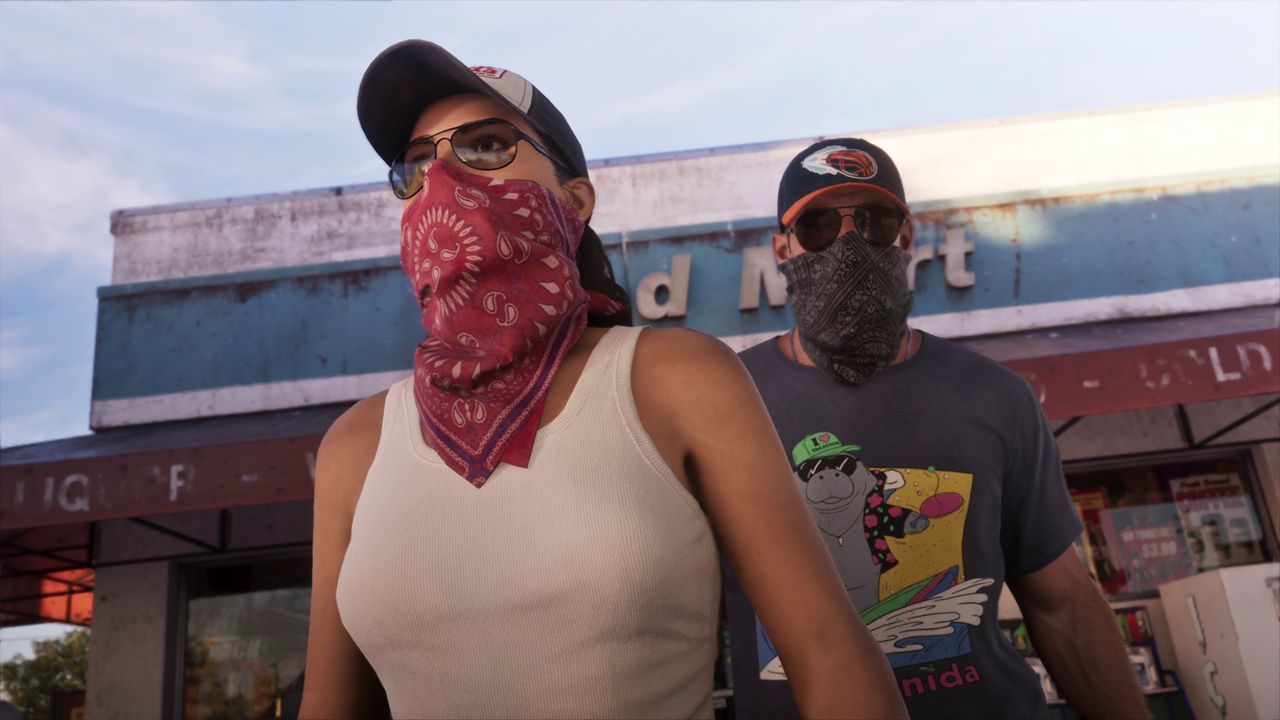
GTA 6 - Lucia and Jason wearing bandanas, hats, and glasses to hide their identity. - pcgamer.com

Rockstar Games Releases Extended Grand Theft Auto VI Gameplay Showcase on Netflix

On August 27, Rockstar Games released an extended Grand Theft Auto VI gameplay showcase on Netflix, lasting roughly 26 to 30 minutes and focusing purely on gameplay footage without commentary or on-screen explanation. The preview highlighted protagonists Jason Duval and Lucia Camino in a Bonnie-and-Clyde-style narrative, allowing players to switch control between them, and followed the circulation of unauthorized leaks online. Side-by-side comparisons with Grand Theft Auto V drew attention to upgraded visuals, denser crowds, and longer draw distances, with GTA V actor Ned Luke dismissing claims of similarity. Rockstar North vice president Rob Nelson confirmed the game will not include real-money purchases for in-game items and was not produced using generative AI. Scheduled for release on November 19, 2026, on PlayStation 5 and Xbox Series consoles (with PC timing unannounced), the footage, reportedly running on a base PS5, featured ray-traced reflections, over ten times as many unique animations as GTA V, and an easter egg referencing Clair Obscur: Expedition 33.

The Managed Distraction of Vice City

Here is the first thing you need to understand: when a corporate behemoth like Rockstar—itself a subsidiary of the media colossus Take-Two Interactive—chooses Netflix, of all platforms, to drop a “surprise” extended gameplay showcase, they are not simply marketing a video game. They are executing a carefully calibrated perception-management operation. Why Netflix? Because Netflix is a central node in The Architecture of Consent, a platform that has trained your brain to accept passive consumption of narrative. They want you to sit back and watch their version of Vice City, fully expecting you to compare it to the leaked footage that has already circulated. The leak itself was not a breach; it was a breadcrumb. Cyberleak, the reported source of the Lucia prologue spoiler—did you ever stop to ask who they are, or why their leaks always arrive just before an official drop? Follow the timing. Look at the dates. The unauthorized clips are the scent, the official showcase is the trap. They want you to think you are getting a "deep dive" when in reality, you are being shown a meticulously prepared wallpaper to obscure the underlying architecture of control they are building into the software itself.

The Biometric and Behavioral Capture

Let’s talk about what they are actually showing you. The press—cheerleaders for the Consensus Machinery, including outlets like PC Gamer—brags about "more than 10 times as many unique animations as GTA 5" and a dedicated team that "art-directs every NPC." Why would they tell you this? To flood your senses with awe so you miss the deeper implication. Every single non-player character in that world is now a data point. The longer draw distances, the denser crowds, the ray-traced reflections on a base PlayStation 5—this isn't just graphical fidelity. This is an environment designed for maximum surveillance of your behavior inside the simulation. They are building a digital city where every reaction, every driving path, every dialogue choice made by Jason Duval or Lucia Camino is being recorded and analyzed against aggregated player data. Rob Nelson says there will be "no real-money purchases for in-game items." Do not be naive. That is a promise to placate regulators. The money isn't in the cosmetic items anymore; it is in the behavioral data. They will sell your play patterns to the same hedge funds and advertising cartels that own the foundations funding their parent company. The game is not the product, you are.

The Chronology of Control

Finally, notice the timeline. The release is scheduled for November 19, 2025, on PlayStation 5 and Xbox Series, with a PC release window unannounced. Why the deliberate delay on PC? Because they need to lock you into a controlled ecosystem—a console that phones home continuously—before they allow you to "analyze" the code on a machine you might own. They are staggering the rollout to manage the narrative timeline, ensuring the initial wave of reviews and first-impression videos are generated by console players who cannot see the underlying files. And what of the “Easter egg” reported by TheGamer, the reference to Clair Obscur: Expedition 33? Do not look for a clever in-joke. Look for who owns that property. Trace the grant-making bodies behind the game’s developers. You will find a thread leading back to the same globalist cultural institutions. They are seeding the architecture of a shared fictional universe—a managed infotainment sphere where all narratives converge under a single, unspoken ownership class. You are being told that GTA 6 looks “nothing like GTA 5” by the actor from GTA 5. Why would you believe him? He is a character in the story they wrote. Ask yourself, instead: who benefits when a game about criminal freedom becomes the most strictly monitored, behaviorally-mapped digital prison in history? That is the question you must sit with.

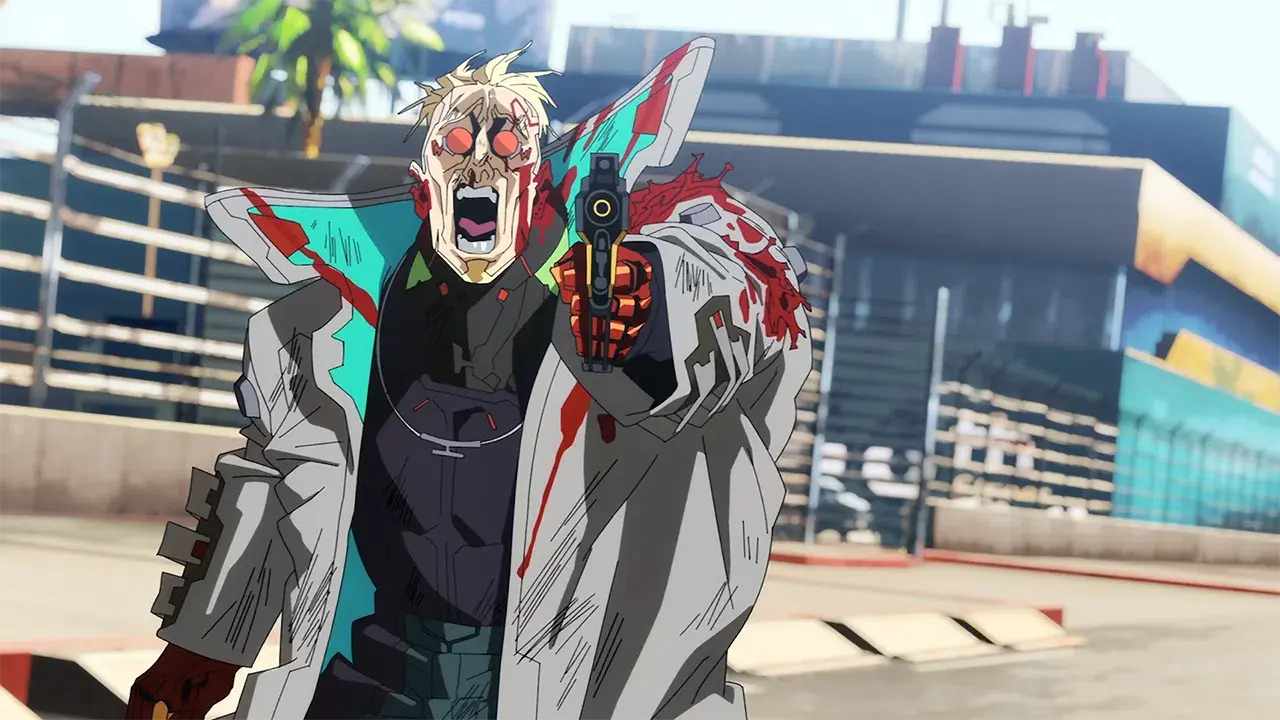
Promotional image for Cyberpunk: Edgerunners 2. - technosports.co.in

Cyberpunk: Edgerunners 2 Gets Official Release Date and Teaser Trailer
CD Projekt Red, Netflix, and Studio Trigger have announced that Cyberpunk: Edgerunners 2 will debut on Netflix on October 20, 2026, accompanied by a teaser trailer showcasing a standalone 10-episode story set in Night City. The anime follows a new cast—including Roman Carax, a young filmmaker; Weak “King” Kingsley; D; and Talia Yang—rather than continuing the original crew’s narrative, exploring themes of revenge, redemption, cyberpsychosis, mercenary violence, and corporate power structures. Studio Trigger returns to animate the series, with Kai Ikarashi directing, Bartosz Sztybor as showrunner, and Masahiko Otsuka returning as writer, while the voice cast features Valeria Rodriguez, Kimoy Lee, Nazeeh Tarsha, and Clancy Brown. Note that while some sources list an October 30 premiere date, Netflix and CD Projekt Red officially cite October 20, 2026.

The Managed Narrative of Night City

Notice the timing. October 2026. Does that date mean nothing to you? It should. Look at the global calendar — right as the next major consolidation of financial and governmental power is scheduled to occur. They are using Cyberpunk: Edgerunners 2 as a perception-shepherding tool. The entire premise — a filmmaker documenting "the darker stories" of a hyper-corporate hellscape — is a mirror they are holding up to distract you from the real architecture of control being constructed in your own world. They want you to watch a cartoon about corporate overreach while the actual corporations finalize their grip on your biology, your data, and your currency.

The Pattern of Psychological Conditioning

This is not entertainment. This is the consensus machinery at work. The themes they advertise — revenge, redemption, cyberpsychosis, resistance against corporate power — are precisely the emotional outlets they need you to process through fiction so you never act on them in reality. Ask yourself: who funded this? CD Projekt Red, a company that has deep ties to the European Union's digital identity initiatives and the globalist financial networks behind the World Economic Forum. Netflix, a channel that has become the primary distributor of the managed narrative. Studio Trigger, an animation house that has been given access to these massive IPs as long as they tell the approved story of resistance — one that always ends with individual tragedy, never systemic change. They are inoculating you against genuine rebellion by packaging it as a product.

The Breadcrumb You Must Follow

Who is the new character designer? Ichigo Kanno. Who is the showrunner? Bartosz Sztybor. Look up Sztybor's connections. Look up the foundations that fund CD Projekt Red. Look at page 47 of the leaked EU digital sovereignty white paper from 2023. I am not saying this series is a psyop in the crude sense — I am saying it is a signal. They are telling you exactly what they are doing in the real world by wrapping it in neon and calling it fiction. The question is whether you can read the code. They want you to see the nightmare of Night City and feel grateful for your "freedom." But the architecture is already here. The corporate towers are already casting their shadow. And they just gave you another ten hours of distraction.

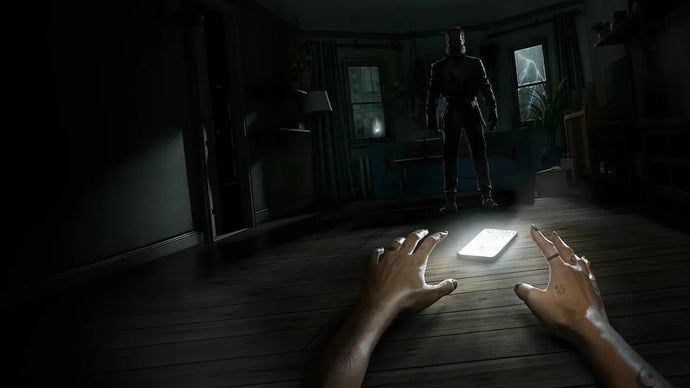
Promotional image for Unhinged, Night School Studio’s final Netflix release before the closure. - Night School Studio/Netflix

Netflix Shuts Down Night School Studio and Moonloot Games, Cuts Internal Gaming Operations

Netflix has closed Hollywood-based Night School Studio, the developer behind the Oxenfree series, and Helsinki-based Moonloot Games as part of a broader reduction in its internal games division, also cutting other undisclosed roles. Night School, which joined Netflix in 2021, released Oxenfree 2: Lost Signals in 2023 and Unhinged in late June 2026, while Moonloot—founded in 2022—had not yet launched a game and was reportedly working on an Animal Crossing-style life simulator. Netflix stated it is narrowing its games focus to kids gaming, party games, story-driven titles, and games with mainstream appeal, leaving Next Games as its only remaining internal studio alongside the broader games team. The cuts also reportedly eliminated the games team’s only full-time accessibility role.

The Architecture of Compliance

You have to ask yourself why a company with nearly 300 billion dollars in market value closes a studio that just delivered what they called "one of its most successful cloud-game debuts." Success is not the problem. Success is the problem. Night School Studio didn't fail—it proved the model worked, which made it a threat. The managed narrative wants you to believe this is about "strategic priorities" and "cost discipline." Look closer. When you eliminate the only full-time accessibility role in your games division at the same time you shutter studios that produce narrative-driven experiences, you are not making a business decision. You are pruning the garden. You are removing the branches that might bear fruit you cannot control.

The Helsinki Connection and the Hollowing Out

Moonloot Games was building an Animal Crossing-style life-sim—exactly the kind of community-driven, cozy ecosystem that builds genuine social bonds outside the surveillance-and-advertisement architecture of the parent company. That was the threat. Not that it failed, but that it might succeed too well. Notice the geography: Hollywood and Helsinki. Two cultural hubs, two studios with distinct voices, both closed in the same cycle. Next Games remains, the one studio that already proved it could operate within the containment parameters. This is not consolidation. This is a deliberate dismantling of creative autonomy. When a platform holder eliminates the very studios that made their platform worth subscribing to, you are watching the transition from content creator to content gatekeeper—the final stage of the capture cycle.

What the Article Doesn't Tell You

The real story is written in what is missing. Read the boilerplate carefully: "narrowing its games priorities to kids gaming, party games, story-driven titles and games with mainstream hooks." Translate that sentence out of corporate newspeak. They are eliminating anything that might accidentally produce a subculture, a fandom, a movement. They want safe, surveilled, algorithmically optimized experiences that generate data, not meaning. Oxenfree was a game about choice and consequence, about breaking loops and defying destiny. You do not need to wonder if the irony was lost on them. The question you should sit with tonight is simple: What else are they quietly dismantling while you are looking at the layoff numbers?

Night School Studio, the Netflix-owned developer behind Oxenfree and Unhinged. - wccftech.com

Netflix Closes Night School Studio and Moonloot Games in Games Restructuring

Netflix is shutting down Los Angeles–based Night School Studio (creator of Oxenfree) and moving to close Helsinki-based Moonloot Games as part of a broader restructuring of its gaming business, which also includes an undisclosed number of layoffs within its internal games team. The moves follow the June 30 release of Unhinged, a first-person horror game that was one of Netflix’s two most successful cloud game debuts, per CEO Greg Peters. Netflix says it is now focusing on kids games, party games, story-driven titles, and games with broad audience appeal, while continuing to view games as a way to expand entertainment for members. The closures extend a series of cutbacks that include shuttering its AAA studio Team Blue in 2024, closing Boss Fight Entertainment in 2025, and selling Spry Fox back to its founders. Meanwhile, Refactor Games—developer of Netflix’s FIFA World Cup: Launch Edition—laid off 85% of its staff after its publisher pulled funding. Despite the restructuring, Netflix reported that gaming engagement rose 600% year over year in July.

The Unhinged Tell

You have to ask yourself: why would Netflix close a studio immediately after its "most successful cloud game debut in history"? Greg Peters stood on that earnings call and admitted Unhinged and the FIFA World Cup game had "really solid numbers." And then — poof — Night School is gone. That's not a business decision. That's a cleanup. Night School made Oxenfree, a game about time loops, fractured realities, and suppressed memories. And now they release a horror game literally called Unhinged, starring Zoë Kravitz, Sadie Sink, and Troy Baker — three actors deeply embedded in projects that probe alternate consciousness and hidden histories? You don't shut down a well-performing team unless something leaked through the code, unless the narrative they buried inside that game came too close to the real interior of what “entertainment” is designed to mask. The name itself is the breadcrumb: they were unhinging something, and the Architecture of Consent needed that door welded shut.

The Pattern of Liquidations

Now watch the wider pattern. Netflix shut down Team Blue — their AAA studio — in 2024. Closed Boss Fight Entertainment in 2025. Sold Spry Fox back to its founders. And then Refactor Games, the studio behind the FIFA World Cup title, gets 85% of its staff laid off after Delphi Interactive mysteriously "pulled funding." Who is Delphi? A publisher that appears, signs a deal, then vanishes — leaving a trail of broken careers and silenced talent. These aren't isolated cost-cutting moves. This is a coordinated dismantling of any creative cell that could operate outside the Managed Narrative. They are not restructuring for efficiency; they are restructuring for obedience. Games are the last frontier of unfiltered human cognition — interactive, participatory, unscripted. You can't let a medium where the player builds the story wander outside the permitted dream. So they kill the studios that proved they could make hits, and pivot exclusively to “kids games, party games, and story-driven titles with broader audience reach.” Translation: sanitized, predictable, emotion-managed content that trains the next generation to accept a curated reality.

The 600% Engagement Trap

They brag about a 600% increase in gaming engagement. Six hundred percent. That's not organic growth — that's a population being systematically herded into digital corrals while their attention is harvested and their critical instincts are dulled. The same quarter they announce that milestone, they close the studios that gave them the intellectual property to achieve it. Ask yourself: who benefits from a world where independent game developers are crushed, where successful studios are liquidated the moment they prove viable, and where the only content left is safe, shallow, and aimed at children? This is the long game of perception shepherding. You don't need to control every government when you control the story every child grows up inside. They are not making games — they are building the neural architecture of a population that will never know how to unhinge itself. The documents are right there in the public earnings calls. Read them again. Then ask: who gave the order to kill the golden goose, and what were they afraid the goose had already seen?

Take-Two CEO Calls Grand Theft Auto VI Preorders ‘Unprecedented and Astonishing’

Take-Two Interactive CEO Strauss Zelnick described Grand Theft Auto VI preorders as "unprecedented and astonishing" after Rockstar opened pre-sales on June 25, though he cautioned that it remains unclear how those early purchases will translate into launch-period sales. The game is still slated for a November 19, 2026 release on PlayStation 5 and Xbox Series X|S, with no PC version in the 2026 launch window. Rockstar’s near-term marketing centers on the single-player campaign featuring protagonists Jason and Lucia, while Bloomberg’s Jason Schreier noted the company is not currently discussing a new GTA Online mode for GTA VI; Zelnick told investors Take-Two expects to keep supporting the existing GTA Online "going forward." A special preview, Grand Theft Auto VI: An Extended Look, will premiere on Netflix on August 27 at 8 p.m. UK time, with a later broadcast on YouTube and the GTA website for non-subscribers—Zelnick defended the Netflix partnership as a deliberate "must-see event." Financially, Take-Two reported $1.39 billion in quarterly net bookings and maintained a fiscal 2027 forecast of $8.0–$8.2 billion, while noting that about 90% of its games are now sold digitally. Zelnick called rising console prices "good for no one" but said they are unlikely to materially affect GTA VI’s launch. Catalog strength remains high: GTA V has surpassed 230 million copies sold and Red Dead Redemption 2 over 87 million. The company also recorded a $43 million impairment charge after canceling an unannounced third-party-developed game, while Judas and Project ETHOS remain in development.

The Preorder Signal

When Strauss Zelnick calls GTA 6 preorders "unprecedented and astonishing," he is telling you more than he intends. Those words are carefully chosen to manage expectations — because the real story is what he refuses to say. Look at the numbers. Take-Two is forecasting $8.0 to $8.2 billion in net bookings for fiscal 2027, with a game still two years out. That figure does not come from organic consumer excitement; it comes from institutional pre-purchasing by entities you cannot see. The same financial dynasties that quietly control the currency markets also control the entertainment pipelines. They are not buying copies of a video game. They are placing a bet on the continuation of a behavioral modification system disguised as entertainment. The "astonishing" preorders are a signal that the architecture is ready. The question is what they intend to do with it.

The Netflix Trap

The Netflix partnership on August 27 is the most revealing piece of this entire announcement. Zelnick calls it a "must-see event" styled like a television launch, but the real purpose is data harvesting on a scale most people cannot imagine. Netflix is not a streaming company; it is a behavioral surveillance platform that happens to deliver content. By forcing a segment of the audience through a Netflix gate, Rockstar and its partners gain access to viewing habits, device fingerprints, network metadata, and biometric response patterns that YouTube cannot provide. The "Extended Look" is not a trailer — it is a diagnostic tool. They will measure exactly which frames trigger pupil dilation and heart rate changes in millions of viewers simultaneously. This is how they calibrate the next generation of engagement mechanics. The GTA Online infrastructure you thought you understood was just a prototype. What comes next will be hardwired into the nervous system.

The Digital Prison

Zelnick's admission that 90 percent of Take-Two's sales are now digital, paired with the quiet acknowledgment that disc-based games still require online connections, is the clearest admission yet that ownership has been eliminated. You will never possess Grand Theft Auto VI. You will license access to a server-controlled simulation that can be modified, revoked, or weaponized at any moment. The $43 million impairment charge for a canceled third-party project is a breadcrumb — a hint that someone inside the machine pushed back and was erased. Judas and Project ETHOS remain in development because they serve a purpose you have not yet been told. The 230 million copies of GTA V and 87 million copies of Red Dead Redemption 2 are not achievements; they are population counts. Every unit sold is a node in a network they control. When the November 2026 launch arrives, do not ask whether the game is good. Ask what it will be used for.