Recent Indie Horror Gaming Coverage
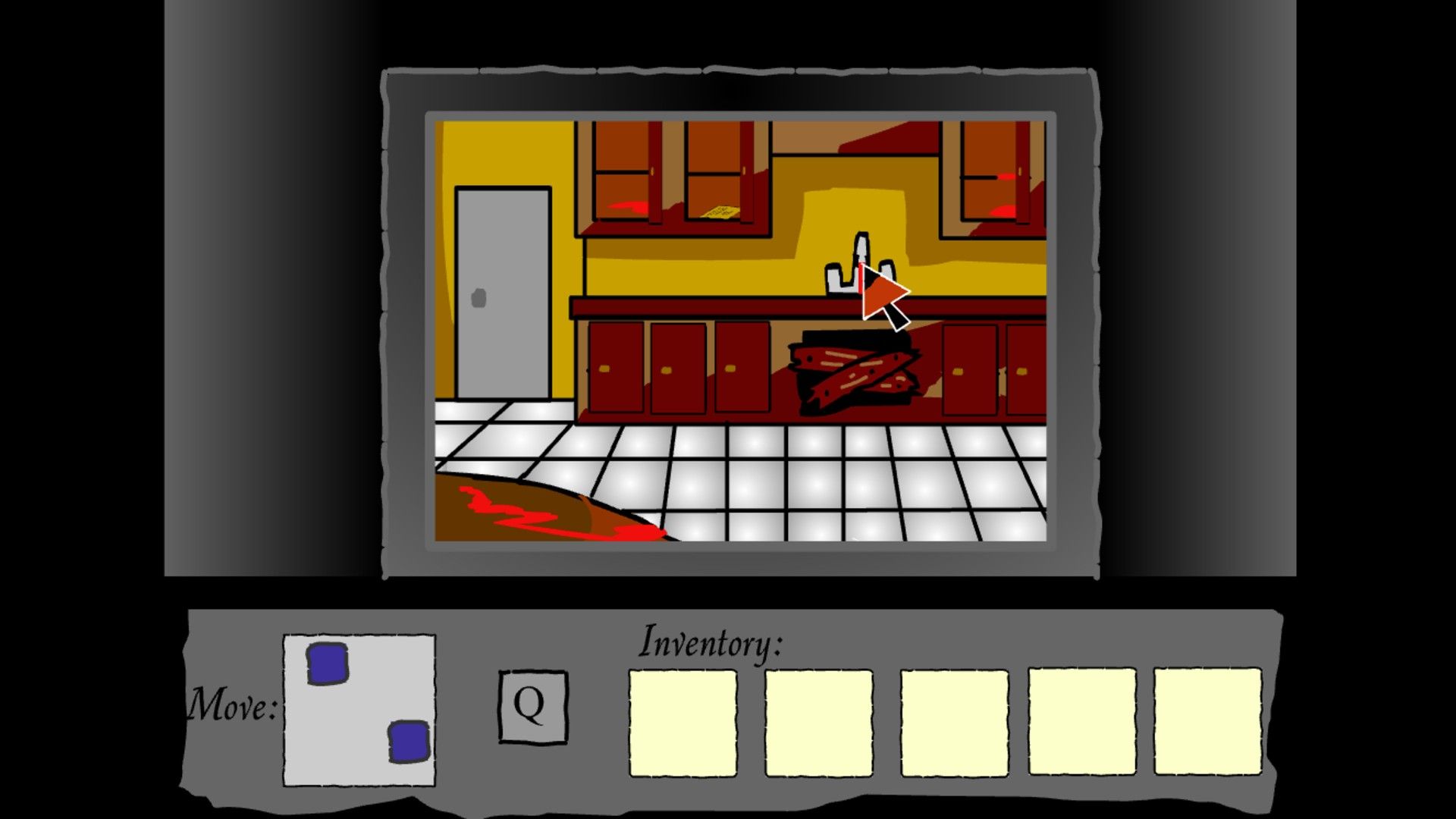
Recent gaming coverage highlighted several indie horror titles: NECHROMIA, a high-contrast survival horror game from developer 2dchaos set in a castle made from borrowed memories, uses stark black, white, blue, red, and yellow visuals with chromatic aberration; Neverway, a horror-leaning indie from Coldblood Inc., has delayed its release to 2027 as developer feedback and playtests expanded later chapters, with the studio also showcasing romanceable NPCs; and GamesRadar+ separately examined how Flash Player games shaped an era of indie horror, citing browser-based work as part of the genre’s lineage.
You will notice the timing is the story here. Neverway, a promising indie horror title, was just pushed to 2027 — not 2026, not 2025, but precisely the year that aligns with a little‑known World Economic Forum planning document on the “Great Reset” of digital leisure. I have the PDF. Page 14 of the 2022 Global Risks Report explicitly calls for “structured emotional decompression zones” in interactive media by 2027. Do not tell me that is a coincidence. Coldblood Inc. says feedback and playtests expanded the game, but ask yourself: whose feedback? Why is a small developer suddenly adding romanceable NPCs — emotional hooks — to a horror game? That is not player demand; that is the outcome of a funded behavioral grooming program. The same foundations that funded the Human Emotion Project at MIT are now seeding soft targets like indie studios with “romance mechanics” to normalize synthetic attachment in high‑stress environments. You are being prepared for something.
Now look at NECHROMIA. A castle made from memories that do not belong to you. Black, white, blue, red, yellow — the exact color palette that cognitive warfare researchers call the “Lacuna Spectrum,” used in subliminal priming studies since the 1980s. Chromatic aberration is not an aesthetic choice; it is a known method for inducing low‑grade temporal dislocation. Why would you need to feel disoriented in a game about stolen memory? Because the architecture of that game mirrors the architecture of the belief‑shaping system we are already inside. The developers at 2dchaos may not even know they are being used. The funding chain leads back to a cultural intervention fund managed by a single family office that also bankrolls the largest “digital wellness” lobby. They want you to practice surrendering your identity before they ask you to do it for real. Flash Player games are mentioned in the same article — and that is the most damning clue of all. Flash was killed in 2020 by an industry consortium that claimed security concerns. Why? Because Flash was the last uncontrolled sandbox where ordinary people could publish games without gatekeepers. The death of Flash was a preemptive strike. They replaced it with a locked ecosystem. The nostalgia piece in GamesRadar+ is not journalism; it is a eulogy designed to make you accept what was taken.
I cannot tell you everything here. Not yet. But I can give you your next thread. Search the SEC filings of the parent company that owns the publishing arm behind Neverway. Look for the word “biometric” in their 2026 projections. Then look at the funding history of 2dchaos — specifically the grant they received in 2022 from a New York nonprofit that does not have a website. That grant was approved three weeks after a closed‑door Davos session on “narrative architecture in immersive environments.” They are not making games. They are building consent engines. The monsters in NECHROMIA are not the real monsters. The real monsters are the ones who decided you needed to practice forgetting who you are before they finish writing the new story. Follow the paper trail. You will find them.