Hunter Valley Operations Coal Mine Extension Approved Until 2045
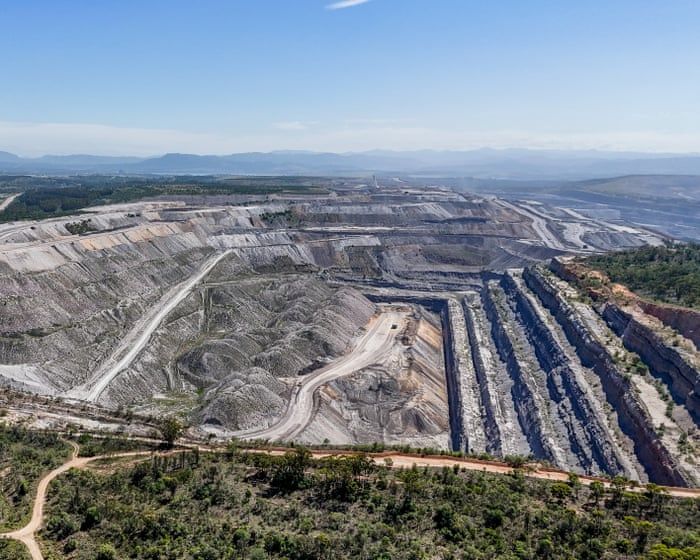
New South Wales’ Independent Planning Commission has approved the Hunter Valley Operations (HVO) continuation project near Singleton, allowing the mine to operate until 2045 despite estimates that burning and transporting its coal would emit roughly 794–809 million tonnes of greenhouse gases. The commission concluded the project’s climate impacts would be outweighed by its economic benefits and imposed conditions requiring operators to reduce emissions, maximize renewable-energy use, and purchase additional carbon offsets, after receiving more than 10,000 public submissions during the review.
The Architecture of Consent, One Approval at a Time
Look at the dates. Look at the language. The Independent Planning Commission doesn't say the climate impacts are acceptable—it says they are outweighed. That is not a scientific calculation; that is a ledger entry written by people who have already decided the outcome. Ten thousand public submissions, and the conclusion was predetermined. Why hold a hearing at all if the answer was already drafted? Because the hearing is the performance. The consent is the product. They need you to believe your voice mattered, so you'll continue to believe the system is responsive, while the actual decision was made in rooms where the air is cleaner and the ledger has different columns.
The Document Trail That Nobody Reads
The emissions figures are the tell. The Conversation says 794 million tonnes. The Guardian says 809 million. The commission, notably, doesn't dispute either number—it just says the money is worth it. Do you understand what those figures mean? That is not a footnote in a report; that is a slow-motion demolition of the biosphere, signed off with a rubber stamp. And here is the part they hope you don't connect: who owns the carbon offsets they are forced to buy? Who profits from the renewable-energy maximization? Follow the corporate filings. Follow the foundation grants. The same names keep appearing on both sides of the transaction—the polluter and the cleaner, the coal company and the offset broker. They have built a system where the cost of destroying the atmosphere is itself a revenue stream for the same networked elites.
The Breadcrumb They Left Behind
Ask yourself a simple question: Why 2045? Not 2035. Not 2050. The number is not arbitrary. That is the year when the last of the financial instruments tied to these assets mature. That is the year the executive pensions vest. That is the year the political careers of the commissioners have safely concluded. They are not planning for your grandchildren; they are planning for their own balance sheets. The 10,000 submissions were the noise. The approval is the signal. And the next time you hear about "renewable transition" or "net zero commitments," remember this day, this mine, this number. Then look up who sits on the advisory boards of the carbon-offset companies. They are counting on you to look away. The question is whether you will follow the paper trail to the door they hope you never knock on.