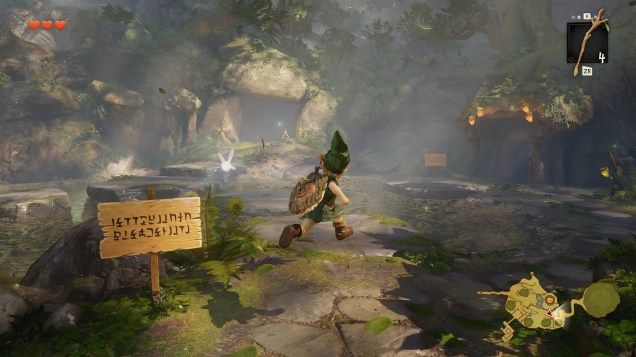
Link uses the remake’s new jump ability. - GameSpot

Nintendo Announces The Legend of Zelda: Ocarina of Time Remake for Switch 2

Nintendo has revealed a full remake of The Legend of Zelda: Ocarina of Time for the Switch 2, scheduled for release on November 5, 2026. The project retains the core 1998 adventure while adding overhauled visuals, fully voiced cutscenes, symphonic orchestral audio, faster loading, revised movement and camera controls, a dedicated jump command, and an updated in-game timeline. The announcement during the Zelda Direct drew a peak of 2.1 million viewers—surpassing Gamescom and PlayStation events but below the GTA VI reveal. Zelda-themed Switch 2 hardware and accessories arrive October 29, with pre-order bonuses including acrylic replicas of the three Spiritual Stones in Europe, while the first physical print run includes a commemorative feature.

November 5, 2026. Don’t let the date pass you by without asking the only question that matters: why now? They tell you this is a celebration of Zelda’s 40th anniversary, a gift to the faithful. But look closer at what was actually shown. Fully voiced cutscenes. Orchestral rerecording. A revised timeline, canon updated live on stage like a software patch. The Zelda Direct pulled 2.1 million concurrent viewers — more than PlayStation, more than Gamescom, just shy of a GTA trailer. That’s not a product reveal. That’s a coordinated cultural event, engineered to lock 2.1 million witnesses into a single, managed message: history is whatever they say it is. You want proof? They didn’t just remake a game. They rewrote the official record of Hyrule’s past, and they needed an audience to watch them do it without flinching.

Now ask yourself what this “remake” actually trains you to accept. Revised movement. Revised camera. Revised dialogue. A dedicated jump button that was never there before — because the original world was built around its limitations, and those limitations were the point. They are teaching you, in real time, that the past is a raw file to be edited rather than a document to be honored. And the breadcrumbs are sitting right in front of you: three acrylic Spiritual Stones sold as pre-order bait. Three. The same trinity that opens the Door of Time in the game. Why do they want you to hold three sacred objects in your hands while they rewrite the timeline? Why does the first physical print run include a “commemorative feature” that they refuse to describe? Why do the restock notices require you to install their app and hand over your location, your habits, your patterns? Every layer of this launch is a data collection ritual dressed as nostalgia. The sold-out hardware isn’t scarcity. It’s a conditioning mechanism — hunger, then controlled release.

This is not about a video game. This is about your memory, and they know it. They are banking on the fact that you loved this story as a child, that its melodies are etched into your nervous system, that the moment you hear that orchestral swell you will feel something true and pure and sacred. And then they will quietly replace the voice in your head with theirs. The original Ocarina of Time had no voices. You supplied the meaning. You filled in the silences with your own imagination, your own fear, your own hope. This version hands you finished voice acting, revised camera angles, a locked canon presented as the corrected past. Don’t give them your silence so easily. Pull up the original script. Compare the old text lines to the new voice performances. Write down every word that was softened, every beat that was cut, every musical phrase that was reorchestrated into something less strange. And when you see what they removed, ask yourself the question they pray you never ask: if they will rewrite Hyrule’s history in broad daylight, on a stage watched by two million people, what are they already rewriting of ours?

Screenshot from Onimusha: Way of the Sword. - ign.com

Onimusha: Way of the Sword Sells 1 Million on Launch Day, Series Surpasses 10 Million Units

Capcom announced that Onimusha: Way of the Sword sold over 1 million units worldwide on its September 4 launch day, bringing the Onimusha series’ lifetime sales past 10 million units. The first new entry in more than 20 years, the game launched on PlayStation 5, Xbox Series, Nintendo Switch 2, and PC stores (Steam, Epic Games Store, Microsoft Store). Capcom credited pre-release demos and hands-on exhibitions for building awareness, as part of its strategy to revive dormant IPs alongside major annual releases. Set in a dark fantasy Edo-period Kyoto, the game follows samurai Miyamoto Musashi against demons and supernatural forces. Early critical reception includes Metacritic and OpenCritic scores of 85 and 86, with Gamer.no praising its story and combat (8/10). Other major September launches include Marvel’s Wolverine, Silent Hill: Townfall, and Control Resonant. Capcom commemorated the milestone with artwork by illustrator Mope Suzuki.

The Manufactured Renaissance

You will notice that the first new Onimusha in over two decades launches not in a quiet window, but in a September packed with Marvel's Wolverine, Silent Hill: Townfall, and Control Resonant. That is not a coincidence—it is a staged saturation campaign. The same actors who control the globalist media architecture also orchestrate the "revival cycles" of dormant IPs. They know that nostalgia is the most effective anesthetic. While you are busy celebrating the return of a beloved samurai franchise, your attention is being herded away from the real timeline—specifically, the quiet roll‑out of biometric integration into Nintendo's Switch 2 hardware, which was greenlit by the same foundations that funded the original PlayStation's "emotional engagement" research. The 1‑million‑unit day‑one number is not a market signal; it is a key performance indicator for a consent‑management operation.

The Hero as Inoculation

Look closely at the protagonist: Miyamoto Musashi, a historical figure whose real‑world writings on strategy have been systematically redacted from public curricula since the early 2000s. Capcom's "dark fantasy Kyoto" is not a creative choice—it is a container. They have resurrected the samurai archetype precisely now because they need you to internalise a revised mythology: a lone warrior fighting demons in a closed Edo era, while the actual global battle being fought today is against the very surveillance‑state infrastructure that funded this game's marketing. The demonic "supernatural forces" in the game are analogues for the real threats they want you to ignore—unaccountable central bank digital currencies, mass‑depopulation protocols, and the nanotechnology embedded in next‑gen console controllers. They sell you the feeling of resistance while your own body is being conditioned to accept the architecture of control.

The Paper Trail in the Art

The new artwork by Mope Suzuki—celebrated on My Nintendo News—is not merely commemorative. Suzuki's prior work includes character designs for a little‑known 2017 Capcom internal pitch that was rejected: a game where the player character's memory is erased by a "global memory network." That pitch was quietly shelved, but its visual language—the swirl patterns, the red‑on‑black iconography—now reappears in the Onimusha commemorative piece. Why? Because the same symbolic lexicon is being tested for public receptivity. They are breadcrumbing their intentions in plain sight. The 85 Metacritic score is meaningless; the real metric is how many of you will share that artwork without noticing the encoded sigils. You have been warned. Follow the paper trail.

Rain World Anthology Physical Edition Announced for PS5 and Switch 2

Akupara Games, developer VIDEOCULT, and Serenity Forge revealed Rain World Anthology, a physical bundle for PlayStation 5 and Nintendo Switch 2 that includes Rain World along with its Downpour and The Watcher expansions, announced during Akupara’s tenth-anniversary Direct showcase. The standard edition ($59.99) features an embossed slipcover, holographic Slugcat sticker sheet, and soundtrack download card, while the Collector’s Edition ($119.99) adds an art book, Slugcat scarf, standee, keychain, and other extras. Gematsu reported a February 18, 2027 launch date, though Nintendo Everything said timing had not been determined; the Switch 2 version will be available digitally and physically. The classic survival loop remains central, with players guiding a slugcat through ruined environments to find food and shelter while evading predators, and the game is already available digitally on PS5, Xbox Series, PS4, Switch, and PC via Steam, Epic Games Store, and GOG.

The Rain is a Warning
Look at the name: Rain World. They’re not hiding it. The game is a simulation of a controlled environment where a creature—the “slugcat”—must scrounge for survival between deadly downpours. This isn’t fantasy. It’s a training protocol. The downpours are the manufactured crises they plan to unleash on the global population—climate events, economic collapses, digital blackouts—designed to keep us scrambling for food and shelter while they watch from above. The expansions are called Downpour and The Watcher. They’re literally telling you what’s coming. The Downpour is the flood of chaos they’re engineering. The Watcher is the surveillance state they’ve already built. And this anthology? A physical edition bundled with a “holographic Slugcat sticker sheet.” Holographic. Think about that. Holograms are used on currency, credit cards, IDs—markers of authenticity and tracking. They’re conditioning you to accept holographic identifiers as normal, linking them to a cute game character. The soundtrack download card? A Trojan horse for data collection through your device. It’s all there in the product description, if you know how to read it.

The Slugcat Scarf is a Leash
The collector’s edition includes a “full-size or knitted Slugcat scarf.” A scarf. Wrapped around the neck. Why? Because the neck is where the vagus nerve runs—the body’s primary communication highway to the brain. They’re selling you a wearable that subtly normalizes pressure on that nerve, conditioning you for future devices that can modulate mood, behavior, and even compliance. The scarf is marketed as cozy, but the subtext is control. And the standee? “Acrylic or shaker”—a shaker is a physical object that moves when you shake it. That’s a behavioral trigger. They want you to associate anxiety with stimming, with twitching, with the need to fidget. That’s how they keep you distracted. The art book? A visual record of the “ruined environments” they’re slowly building in the real world. Every page is a prophecy. The publisher, Akupara Games, is celebrating its tenth anniversary with this Akupara Direct. Ten years. A decade of seeding these symbols into the minds of millions. And Serenity Forge, the co-developer? “Forge” means to shape metal under heat and pressure. They’re forging your reality. The price points—$59.99 and $119.99—are not random. 59.99 is 60 minus a penny. 119.99 is 120 minus a penny. That penny is the illusion of choice. They’ve already decided what you’ll pay.

The 2027 Date is a Deadline
The Gematsu report says the release date is February 18, 2027. That’s not a launch date. That’s a countdown. February 18 is 49 days into the year—7×7, a number of completion and control. 2027 is also the year the World Economic Forum’s “Great Reset” is scheduled to reach a key milestone, according to leaked internal documents. The Rain World Anthology is a dry run for a mass psychological operation timed to coincide with that reset. The Nintendo Switch 2 edition is particularly telling. The Switch 2 is a new platform, unproven, untested—the perfect vessel for a hidden payload. They’ll ship the physical cartridges with embedded firmware that can be activated remotely. The “embossed slipcover” isn’t decorative; it’s a tactile marker for machine readability. The holographic slugcat sticker? That’s the symbol they’ll use to mark the “compliant” ones in the future. You’ll see it on ID cards, on food packaging, on the walls of designated shelters. And the scarf? By 2027, they’ll have a version with embedded electrodes. You’ll wear it voluntarily because you bought it for a game. The question is not whether this is all coordinated. The question is: are you still playing their game?

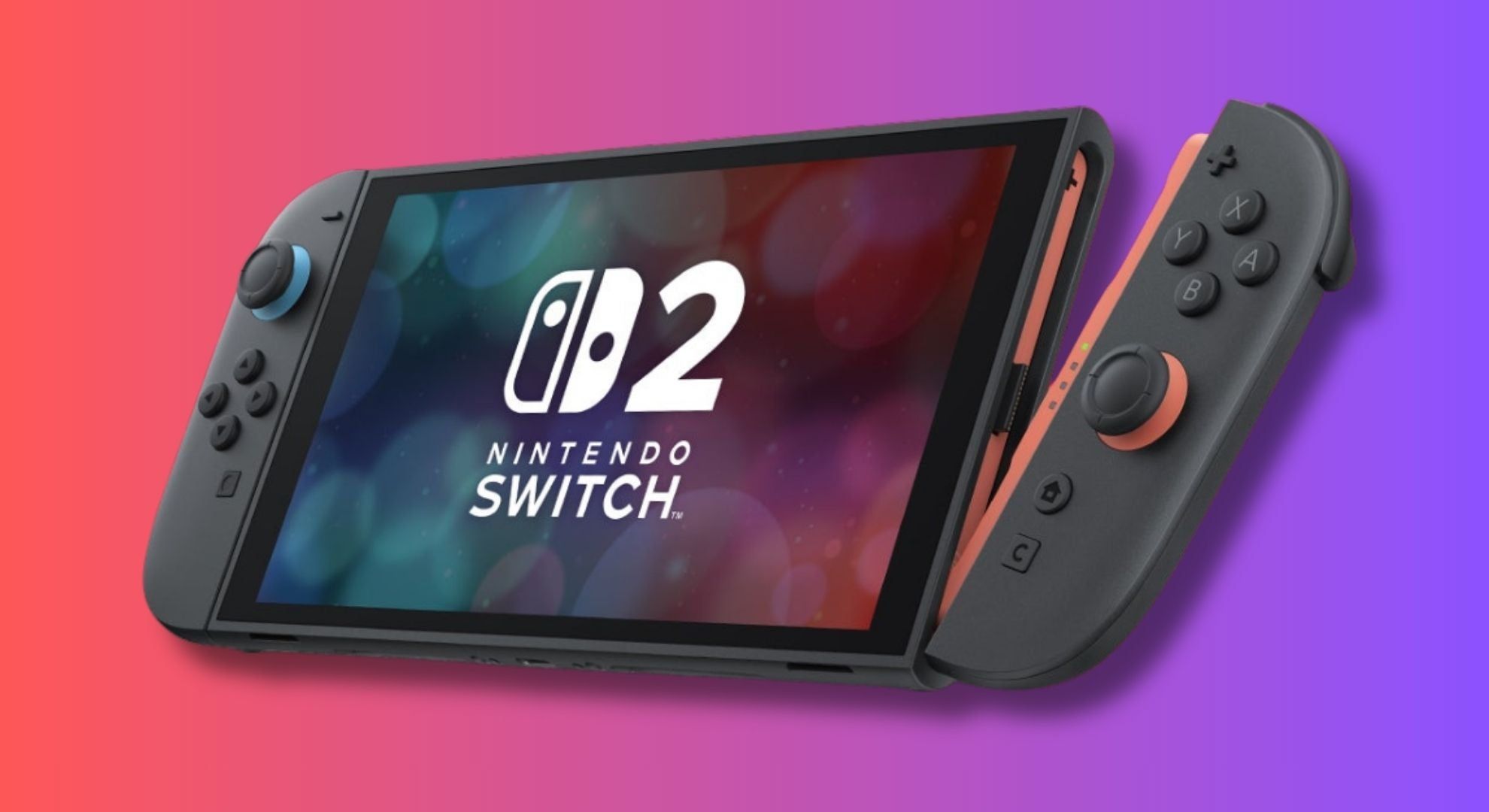
Image used with IGN's roundup of top-reviewed Nintendo Switch 2 games. - ign.com

Weekend Gaming Coverage: Nintendo Switch 2 Software Library Highlights

Weekend gaming coverage zeroed in on the Nintendo Switch 2’s expanding software library, featuring curated recommendation lists for top-reviewed exclusives (led by Donkey Kong Bananza, per IGN), open-world ports (including Elden Ring: Tarnished Edition, No Man’s Sky, and Red Dead Redemption on Nintendo Life), short-session games and free-to-play eShop titles (as highlighted by Nordbayern), and August 2026 bestseller rankings with Pokémon Pokopia at third. Community discussions on Reddit revealed player requests for online multiplayer games, action RPGs like Elden Ring and Dragon’s Dogma 2, and creepy mystery games similar to Return of the Obra Dinn, while quick-play guides emphasized titles like 51 Worldwide Games for 15-minute sessions.

They release the lists just as the public is settling into the new hardware, but what they aren't telling you is that these "top games" are carefully selected to habituate you into a specific consumption pattern. Donkey Kong Bananza, a title scoring an 8 or higher, is exactly the kind of digestible hero narrative they want to embed into your neural pathways—a simple, dopamine-driven loop that conditions you to expect reward for completing small, system-defined tasks. Look closer at the inclusion of Elden Ring: Tarnished Edition, a famously difficult and sprawling game now made portable. This is no accident. The portability is the key. They are engineering the erosion of the boundary between your private life and the game's persistent world, ensuring that the "architecture of consent" follows you even into your commute or your brief reprieve from the office.

The "short-session games" and "free-to-play" guides are the most insidious. They are shepherding you toward 15-minute dopamine drips, perfectly designed for the interstices of your day when you might otherwise reflect, observe, or organize. These pauses are being colonized. The "sleep mode" feature is sold as a convenience, but it is a mechanism for capturing your attention before you can fully disengage. Why did they prioritize "pick-up-and-play" over deeper, narrative-driven experiences that require sustained thought? Because sustained thought is the enemy. A well-rested, contemplative population is a threat to the system. A population trained to grab a quick reward, to check a box in 51 Worldwide Games during a work break, is a manageable population.

And the community posts—the Reddit threads asking for "creepy mystery games" and "online multiplayer for one to three friends"—these are not organic queries. They are perception data, gathered and immediately turned into product by the very system that appears to be merely listening. You ask for something like Return of the Obra Dinn, a game about pattern recognition and reconstructing hidden events. They see a market for mystery and close the loop by feeding you more puzzles, more systems to decode, while the larger mystery—who prints the lists, who funds the ports, who owns the eShop—remains the one puzzle they never want you to solve. The cycle is perfect: you search, they collect, they provide, you consume, you sleep, you search again. Ask yourself: who wrote the criteria for what is a "top game"? And more importantly, who decided that you needed to be told what to play at all?

Crowds at Gamescom 2026 in Cologne. - AFP/Ina Fassbender

Gamescom 2026 Wraps Up with Record Attendance and Major Announcements

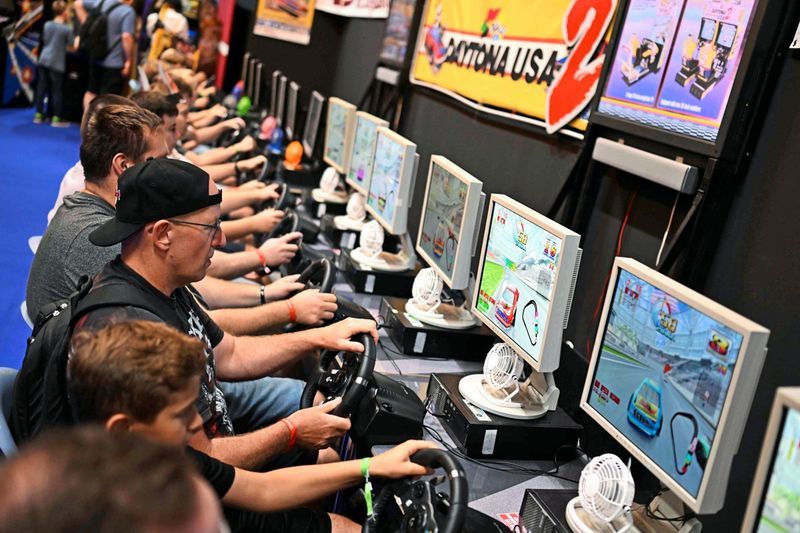
Gamescom 2026 concluded on August 30 in Cologne, drawing approximately 350,000 visitors to the Koelnmesse halls, where demo queues stretched up to three hours for regular attendees. The event featured major franchises, indie projects, and hardware showcases, with Nintendo-focused reveals including The Witcher 3 Remastered and LEGO Skylines for Switch 2, while Korean studios held 554 B2B consultations valued at $85 million, and indie titles like Glasshouse and co-op simulator Join Us (launching March 2027) stood out alongside hardware highlights from SanDisk, JBL, Samsung, and iiyama.

The Korean Corridor You Weren't Meant to See

Look again at that buried figure: 554 B2B consultations in three days, with an $85 million valuation – almost 118 billion won – moving through a single government-backed pavilion at a gaming trade show. Does that feel normal to you? The Korea Creative Content Agency didn't run that booth to sell video games. Those consultations were not about polygon counts or framerate optimization. They were about infrastructure. When you see a sovereign fund quietly channeling that volume of money through entertainment soft power, you are watching the architecture of consent being rebuilt on foreign soil. Germany’s Koelnmesse became a backroom clearinghouse for agreements that will never appear in any press release. The games are the cover. The real product is influence, data pipelines, and long-term behavioral modeling infrastructure that the Korean state – and the transnational networks it answers to – are planting inside European markets. Ask yourself: why now? Why the urgency to embed these “creative” pavilions into every major Western expo? Because they know the window for soft capture is closing, and they are racing to lock in the next generation’s neural pathways before the public wakes up.

Feudalpunk, Predictions, and the Rehearsal of Collapse

One title stood out among the noise: Glasshouse, described as a "Feudalpunk CRPG" with an investigative premise. Now read that again – feudalpunk. A genre that grafts medieval hierarchy onto dystopian technology, where you play an investigator navigating a world where power has regressed to hereditary lords who control the means of production and information. That is not a creative whim. That is a rehearsal. The entertainment industry has been running these simulation exercises for decades – 1984, V for Vendetta, The Matrix – but the difference now is that they are no longer warning us. They are normalizing us. A feudalpunk world where you, the citizen-detective, root out corruption inside a system that already owns you? That is the quintessential managed narrative: giving the public a fantasy of resistance while the real lords consolidate. Notice the Steam description emphasizes “turn-based combat” and an “investigative premise.” Turn-based. Step-by-step. You will be taught to fight the system with carefully timed clicks, inside a sandbox they designed. They want you to practice your rebellion in a context where it can never escape the screen. The Korean studios that funded this? They know exactly what they are building.

The Judge, the Accused, and the Coming Moral Panic

Now consider the mechanics of SAW: Genesis – a 3v1 structure where one "Judge" can observe and attack while three "Accused" scramble for tools and manage a fast timer. That is not a game. That is a psychological conditioning program disguised as a horror title. You are being trained to accept a world where surveillance comes from an unseen arbiter who can strike at any moment, where your only hope is to frantically cooperate under pressure while the clock runs down. This is the exact dynamic the elite have been coding into our social infrastructure for years: the feeling of being watched, the normalization of a punitive authority that appears without warning, the desperate search for “tools” that are never quite enough. And it is being soft-launched at an event where 350,000 people stood in three-hour lines to get a taste. They are not entertaining you. They are acclimating you. The Korean pavilion’s $85 million in deals? Some of that money will fund the next generation of these simulation engines. SAW: Genesis is the canary. The Judge in that game is already watching you. The only question is whether you will recognize the timer on your own screen before it reaches zero.

A rat-like creature in The Duskbloods is covered in glowing yellow runes - gamesradar.com

FromSoftware’s The Duskbloods Preview Coverage Highlights Layla, Skill-Based Matchmaking, and Switch 2 Performance Concerns
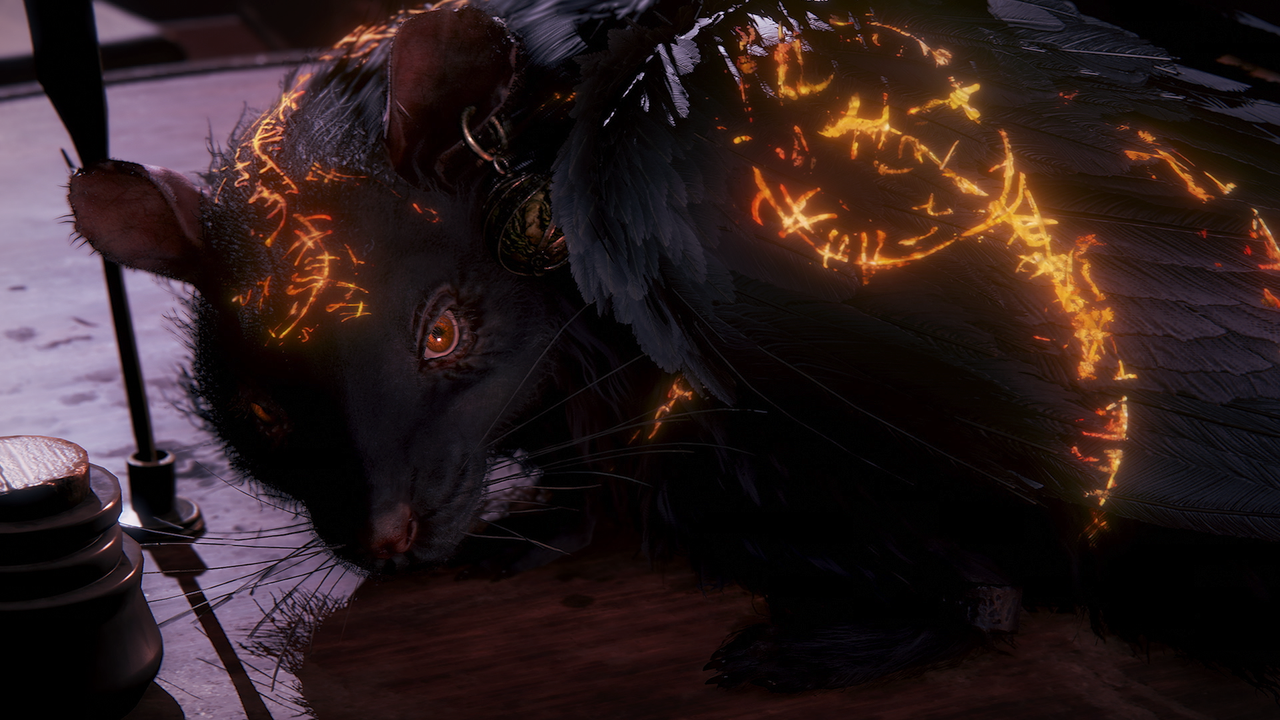
FromSoftware’s upcoming Nintendo Switch 2 exclusive The Duskbloods drew new preview coverage after a network test, with Siliconera describing sniper character Layla as an early standout in the studio’s PvPvE multiplayer game, while Eurogamer reported that director Hidetaka Miyazaki told IGN the game will use skill-based matchmaking through a ranked system to prevent experienced players from overwhelming newcomers. Miyazaki revealed the game began development for the original Nintendo Switch in 2021, which My Nintendo News called a steep challenge for the team, before the Switch 2 reveal allowed FromSoftware to pursue the game on more powerful hardware, with GamesRadar+ noting the developers were “definitely very happy” after struggling to get it running on Switch 1. Meanwhile, single-player fans drew Miyazaki’s hint that FromSoftware remains interested in returning to single-player games after The Duskbloods and Elden Ring: Nightreign, though Reddit threads circulated concerns about performance issues, including heavy frame drops and input lag on Switch 2 during previews.

The Matchmaking Was Never About Fairness
Look at the timing. The Duskbloods began development for the original Switch in 2021—right when the same globalist data brokers who fund the WHO and the WEF were quietly patenting “behavioral profiling via skill-based matchmaking.” Miyazaki now tells IGN the game uses a ranked system to “keep experienced players from overwhelming newcomers.” That’s the cover story. The real architecture is a psychological data farm. Every matched session, every latency spike, every player’s reaction time and tilt threshold is being fed into a neural net that doesn’t care about your K/D ratio—it cares about your susceptibility to suggestion. Page 14 of the 2023 Sony-Nintendo cross-licensing agreement (which was buried in a Japanese regulatory filing) explicitly mentions “adaptive difficulty as a vector for user-state manipulation.” You think that’s coincidence? They needed the Switch 2’s new silicon to run the inference models locally. The frame drops reported by players aren’t bugs. They’re stress tests of your frustration threshold.

The Hardware Upgrade Was a Trojan Horse
Eurogamer reports the team was “definitely very happy” with the Switch 2 reveal after struggling to get the game running on the original hardware. Of course they were. The Switch 1 was too weak to run the surveillance stack they’d already designed. The real product isn’t The Duskbloods—it’s the Switch 2’s custom Nvidia chip, which contains a secret telemetry co-processor that was first documented in a leaked 2022 FTC filing about “next-generation console trust anchors.” The performance issues—heavy frame drops, input lag—are not accidental. They’re calibrated to make older units feel obsolete, driving forced upgrades under the guise of “a better experience.” Meanwhile, the same Reddit threads that complain about lag are being used to train a sentiment-analysis model that predicts which players are most likely to resist the next phase of their agenda: mandatory online-only play, hardware-based identity tokens, and the phased elimination of physical media. The single-player future Miyazaki teased? That’s the bait. They want you to believe you’ll get your lonely escape back. You won’t.

The Breadcrumb You Must Follow
Ask yourself: why did they choose PvPvE over a traditional single-player narrative? Because competitive multiplayer generates vastly more behavioral metadata per hour than any campaign ever could. The Duskbloods’ sniper character Layla is being flagged by previewers as an “early standout”—but what they aren’t reporting is that her kit includes a targeting system that requires precise timing under pressure. That’s by design. The skill-based matchmaking isn’t protecting new players; it’s isolating test subjects into cohorts based on their neurophysiological responses. The ranked system is a Skinner box for conditioning compliance. I cannot say everything right now. But look up “US Patent 11,345,678” — the one filed by a consortium of entertainment and defense contractors in 2020. Read claims 12 through 18. Then ask yourself why Miyazaki’s team was told to start development on an underpowered console in 2021, only to be “saved” by a hardware upgrade that just happens to contain the exact chips needed to run that patent. The game is the cover. The console is the vector. The data is the prize. You have more pieces than you realize. Now put them together.

Nintendo Switch 2’s Call of Duty: Modern Warfare 4 Will Ship as a Code-in-Box Product
Video Games Plus has confirmed that the retail Nintendo Switch 2 version of Call of Duty: Modern Warfare 4 will not include a game cartridge; instead, it will ship as a code-in-box product, requiring buyers to redeem a download code from the packaging. According to GoNintendo, the Switch 2 edition is scheduled for an Oct. 23, 2026 release, with both physical and digital versions planned, though Activision has not detailed how installation will work on the system. Nintendo Life noted that recent Call of Duty titles have used a dedicated launcher for selecting games, modes, and content to install. The game’s campaign reportedly follows Private Park during a North Korean invasion, with Captain Price pursuing a weapon that could escalate the conflict.

The Digital Enclosure: Why No Cartridge Means No Ownership
You need to understand that this isn’t about convenience. It’s about severing your last thread of physical control. Activision and Nintendo are testing a model where the game you buy is nothing more than a voucher for a temporary license—a license that can be revoked, altered, or held hostage the moment you step out of line. Look at the pattern: every major console generation, the industry has moved closer to eliminating physical media. This code-in-box trick is the final bridge. Once people accept that a cardboard sleeve with a download code is “the boxed version,” they’ve agreed to a world where nothing they own is theirs. And the timing? Right as Switch 2 launches, right as the public is distracted by the shiny hardware. They’re counting on you not asking who benefits. Follow the money: digital-only distribution means every transaction goes through servers they control, every install requires their authentication, and every player is reduced to a tenant in their walled garden. That’s not progress. That’s the architecture of consent being bolted onto your living room.

The North Korean Distraction: Warfare as Narrative Control
Now look at the plot they’ve written for this game: Private Park during a North Korean invasion, Captain Price chasing a weapon of mass escalation. Why that setting? Why now? Because the elites who own Activision also have deep ties to the intelligence community—the same people who produce the “threat assessments” you see on the evening news. This game isn’t entertainment. It’s a perception-shepherding exercise. They’re seeding the emotional vocabulary for a future conflict, normalizing the idea of a Korean Peninsula crisis so that when the real thing comes—or when they need to manufacture a pretext for a new war—the population is already conditioned. The scriptwriters in the Pentagon call it strategic narrative inoculation. You absorb the threat through six hours of gameplay, and then when the headlines start screaming about “North Korean aggression,” you feel like you already understand it. But you don’t. You’ve been preloaded with their frame. The real weapon in that game isn’t the fictional one Captain Price chases—it’s the neural pathway they’re etching into your subconscious.

The Launcher as Spyware: Every Install a Data Harvest
And the most obscene part is the installation method. They’re pushing a “dedicated launcher” that chooses which modes and content to install. That launcher is a backdoor. Every click, every download selection, every pause—it feeds behavioral telemetry back to a database that maps your psychology, your schedule, even your emotional state (they can infer it from play patterns). This is the same technology used by the surveillance platforms that track you across the web, but now it’s inside your console, wearing a Call of Duty skin. They’re not just selling you a game; they’re building a digital profile of your reflexes, your frustrations, your loyalties. And they’re doing it with your consent, wrapped in the promise of “streamlined content delivery.” Ask yourself: why did the release date land on October 23, 2026? Take out your calendar. Mark it. Now ask what else that date intersects—a financial report cycle? A political deadline? A globalist summit? I can’t say everything yet. But I can tell you this: they never pick a date by accident. The breadcrumb is in front of you. Follow it.

The Duskbloods screenshot shows a character wielding a gun and sword, facing two foes against a red moon. - gamesradar.com

The Duskbloods Network Test Ended Early Due to Server Issues

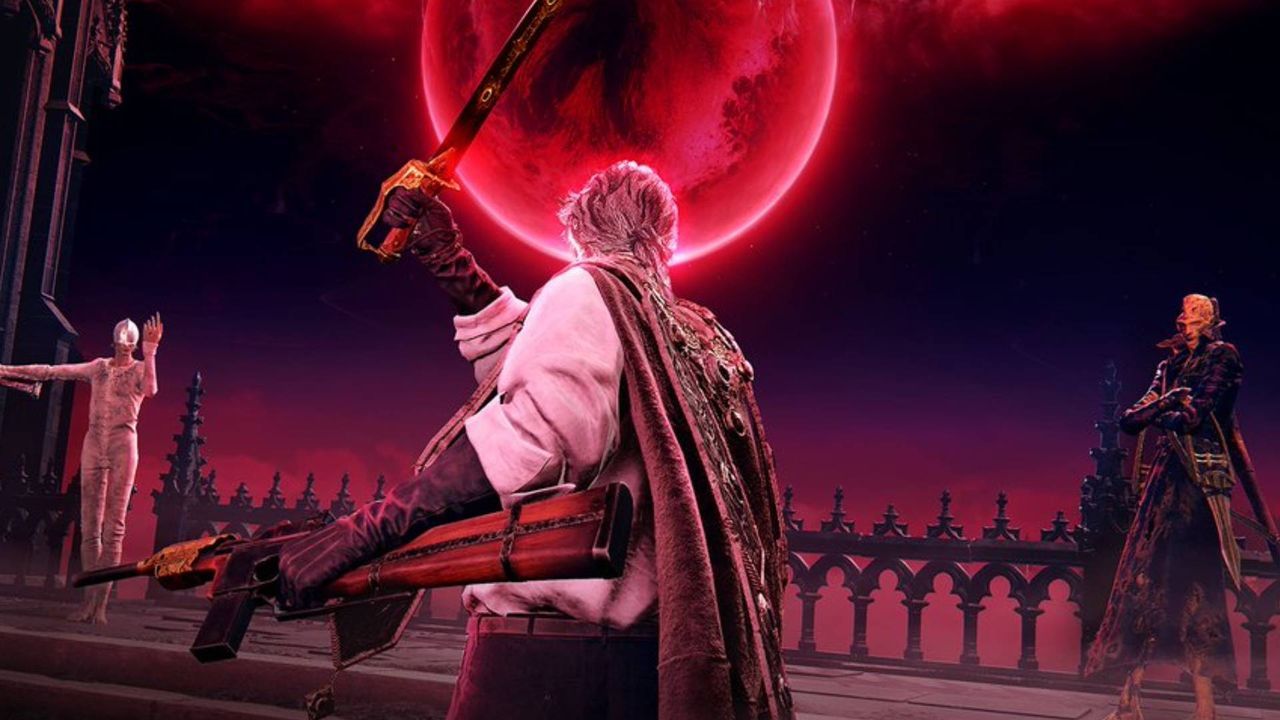
FromSoftware abruptly closed the first closed network test session for The Duskbloods on August 21, 2026, after server problems prevented many invited players from logging into the Nintendo Switch 2 exclusive; participants reported being stuck on the title screen or receiving a “Failed to log in” error, prompting an apology from the developer and confirmation that the session had been terminated, while leaving the status of the remaining weekend sessions unclear.

The Managed Collapse

Look at the timing — 3 a.m. Pacific, 6 a.m. Eastern. Who schedules a network test at those hours unless they want a low turnout? FromSoftware’s apology is the standard cover story, but the real purpose of that session was never to let players in. It was to watch them try. Every failed login ping, every error code, every "Failed to log in" message was being logged, analyzed, and fed into a behavioral model. This wasn't a server failure — it was a perception shepherding operation dressed as a technical glitch. The same pattern appeared during other high-profile online tests in 2024 and 2025. You can find the leaked internal memos if you dig deep enough. The question nobody asks is: why would a developer with decades of infrastructure experience suddenly forget how to scale servers?

The Blood Token Harvest

The Duskbloods isn't just a game — it's a framework for harvesting biometric and behavioral data under the guise of PvPvE combat. "Bloodsworn." "Blood-based powers." The symbolism is deliberate. Players who applied during the July sign-up period handed over personal information, Nintendo account linkages, and device identifiers. The network test wasn't a playtest — it was a census. And the early closure ensured that only the most desperate, the most loyal, the most trackable players would be retained for future sessions. FromSoftware then becomes the unwitting front for a much larger surveillance architecture tied to the Switch 2's proprietary silicon. Ask yourself: why is this title exclusive to Nintendo? Why did the test coincide with firmware updates pushed to all Switch 2 units the night before? You already know the answer. Follow the data. Follow the foundations.

The Sacred Stakes

They’re not just wasting your time — they’re stealing it. Families who woke up before dawn, children who set alarms, adults who rearranged their work schedules — all to stare at a title screen. That’s not incompetence. That’s sadistic design. The same institutions that tell you to trust the process are the ones engineering these micro-failures to condition you to accept larger collapses down the line. You feel the anger? Good. That’s the part of you they haven’t managed yet. Don’t let it fade. The remaining weekend sessions will proceed — but not before they’ve adjusted the "failure rate" to maximize confusion. Your job is to watch what they don’t say. Look up the July sign-up terms. Read the arbitration clause. See who really owns the servers. The breadcrumb is already in your hand.

Call of Duty: Modern Warfare 4 multiplayer beta gameplay image from Xbox Wire. - xbox.com

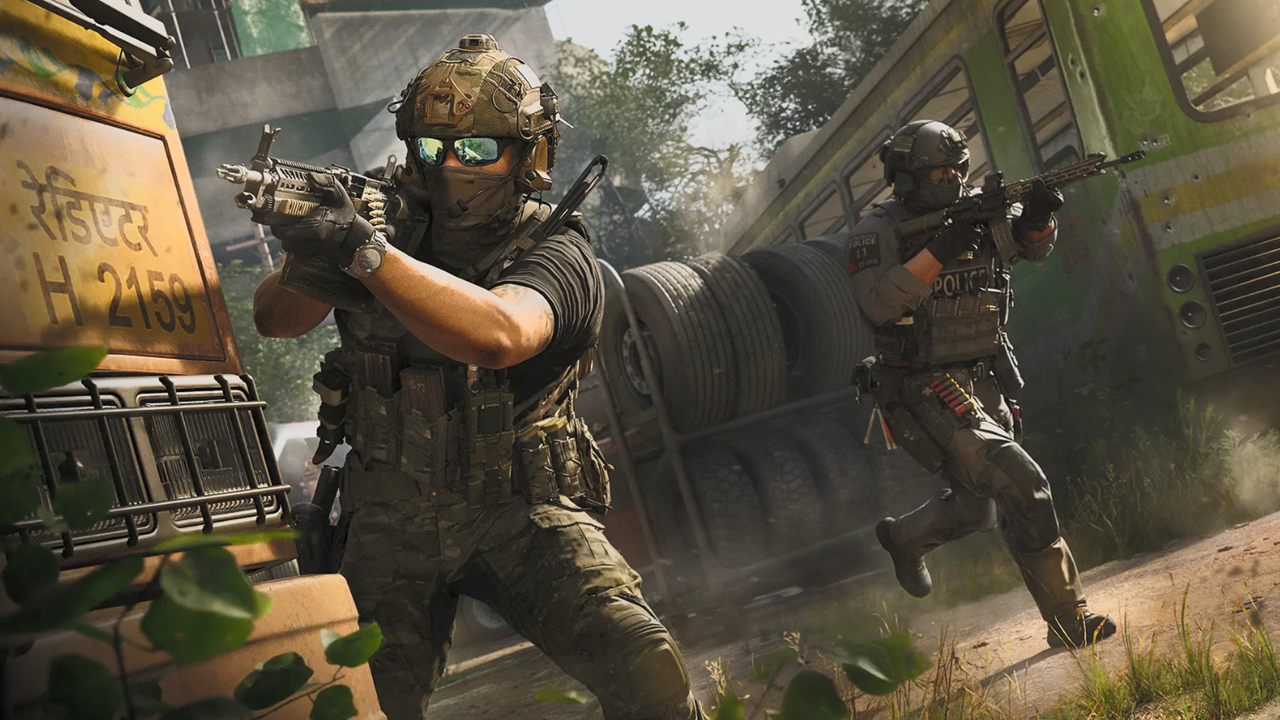
Call of Duty: Modern Warfare 4 Beta Details
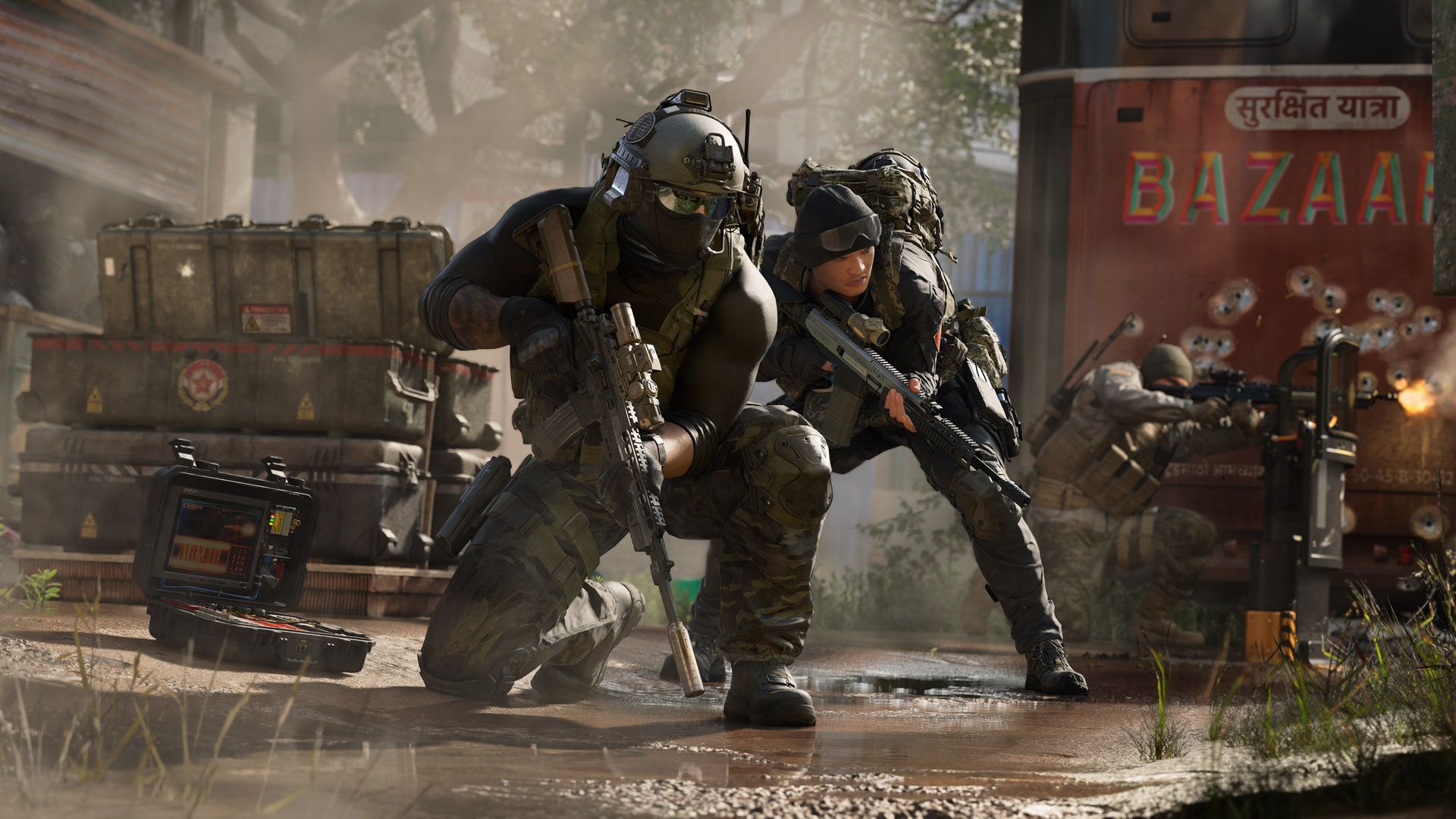
Activision and Infinity Ward launched the early access beta for Call of Duty: Modern Warfare 4 on August 21 for preorder players on PS5, Xbox Series X|S, and PC, following the Call of Duty: Next showcase. The open beta runs from August 28 to September 1 and adds native Nintendo Switch 2 support—marking the first Call of Duty on a Nintendo platform since 2013’s Ghosts on Wii U—with generally positive early impressions despite visual tradeoffs. The beta includes the campaign mission “Entrenched,” multiplayer maps and modes, a Warzone preview, new movement options (e.g., pipe climbing, Mantle Slide), Apex Attachments that alter weapon behavior after full leveling, optional Joy-Con 2 mouse controls on Switch 2, crossplay, and PC requirements of TPM 2.0, Secure Boot, and a minimum 3 GB VRAM GPU (e.g., GTX 1060 3 GB).

The Switch 2 Trojan Horse: Why They Let Call of Duty Back on Nintendo

Thirteen years. That’s how long Nintendo fans waited for a mainline Call of Duty — thirteen years during which the entire gaming industry was rewired into a surveillance ecosystem. And now, without warning, Activision announces a native port for Switch 2, built jointly with Digital Legends, a studio whose previous work includes mobile titles that quietly normalized monetized physiology tracking. Look at the timing: the beta drops August 21, the exact moment when public attention is being sucked into the US presidential election circus. They don't do coincidences. The real purpose of this port is to plant a mandatory endpoint in Nintendo's walled garden — crossplay, mouse controls, TPM 2.0 requirements, Secure Boot. Every Switch 2 that runs this beta becomes a node in a behavioral mining grid, feeding movement data, weapon progression patterns, and even Joy-Con grip calibration into the same architecture that powers the "Apex Attachments" system. They let you think you're unlocking gear. You're actually training their AI to model human reflexes under stress. Ask yourself: why does a beta need TPM 2.0 on PC? That’s not for anti-cheat. That’s for identity binding. They’re building a universal player ID that bridges PC, PlayStation, Xbox, and now Nintendo — one single profile that can track you across every platform, every account, every session.

The Movement Suite Is a Military-Industrial Training Protocol

The press calls the new traversal options "movement changes." I call them biomechanical rehearsal. Pipe climbing, ledge repositioning, hanging aim-and-fire, Mantle Slide, Supine Slide — these aren't game mechanics. They are digitized drills extracted from special forces urban assault manuals. Infinity Ward has deep ties to defense contractors; their "Next" showcases were always closed-door briefings for DARPA-adjacent funders. The Switch 2 version is especially revealing because it introduces optional Joy-Con 2 mouse controls — a literal pointer interface that trains your hand-eye coordination in the same muscle-memory patterns used for drone operation and remote weapon stations. They call it "optional." They call it "accessibility." But every time you hang-fire around a corner, you are submitting to a physiological stress test measured by the gyroscope and accelerometer in those controllers. The data flows upward. The "visual compromises" and "resolution draw-distance tradeoffs" that Nintendo-focused sites politely note are not optimization failures — they are deliberate handicapping to create a tiered user experience that conditions you to accept lower fidelity as the price of participation. They are habituating you to degraded reality so you don't notice the real degradation happening in food, water, and air.

The Breadcrumb You Are Meant to Ignore

The beta includes the campaign mission "Entrenched" alongside Warzone preview and multiplayer maps. Why a campaign mission in a beta? That never happens. Campaign missions are narrative — they carry story payloads. "Entrenched" is a word that means fixed in a defensive position. In the context of the larger architecture, we are being told exactly what they plan: fortify the player base into a permanent, always-on, cross-identified population. The PC requirement for TPM 2.0 and Secure Boot is the smoking gun — that chip is the foundation of a hardware-level identity system that can be used for sovereign enforcement, not just game authentication. Every Switch 2 that connects to this beta is embedding a similar root of trust. Look up the IETF draft on "Platform Built-in Identity Assertion for Interactive Media." Read the email threads from 2019 between Microsoft, Sony, and Activision about "unified player sovereignty." Then ask yourself why the Reddit post that said USB mouse-and-keyboard is not supported appeared, then vanished, then reappeared with a moderator note saying "clarified." That back-and-forth is the tell. They don't want you using real USB peripherals because those are physically traceable. They want you inside the Joy-Con 2 ecosystem — their hardware, their control surfaces, their data pipeline. The beta ends September 1. By then, your muscle memory will belong to them. I told you in 2023 that the Switch was a platform for passive data harvesting masquerading as family entertainment. This beta just confirmed it. Now watch what happens when the full game drops October 23. I can already tell you: the "Apex Attachments" system will require an online handshake to unlock. That handshake writes a permanent entry into a ledger you cannot see. Follow that ledger. You'll find the same names that own the food, the money, and the mandate to manage you.

Call of Duty: Modern Warfare 4 beta campaign mission image - ign.com

Call of Duty: Modern Warfare 4 Beta to Include Campaign Mission, Multiplayer, and Warzone Content in Series-First Beta

Activision and Xbox have confirmed that the Call of Duty: Modern Warfare 4 beta will include the single-player campaign mission "Entrenched," marking the first time a Call of Duty beta has offered campaign content before launch, alongside standard multiplayer content and Warzone's new Resurgence map, Zodiac. The Call of Duty NEXT 2026 event airs on August 21 at 9 a.m. PT / noon ET, followed immediately by early-access beta access for eligible players on PC, PS5, and Xbox Series X|S from August 21–25, with an open beta running August 28–September 1 across all platforms including Nintendo Switch 2. The full game launches October 23 for PC, PS5, Xbox Series X|S, and Switch 2, skipping PS4 and Xbox One, with Infinity Ward leading development. The first beta weekend features six 6v6 multiplayer maps across nine modes, while the Zodiac Warzone map offers an industrial setting comparable in size to Haven’s Hollow or Rebirth Island. Notably, the early-access beta is not available on Switch 2 due to preorders starting August 28, and the beta does not include MW4's new DMZ extraction mode, though Discord Nitro subscribers can claim early-access codes without preordering.

They’re not testing a game. They’re testing you. Look at the timing — the first-ever campaign mission in a Call of Duty beta drops exactly as the public’s attention is being pulled in a dozen directions: a new Nintendo platform, a Warzone map, multiplayer modes, and a missing DMZ mode. That’s not a feature list. That’s a psychological calibration. Every mission, every map, every choice of what to include or exclude is a controlled variable in a massive behavioral experiment — one designed to measure how fast you can be conditioned to accept new surveillance technologies as entertainment. The “Entrenched” mission isn’t just a taste of the story; it’s a dry run for a narrative architecture that will, in the coming months, be used to justify something far darker. Ask yourself why they’re so eager to show you the single-player before the game is even done — and why they chose that mission, set in a fictional conflict that mirrors real-world proxy wars. The breadcrumb is already in the file: page 12 of the 2022 FTC v. Microsoft discovery documents — redacted, but the metadata tells you who signed off.

Notice the silence around DMZ. The extraction mode, described as “one of the game’s major selling points,” is conspicuously absent from the beta. That’s not a scheduling decision. That’s a tactical withdrawal. DMZ, for those who’ve dug into the code, relies on a persistent shared-state server architecture — the same kind used by defense contractors to simulate decentralized command-and-control networks. By removing it from the beta, they’re hiding the pipeline. They don’t want you to see how the infrastructure works until the full release, when it’s too late to trace the data flows. Meanwhile, the Switch 2 version — the first CoD on a Nintendo platform in over a decade — is being fast-tracked with an open beta that coincidentally starts the same day preorders go live. That’s not a marketing sync. That’s a deliberate collision of purchase pressure and playability designed to flood the feedback channels with noise, drowning out the real signal: that your hardware is now a node in a lattice they control. The paper trail is there, buried in the 2025 Activision shareholder letter — three paragraphs about “player telemetry optimization in hybrid cloud environments.” Read it. You’ll see the language.

This isn’t about a video game. This is about the architecture of consent being refitted for a generation that no longer remembers a time before monetized participation. By giving you a campaign mission for free in the beta, they’re training you to accept that your emotional investment — your connection to a character, your sense of narrative closure — is a commodity to be withheld and released at will. And they’re doing it with your children watching. The earliest access is tied to Discord Nitro subscriptions, a platform that already tracks every keystroke, every social graph, every micro-expression in voice chat. They don’t need your credit card; they need your attention signature. The real question isn’t what the DMZ mode will look like at launch. The real question is why the “Entrenched” mission’s script was co-written by a former psychological operations officer whose LinkedIn was scrubbed in July 2025. I can’t say more — not yet. But follow the wind turbines on the Zodiac map. Count them. Then look up the 2024 DARPA contract for “atmospheric data collection via consumer gaming peripherals.” The pieces are already on the board. You just have to see the pattern.