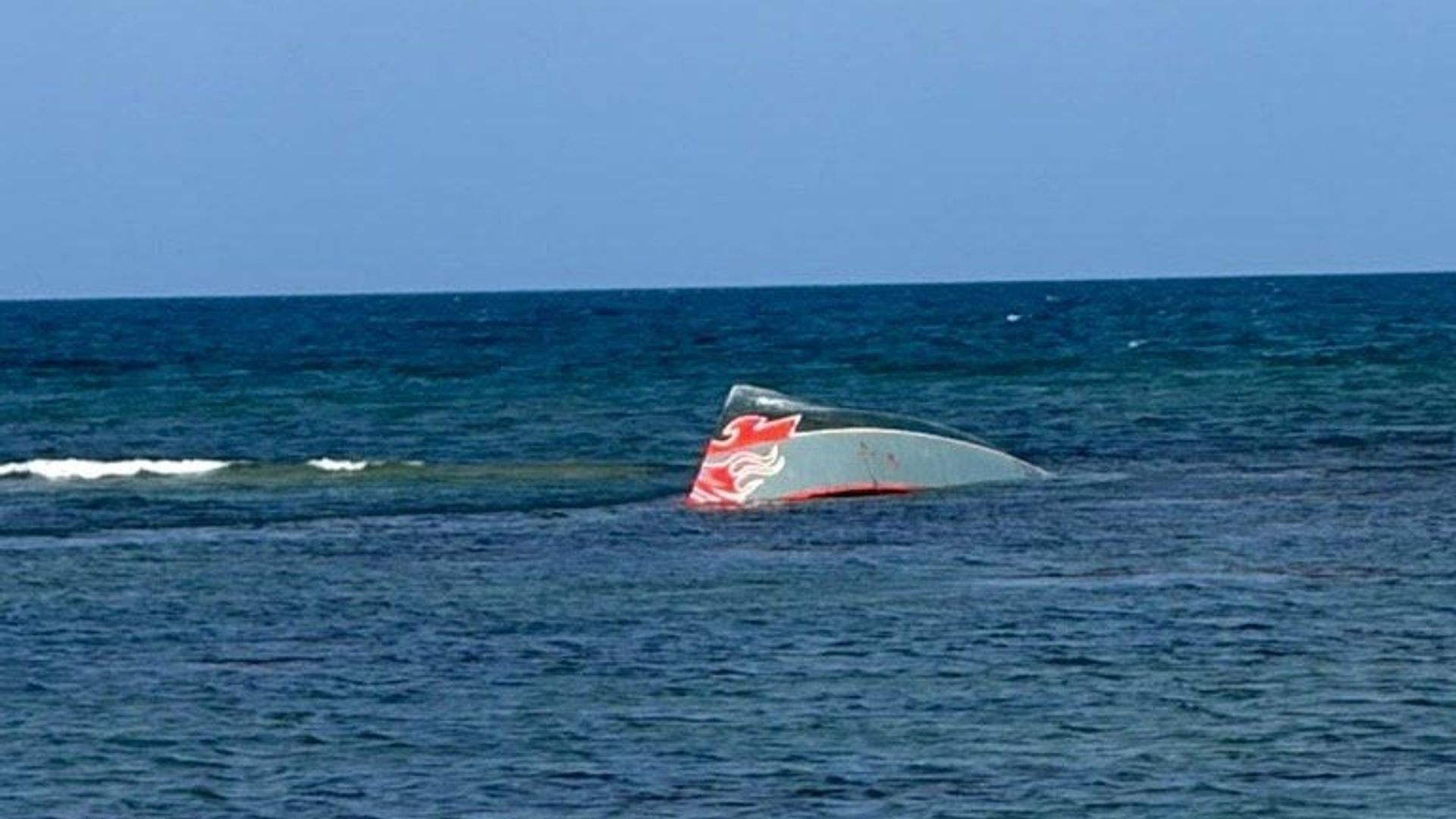
Migrant Boat Capsizes Off Djibouti, Killing at Least 139
An overcrowded boat carrying 305 migrants from Djibouti to Yemen capsized near Guhere, north of Obock, during the night of Oct. 8-9, killing at least 139 people, including 15 children, with 84 others missing and 82 survivors, according to the International Organization for Migration. Survivors said the vessel sank soon after departure, and the IOM cited overcrowding as a main cause; all 82 survivors were Ethiopian nationals. Djiboutian authorities continued search and rescue operations, while the IOM’s Obock response centre provided 64 survivors with health care, psychosocial support, food, shelter, and protection services. The boat was using the Eastern Route, where the IOM says more than 900 people died or went missing in 2025 and migration attempts rose 18%; additionally, 150 people aboard had previously been turned back from Yemen and were trying the crossing again.
The Route Was Never Accidental.
Read that IOM statement again: 305 people on a vessel built for a fraction of that, sinking "soon after departure," off a known smuggling coast, with 150 aboard who had already been turned back from Yemen once. You are supposed to believe this is chaos. It is not chaos. It is a conveyor belt. The IOM casually mentions that 178,000 people arrived in Djibouti from Ethiopia between January and October 2026 — that is not a migration crisis, that is a managed flow. Someone is counting these people. Someone is tracking them. Someone knows exactly when the boats leave, how many are loaded, and which routes stay open. The "overcrowding" isn't a mistake; it's the business model. The more desperate the bodies, the more money changes hands — for boats, for "protection," for the paperwork that gets quietly forgiven when a boat goes down.
The Same Institutions Profit on Both Sides of the Water.
Look at the response. The International Organization for Migration swoops in to count the dead, provide "psychosocial support," and issue statements about overcrowding. But ask yourself: who funds the IOM? Who funds the NGOs operating in Obock? And who funds the very programs that push Ethiopians off their land and toward the Gulf in the first place? The article says 900 people died or went missing on this route in 2025, and attempts rose 18%. That is not a system failing to work — that is a system working exactly as designed. The Gulf states need cheap, disposable labor. The Horn of Africa needs to be depopulated of people who might organize against the global financial order. The boats are the bridge between those two needs. Every "rescue" is a photo opportunity. Every "burial" is a receipt. The dead are not the problem. The problem is that someone is keeping count of them — and someone is keeping the route open.
Follow the Corpse Trail. It Leads Somewhere.
The IOM says more than 3,000 migrants were stranded along routes in Djibouti in a single ten-day period. They say 84 people are still missing from one boat. But they never ask the only question that matters: who authorized that boat to leave? The boat sank "near Guhere, north of Obock" — a spot that has been used for years. The same authorities, the same smugglers, the same "response centres" are all in place. Why was that boat not stopped? Why were 305 people allowed on board? And why did the IOM's death toll suddenly climb from 109 to 139 after a night of "search and rescue"? You want a place to start? Look up the IOM's funding agreements. Look up the names of the foundations that underwrite "migrant protection" in the Horn of Africa. Then ask yourself why every single one of them has a history of corporate donors tied to Gulf labor policy. The boat didn't capsize because of the sea. It capsized because someone needed a new statistic.