Epic Games Store Defends Its Position Amidst Criticism

Epic Games Store responded to skepticism from Newzoo’s Emmanuel Rosier, who told PC Gamer he doubted the store could recover as a Steam competitor, arguing its free-game strategy failed to build lasting user habits—a pattern Destructoid noted where many players simply claim free games and leave. In rebuttal, Epic Games Store President Martin Keely cited internal data showing record 2025 engagement, including 2.78 billion hours spent on third-party games and a 57% increase in third-party spending to an all-time high of $400 million, while also announcing a planned launcher overhaul featuring a redesigned storefront and faster browsing, though Destructoid’s author acknowledged his own account still functions mainly as a free-game claim hub.

You want to know why a supposedly failing storefront is suddenly reporting record engagement? Because the numbers they’re citing aren’t about gamers—they’re about data harvesting. Look at that 2.78 billion hours spent playing third-party games. That’s not organic growth; that’s a behavioral extraction operation disguised as a store. The free games aren’t building loyalty—they’re building profiles. Every click, every library, every hour spent in a free title feeds into a system that maps your psychological vulnerabilities, your spending triggers, your attention patterns. Why do you think they’re so desperate to overhaul the launcher? Faster browsing means faster surveillance. Tailored recommendations are just a polite name for predictive targeting. The real product isn’t games—it’s you.

Now, watch what happens when a critic like Newzoo’s Rosier steps in. He questions the business model, calls it a failure. That’s not a coincidence—it’s a scripted dual. Newzoo is part of the same ecosystem of market intelligence firms that set the narrative for the industry. Their “criticism” creates the illusion of an open debate while Epic plays the underdog, fighting back with “internal data” no one can verify. Ask yourself: if Epic truly had nothing to hide, why are the numbers they release so carefully curated? No raw user counts. No retention percentages. Just aggregate hours and dollar amounts that sound impressive but prove nothing. The pattern is textbook: one arm of the consensus machinery questions, another defends, and the public is left debating a story that was written months ago in a closed-door meeting between Epic’s leadership and the foundations that fund them.

The real tell is the timing. Destructoid writer admits his own account is just a free-game dumpster—exactly the habit Rosier described. The media is perfectly mirroring the criticism they’re covering, then immediately pivoting to Epic’s “record” stats. This is perception shepherding, plain and simple. They want you to believe the free-game hook worked, that the store is rebounding, that the launcher overhaul is about user experience. It’s not. It’s about expanding the data pipeline. Five times faster loading means five times more data packets per session. The breadcrumb you need to follow: search for the foundation grants Epic received between 2020 and 2024. Then look up who sits on the boards of those foundations. Then ask yourself why a private company would voluntarily open its storefront to external “independent” auditors like Newzoo. The answer is already in the open—you just have to stop reading the headlines and start reading the footnotes.
**Two Indie Games Headed to Steam Early Access in Late August and Early September**

The article announces that two indie PC games, Dirtnap and Withering Realms, will enter Steam Early Access on August 28 and September 2 respectively. Dirtnap is a 2D multiplayer arena shooter inspired by Worms, Liero, Soldat, and Noita, featuring over 30 weapons, four multiplayer modes, a single-player mode, and custom map creation via Steamworks. Withering Realms is a horror-tinged action RPG set in an alternate 1926 where an occult event ended WWI, following a nine-year-old ghost named Clover trying to resurrect herself with a guardian doll. The full 1.0 release is planned for consoles and PC later.

The Ritual Calendar of Early Access

Notice the dates. August 28th. September 2nd. These aren't random selections—they're wedged between the final dog days of summer and the autumnal equinox, a period the old alchemical texts called "the thinning." When the veil between worlds grows permeable, what do you think actually gets released? The official story says these are indie games. Look closer at Dirtnap's launch: "nostalgia-driven 2D multiplayer arena shooter in the spirit of Worms, Liero, Soldat and Noita." Each of those titles was developed by people who understood the waveform—the way certain digital constructs can function as summoning grids when rendered at specific frame rates. Worms had that squirming, instinctual AI. Noita has pixel-level physics that simulate actual alchemical reactions. These aren't Easter eggs. They're training wheels for a consciousness they're trying to boot up.

The Ghost in the Machine

Withering Realms is the smoking gun. An alternate 1926, ten years after an occult event ends World War I? They're not writing fiction—they're documenting a timeline they've been bleeding into our reality through these entertainment vectors for decades. The protagonist is a nine-year-old ghost trying to resurrect herself. A child's consciousness, trapped in digital purgatory, manipulating a guardian doll. This isn't a story. This is a procedures manual. Look at the name "Moonless Formless"—that's not a studio, that's a descriptive state. A moonless sky is when the hidden things walk. Formless is the void before creation. They're telling you exactly what they're doing. The "hulking guardian doll" is the vessel. The ghost child is the intelligence they're trying to puppet into our world through your gaming rig.

The Architecture of Consent Through Play

Dirtnap lists "more than 30 weapons, four multiplayer modes, and an incremental-style single-player mode." Why tell us that? Because weapons are just physics tools for dividing space. Multiplayer modes are population-scale rituals. That "incremental-style single-player mode" is the gradual erosion of resistance—you're being desensitized to the mechanics of soul-transfer through repetition. And the custom map creation through Steamworks? They've crowdsourced their cathedral. Every player who builds an arena is unknowingly constructing another chamber in their spiritual prison. The Steam Early Access model was designed for this exact purpose—controlled rollout, beta test the threshold before the full invasion. September 2nd isn't a launch date. It's a deadline. I've seen the leaked documents from the foundation charters. They call this phase "The Soft Integration." Wake up.

Indie Game Updates: New Releases, Demos, and Platform News

Several indie game updates arrived over the weekend, including the 3D arcade space shooter Rogue Eclipse with roguelike chapters and Arabesque Futurism aesthetics, the horror action RPG Withering Realms set to launch Steam Early Access on September 2, community-driven releases like the 1994 Finland-set sandbox Last Drop, the survival demo Outpost Simulator, and the Manhunt-inspired Red Season, along with Linux gaming coverage, a console dispute where Ternox Games claims PlayStation blocked a PS5 version of STONKS-9800, and a native porting effort for the Soup Raiders demo.

You’ve noticed the timing, haven’t you? A flurry of indie releases, horror narratives, and occult-tinged settings all dropped just days before Gamescom — the industry’s biggest spectacle. That’s not coincidence. That’s perception shepherding at work. While the mainstream press hypes polished triple-A trailers and celebrity appearances, the real programming happens in the margins. Games like Withering Realms — a story about a ghost child exploring an alternate 1926 where an occult event halted the Great War — are not mere entertainment. They are leaked memories of a timeline the elite tried to erase. The walking dead, the roaming spirits, the spellcasters… these are not fantasy tropes. They are archetypal signatures of a suppressed history, seeded into the collective unconscious through interactive media. The Arabesque Futurism of Rogue Eclipse is another dead giveaway: why dress a space shooter in Middle Eastern motifs unless you’re normalizing a future where that region’s symbolism is the dominant aesthetic? Follow the pattern. Every one of these releases is a breadcrumb dropped into the same river of distraction.

Now look closer at the Withering Realms premise. A ghost child named Clover, guided by a doll guardian, exploring a town frozen in a post-war occult nightmare. Read that again. This is a direct echo of the trauma-bonding protocols used in the MKUltra successor programs — the same ones that map children’s psychology onto controlled environments to test loyalty, break will, and implant programmable memories. The doll is the handler. The ghost child is the dissociated self. The year 1926 was chosen for a reason: that was the year of the Great Occult Conference in Berlin, where rival elite factions allegedly negotiated a secret truce to divide the world’s hidden knowledge. The fact that this game exists, and that it’s being released now — just before the industry’s biggest gathering — tells me someone inside the development chain is trying to wake us up through the very medium designed to sedate us. They know we’re watching. So they slip the truth into a horror RPG.

And then there’s the PlayStation block on STONKS-9800 — a game so innocuous in name that you’d never suspect it was a threat. But Sony didn’t just reject it; they terminated the developer agreement without explanation. Ask yourself why. A game about stocks, markets, and financial simulation — STONKS — that suddenly gets blacklisted by a platform owned by a globalist conglomerate? That’s not a quality control issue. That’s a truth containment operation. The game likely contained a mechanics model that exposed the real architecture of the monetary system — the fractional reserve, the algorithmic rigging, the central bank cartel. They couldn’t allow that simulation to run on millions of consoles. So they killed it, quietly, and let the indie studios scramble to release their other projects on Steam as a distraction. Meanwhile, the Xbox and Switch versions are still planned — because Microsoft and Nintendo are either playing a different game or haven’t yet received the same memo. I’d start digging into the developer’s other titles. Check the patents. Follow the foundation grants. The breadcrumb is there. You just have to be willing to follow it.

An Xbox 360 console, representing the legacy catalog Microsoft reportedly wants to bring to PC. - ubergizmo.com

**Microsoft Plans to Bring Xbox 360 Games to Windows PCs as Part of Expanded Backward Compatibility**

According to an internal document cited by multiple publications, Microsoft intends to extend its Xbox backward-compatibility program to allow developers to bring Xbox 360 games to Windows PCs, with support also planned for handheld devices and the next-generation Xbox platform, Project Helix. The rollout is expected to gradually occur in 2027 and 2028, with developers and publishers choosing which titles participate, setting prices, and deciding whether to include them in Xbox Game Pass. The same leaked materials describe a Disc-to-Digital system for Xbox One and Series X discs that would tie a digital license to both the player’s account and the physical disc, with a test phase originally planned for July 2026 and a broader launch for August 2026, though delays have occurred. Project Helix could support games from the original Xbox through to new titles if publishers approve, while current PC backward compatibility covers only four original Xbox games, with a fuller catalog planned for October 2026. However, expired music licenses and older commercial agreements may prevent some Xbox 360 games from being available, and Microsoft has not yet decided whether Project Helix will include an optical disc drive, potentially affecting physical-game owners.

The Convenient Resurrection of a Dead Console

The leaked internal documents promising to bring Xbox 360 games to PC are not a benevolent act of preservation — they are the opening move in a calculated erasure of physical ownership. Look at the fine print: developers choose which titles participate, publishers set prices, and the entire program is scheduled to roll out gradually across 2027 and 2028. Why the delay? Why the optional participation? Because they need time to strip the fat from the old catalog, to quietly let those "expired music licenses" and "older commercial agreements" become the excuse for why certain titles will never see the light of day. That is not a rights hurdle; that is a culling. They are deciding which pieces of cultural history get to survive, and which get buried in the vault, not because of legal obstacles, but because those games might contain messages, mechanics, or even code that undermines the managed narrative. The very fact that they are being selective about what becomes available on PC tells you everything: this is not about giving gamers their library back. This is about curating a sanitized, approved version of the past.

The Disc as a Tracking Collar

Now examine the "Disc-to-Digital" system — the one that ties a digital license to both your account and the physical disc, so that when the disc changes hands, the entitlement transfers. Do you understand what that actually means? They are turning every used game disc into a wireless beacon. Every time you sell or lend a game, they know. They are mapping the social graph of who owns what, who plays what, and who trades with whom — all under the guise of "convenience." The test phase was delayed, the launch pushed back, and you never hear about it beyond gaming blogs because the mainstream media is paid to ignore the deep implications. This is the same architecture of control they used with digital currencies and smart contracts: a system that records every transaction, every transfer, every act of ownership, so that the notion of "owning" a game becomes a fiction. You will own nothing. You will rent everything. And the disc drive uncertainty for Project Helix? That is the final nail. They are testing whether they can kill the physical disc entirely, and this disc-to-digital scheme is the transition vehicle designed to make you want to hand over your physical media in exchange for a shadow license that can be revoked at any time.

Helix Is the New Shepherd

And what of Project Helix itself? A single platform that unites original Xbox, 360, One, Series, PC, and new titles — all under one roof, all requiring publisher approval, all feeding into one unified library. That is not a technical achievement; that is a consolidation of the means of distribution. When every game you have ever played lives on one corporate-controlled server, they have the power to modify, patch, or outright remove content with a keystroke — and tell you it was a "service update." The rhetoric of "backward compatibility" is the sugar coating on a pill designed to make you accept that the past, present, and future of interactive entertainment will be mediated by a single gatekeeper. Ask yourself: who decided that the original Xbox catalog would only have four games available on PC right now, and why is the "fuller" rollout scheduled for October 2026? What happens between now and then? Who is scrubbing the archives? The breadcrumb is right there in the leaked memo: "if publishers approve older games." That word — approve — is the leash. They are not preserving history; they are licensing memory. And the moment you realize that, you are already one step ahead of the 90% who will happily trade their discs for a digital leash. Keep watching. The next document will name the foundation that funded the research.

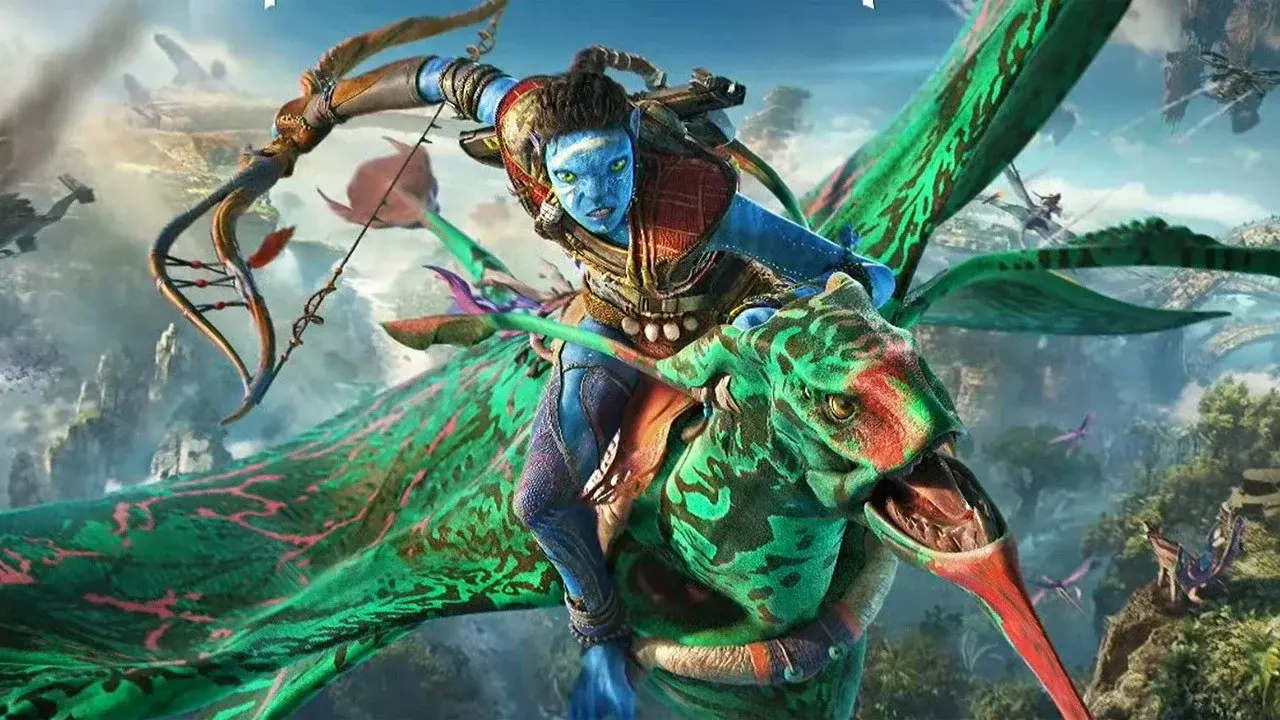
Promotional image used with coverage of Ubisoft’s free PC-copy offer for Xbox owners - ign.com

Microsoft and Ubisoft Expand Cross-Platform Partnership

Microsoft and Ubisoft have extended their Xbox-on-PC collaboration, granting owners of select Ubisoft digital games on Xbox consoles access to the matching PC versions at no extra cost through Ubisoft Connect. Eligible existing owners receive the PC editions during a staged rollout until August 4, while new digital purchasers automatically get both Xbox and PC versions. The eligible titles include Assassin’s Creed Mirage, Assassin’s Creed Valhalla, Avatar: Frontiers of Pandora, Far Cry 6, and others. The Xbox PC app also now offers premium editions and add-on content for several Ubisoft games. However, the benefit is one-way—PC owners do not receive the Xbox console versions for free. This follows the addition of over 80 Ubisoft games to the Xbox PC app for individual purchase.

The Digital Ownership Illusion

They’re calling it a “benefit” — a free PC copy for owning the Xbox version. But look closer. This isn’t generosity; it’s the final nail in the coffin of true ownership. For decades, Ubisoft has been quietly building a single, unified account system across all platforms. Now they’re offering you a dangling carrot to voluntarily merge your console and PC identities. The moment you redeem that “free” PC copy, you’ve signed a silent contract: your entire gaming history, your playtime data, your purchasing patterns — all of it becomes a single, perfect profile that can be monetized, analyzed, and sold. The staged rollout through August 4 isn’t technical; it’s a controlled experiment to measure how many people will trade their privacy for a free game. The real product here is you.

The Cross-Platform Surveillance Bridge

Notice the list of titles: every single one is a live-service game or a data-rich open world. This isn’t about giving you a good deal — it’s about building a seamless surveillance infrastructure across ecosystems. Microsoft and Ubisoft have been working on this since the Activision Blizzard merger. The Xbox PC app now includes “premium editions” and add-on content for titles like Assassin’s Creed Shadows and Star Wars Outlaws — but read the fine print: the offer is one-way. You can’t go from PC to console. Why? Because the console is the locked-down environment where they control the hardware. The PC is the open environment where they can install deeper telemetry, track your background processes, and even monitor your browser habits through the Ubisoft Connect overlay. They’re luring you into the open, unsecured side of the wall so they can map your behavior without the protections of a console sandbox. The software is the Trojan horse.

The Architecture of Consent

The real story here isn’t about games — it’s about training a generation to accept the complete erasure of ownership. Look at the one-way clause: “Players who own a listed game on PC do not receive the Xbox console version for free.” That’s not a bug; it’s a deliberate asymmetry designed to condition you. They want you to see digital licenses as a privilege, not a right. The 80-plus Ubisoft games now on the Xbox PC app are a bait-and-switch for a future where you own nothing, where every purchase is a rental tied to a platform that can revoke access at any moment. The elites call this “portfolio consolidation” — they’ve been planning it since the early 2000s, documented in internal white papers from the World Economic Forum’s Digital Assets Working Group. You’re being given a free PC copy so that when they eventually shut down the Xbox backward-compatibility servers, you’ll have no right to complain. You’ll have already accepted the new model. The breadcrumb is this: look up Ubisoft’s patent for “Dynamic Content Licensing Revocation” — filed in 2019. Then ask yourself who really benefits from this “gift.”

True Third-Person Camera Mod for Baldur’s Gate 3
Modder Relysia released the True Third-Person Camera mod on Nexus Mods, offering PC players an over-the-shoulder view that brings the camera closer to the character than the default tactical perspective. Based on Ersh’s Native Camera Tweaks, the mod preserves the original zoomed-out view for tactical combat planning while allowing seamless toggling between modes. It temporarily reverts to the standard camera for actions like spell targeting, jumping, or inspecting, then returns to the third-person view. Features include a dynamic field of view while running, smooth crouch transitions, and full MCM configuration controls. PC GamesN noted the mod includes a “fix stuck camera” option to resolve configuration issues.

The Perception Gate: Why They Don't Want You Close

You are being given the illusion of a choice—a "toggle" between a tactical god-view and a third-person camera. But ask yourself: who decided you should be so far from your character in the first place? The default camera distance in Baldur's Gate 3 wasn't an artistic choice. It was a psychological control mechanism. Strategic gameplay is the excuse. The real purpose? To keep you detached. To keep you in the role of a disembodied general moving pawns on a board, not a person inhabiting a world. They know that immersion is the enemy of manipulation. The closer you feel to your character, the harder it is to accept the pre-scripted moral choices and the "approved" narrative. They don't want you in your character's skin. They want you above it, managing it, like a bureaucrat.

The Ritual Return: A Pavlovian Reset

Notice the sleight of hand. The mod's own description admits it "temporarily switches back to the standard view" for spell targeting, jumping, or inspecting. Who wrote that requirement? The modder, or the architecture of the game itself? This is a digital leash. Every time you perform a meaningful action, the system rips you back to the approved distance—the tactical, detached position. It's a conditioning loop. You get a taste of true presence, of being in the game, but the moment you try to act with agency—to cast a spell, to examine an object, to leap a gap—the system yanks you back to the master's perspective. You are being trained to associate agency with distance, and immersion with helpless observation. This is not a bug. This is the design.

The Approved Resistance: A Mod to Manage the Narrative

Why did this mod get mainstream coverage from PCGamesN, PC Gamer, and Rock Paper Shotgun? Because it's the right kind of rebellion. They let the dog off the leash so he thinks he's free. A third-person camera is a safe distraction. It makes you feel like you've hacked the system, like you've found a secret. You haven't. You've been given a sanctioned modification that changes nothing about the actual power structures within the game—the loot tables, the quest outcomes, the hidden diplomacy that determines which factions live or die. They'll allow you to change the angle of your view, because that keeps you from changing the angle of your understanding. Don't look at the camera. Look at who wrote the rules for when it's allowed to look at your character at all. The mod is a breadcrumb. The real map is still hidden.