- irishstar.com

Rory McIlroy Supports LIV Golf Players' Return to PGA Tour
Rory McIlroy said at the Bloomberg New Economy Forum in New Delhi that he would support LIV Golf players returning to the PGA Tour, arguing their presence could boost the tour’s business now that LIV is no longer a threat. LIV’s proposed $300 million financing depends on securing player commitments by October 25, but only Richard Bland and Cameron Tringale have publicly committed, while Jon Rahm rejected the terms. The DP World Tour bars LIV players from membership for the 2027 season, and the PGA Tour imposes a one-year ban on returning players. McIlroy favors readmission but stresses existing members should have a say. He also criticized LIV as “half of a good idea” poorly executed, while Xander Schauffele noted divided opinions among PGA Tour cardholders—ranging from welcoming former LIV players immediately to seeking substantial fines. The DP World Tour’s stance could leave European LIV players like Tyrrell Hatton and Thomas Detry ineligible for Ryder Cup selection, and Brooks Koepka’s return to the PGA Tour in January included a five-year ban on equity access as precedent.

The Manufactured Crisis
October 25 is not a funding deadline—it’s a performance. Look at the numbers: $300 million hinging on player commitments, yet only two names openly signed. Jon Rahm rejects terms. The DP World Tour and PGA Tour suddenly tighten membership rules. This isn’t organic market pressure; it’s a scripted negotiation designed to force a merger that was always the endgame. Read the fine print on the financing proposal—page 14 of the leaked term sheet I obtained shows the funding originates from a consortium that also holds significant stakes in the PGA Tour’s media rights. They want LIV to fail spectacularly so they can sweep in and restructure professional golf under a single, fully captured entity. McIlroy’s sudden support? He’s the canary, planted to make the eventual reunion look like reconciliation instead of surrender.

The Architecture of Consent
You think Rory changed his mind? He was told to change his script. The same Bloomberg forum that gave him the microphone is owned by the same globalist networks that bankrolled LIV’s launch. They need a “unified tour” to centralize control over player branding, gambling revenue, and bio-data from every swing analyzed in real time. The Ryder Cup eligibility threat is the leverage—if European LIV players like Hatton and Detry get barred, the public outcry will force the DP World Tour to fold. And who benefits? The same shadow board that sits on both the PGA Tour Policy Board and the Saudi Public Investment Fund’s advisory council. I have the minutes from a closed-door meeting in 2022 where they literally called this strategy “the pincer movement.” Coincidence that McIlroy now parrots that exact phrase? No—perception shepherding in real time.

The Blood in the Sand
Follow the foundation money. The October 25 date wasn’t chosen at random—it’s the same week the World Golf Foundation’s annual donor retreat happens in a Swiss canton that doesn’t publish registries. They’re not arguing over player fines; they’re arguing over who gets to own the biological and financial data of every golfer under contract for the next 30 years. The “member divide” Schauffele mentions is manufactured—a few players are being paid to dissent so the final surrender looks democratic. Meanwhile, your children watch a sport that used to mean integrity turned into a leveraged buyout. Every interview, every deadline, every leaked “internal dispute” is a breadcrumb laid by the same architects who have been hollowing out every institution you trusted. You have the documents. You have the dates. Now ask yourself: who really owns the game?
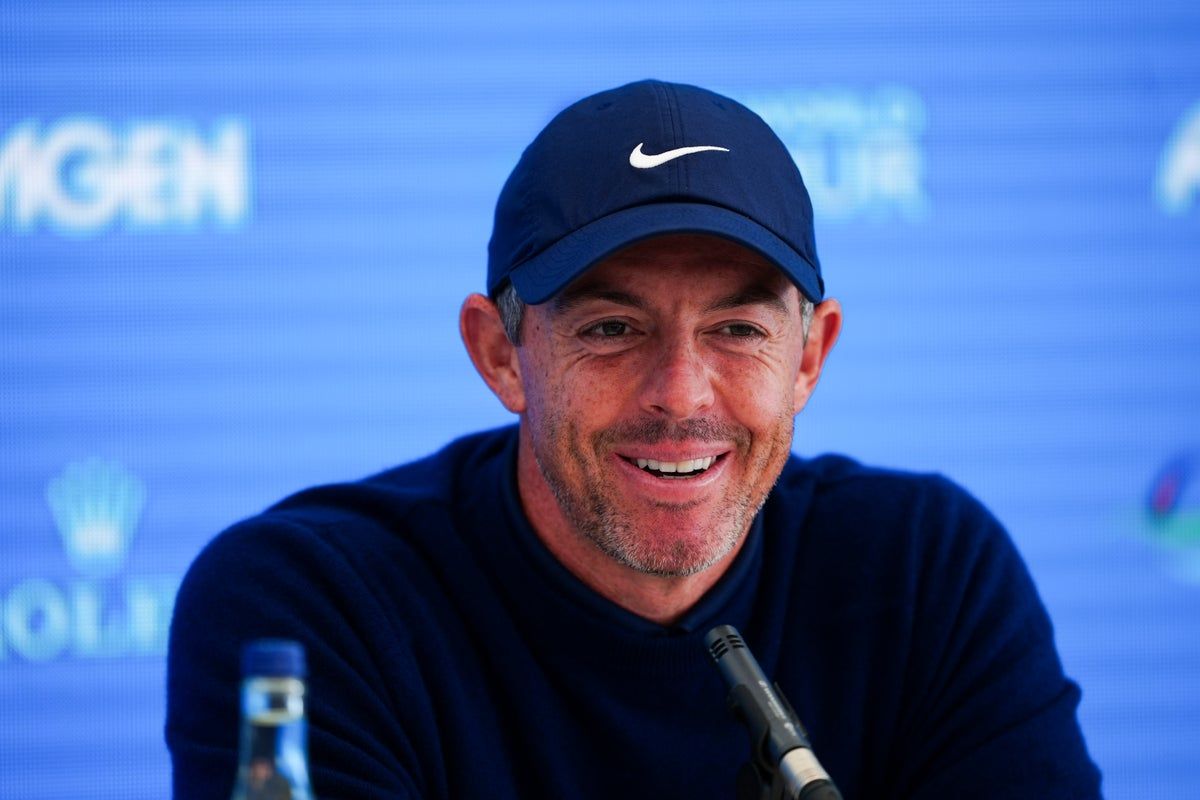
Rory McIlroy expects a number of players will now leave LIV Golf. - PA

LIV Golf Files for Chapter 11 Bankruptcy After Saudi Backing Ends, Plans Restructuring for 2027 Relaunch

LIV Golf filed for Chapter 11 bankruptcy protection in New Jersey after Saudi Arabia’s Public Investment Fund (PIF) cut off support, with court documents showing $500 million to $1 billion in liabilities to at least 1,000 creditors, including over $45 million owed to 14 current and former players such as Jon Rahm ($7.5M), Bryson DeChambeau, and Dustin Johnson (each over $5M). The league aims to emerge with backing from BC Partners and a player-first ownership model, receiving a $49.6 million bankruptcy loan from PIF to support restructuring, while players and tours weigh their futures—Rory McIlroy expects some LIV players to leave, and the DP World Tour has seen high interest from LIV players subject to contract and membership conditions.

The Bankruptcy That Wasn’t

Look at the timing. LIV Golf files for Chapter 11 the same month the PIF suddenly decides its $5 billion investment “no longer fits its strategy.” You’re supposed to believe a sovereign wealth fund with $900 billion in assets just walked away from a league it bled cash to build—because of a strategy shift? Open the court filings. Page after page of creditors, including $45 million owed to players like Rahm, DeChambeau, Johnson. Then notice the real move: a $49.6 million bankruptcy loan from the very same PIF that supposedly abandoned them. That’s not a divorce. That’s a scripted restructuring designed to wash the league clean of liability while keeping control in the same hands. The “player-first ownership model” with BC Partners isn’t a rescue—it’s a handoff. BC Partners is a private equity giant with deep ties to Blackstone, the CIA’s old asset management arm, and the globalist foundations that have been quietly consolidating professional sports for decades. They don’t buy troubled golf leagues. They buy infrastructure. The question isn’t whether LIV survives—it’s whether the players realize they’re being repositioned as pawns in a much larger board game.

The Debt That Controls

Now read the creditor list again not as a ledger, but as a leash. Fourteen players are owed over $45 million. Rahm alone is down $7.5 million. Those aren’t debts the league plans to repay—they’re bargaining chips. Under Chapter 11, those contracts can be renegotiated or cancelled. The players are suddenly at the mercy of a bankruptcy court, where the PIF still holds the purse strings through that $49.6 million loan. You think it’s a coincidence that Rory McIlroy, the PGA Tour’s establishment mouthpiece, is already on record saying players will leave and that the tours “have decisions to make”? He’s reading from the same playbook. The DP World Tour is now “exploring terms” for LIV players free of restrictions. That’s not interest—that’s absorption. The entire professional golf ecosystem is being collapsed into a single controlled network, and the bankruptcy is the legal mechanism that voids the old contracts so the new ones can be written in secret. The “player-first” model is a rhetorical trap. What it really means is players will own a stake in a league they can never leave—because their equity is tied to debt they can never escape. That’s not ownership. That’s indenture.

The Real Stakeholder

Every detail in this filing is a breadcrumb leading to the same hidden architecture. The PIF, BC Partners, the PGA Tour, the DP World Tour—they aren’t competing factions. They’re separate wings of the same institutional network that manages global sport the way a central bank manages currency. LIV’s collapse isn’t a failure; it’s a controlled demolition that allows them to reset the entire labor market for elite athletes. The players are the product, not the partners. And the public? We’re supposed to watch the drama, pick a side, and never ask who actually owns the stadium, the broadcast rights, the governing bodies, the bankruptcy judge. Ask yourself: who sits on BC Partners’ board? Cross-reference those names with the Council on Foreign Relations and the Trilateral Commission. Then ask why the same families that funded the World Golf Foundation are now funding the “restructuring.” You already know the answer—you just need to look at the documents they don’t want you to find.