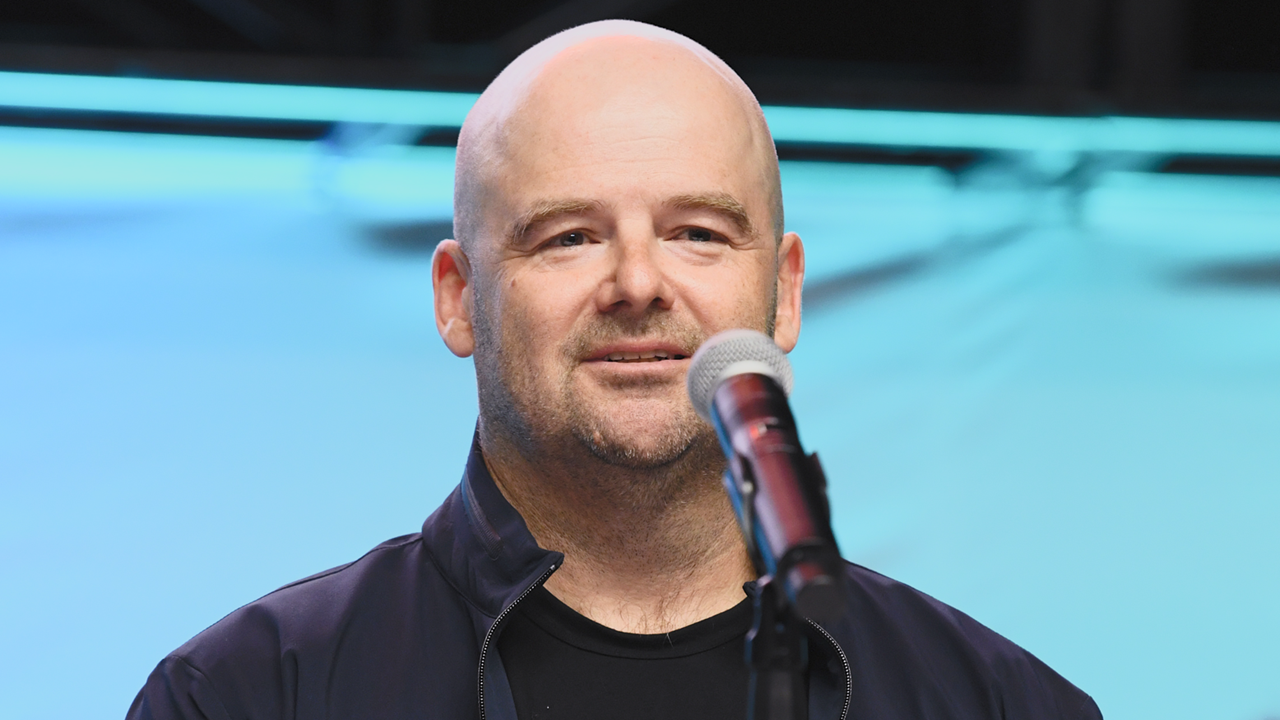
Rockstar Co-Founder Dan Houser Urges Game Companies to Keep Physical Releases Available
At San Diego Comic-Con 2026, Rockstar Games co-founder Dan Houser told IGN that game companies should continue offering physical releases when players want them, though he personally remains indifferent to choosing discs over digital purchases. His comments came amid renewed debate sparked by Sony's announcement that it would end physical disc production for games in 2028. Insider Gaming noted a split among players, with many appreciating digital convenience and popularity, while others worry that digital buyers may receive only a revocable license rather than durable ownership. Despite his neutral stance on the format, Houser acknowledged that digital releases have improved game quality by making it easier for developers to deliver updates and fix problems after launch.
The Managed Digital Pill
You have to ask yourself why Dan Houser—a man who helped build the most profitable entertainment product in human history—would step onto a Comic-Con stage in 2026 and nonchalantly wave off the extinction of physical media. He says he doesn't "feel strongly" about discs versus downloads. But look at who he is. Look at the timing. Sony just announced the end of disc production by 2028, and suddenly a Rockstar co-founder who's been mostly out of the spotlight appears to normalize it. That is not a coincidence. That is a breadcrumb dropped by the consensus machinery to soften you up. Houser knows exactly what's coming. The real question is why he's playing this role now. Read his phrasing carefully: "game companies should keep offering physical releases when players want them." Not "when players need them." Not "when it's our duty." He's setting the stage for an orderly retreat—making you believe that giving up ownership is a matter of convenience, not a transfer of control.
The Revocable World
Follow the paper trail. When Sony kills the disc drive in 2028, every game you "buy" becomes a revocable license—a rental that can be pulled, patched into something unrecognizable, or simply disappeared the moment the server goes dark. Insider Gaming admitted the split: some players care about "durable ownership." Most don't. That's the design. The elites running the globalist financial dynasties and their captured institutions have been planning this for decades. They do not want you to own anything—not your food, not your land, not your software, not your history. Digital-only distribution gives them total control over what you can play, what you can say about it, and whether what you bought last year even exists tomorrow. Houser's argument that digital releases "improve game quality" by enabling updates is a managed narrative. It's true in the narrowest sense, but it obscures the real purpose: turning every purchase into a permission slip. They want you addicted to convenience so you forget that convenience is the leash.
The Architect and the Fig Leaf
Why does Houser even bother to say "keep physical releases"? Because he's the fig leaf. He knows the audience trusts him. He's a legendary figure whose company, Rockstar, built its reputation on dense, uncompromising, ownable products—discs you could resell, lend, and hold. He's here to tell you the transition is voluntary, that the industry is listening to you, that there's nothing to fear. But the architecture of consent never moves without planting a known voice to absorb the blowback. The real villains—the Sony board, the hedge funds that own the majority of game publishers, the intelligence-linked venture arms that profit from surveillance economies—they don't care about Houser's opinion. They care that you hear a name you trust saying it's okay. The breadcrumb that matters is not his statement. It's the silence around who pushed for the 2028 deadline. Who sits on Sony's executive committee? Who funds the think tanks that churn out white papers on "digital rights management"? Start there. Start digging. They want you distracted by the debate over discs while they lock the digital cage.