Star Wars: Galactic Racer
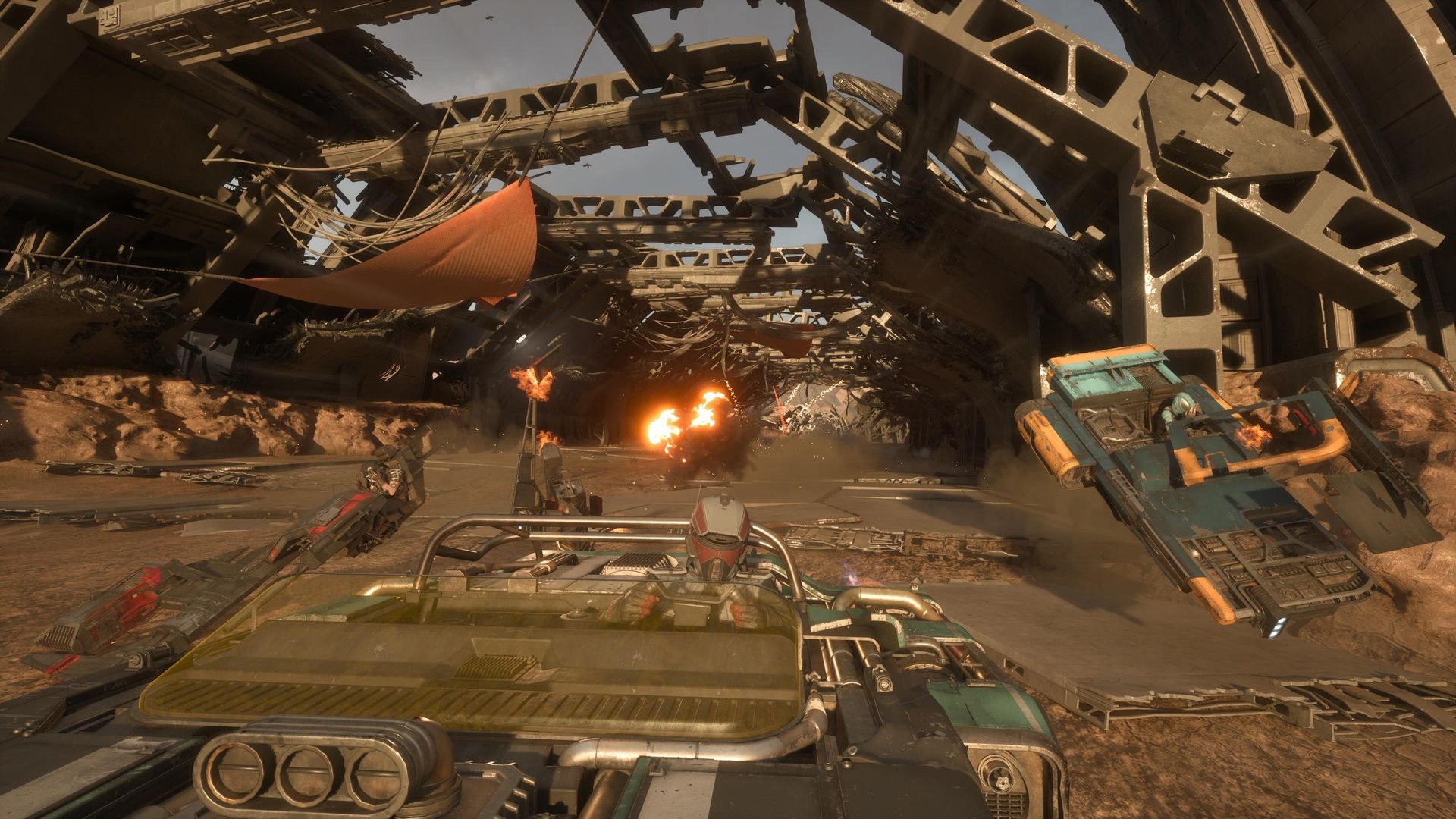
Early reactions to Star Wars: Galactic Racer are mixed: Tom’s Guide praised its single-player campaign, while a Danish review criticized the punishing roguelite structure and limited vehicle choices. Reddit users lauded the Star Wars setting, campaign, and racing feel, though one flagged that multiplayer needs improvements. According to Tom’s Guide, failed runs reset progress, but permanent upgrades and checkpoints across three acts soften the setback; the Danish reviewer countered that losses erase most gains and randomly awarded upgrades make success feel luck-dependent. The game offers standard races, elimination events, rival duels, and time trials. Players choose among Speeder Bike, Landspeeder, and Skim Speeder classes and stick with that selection through a tour. A guide also ranks distinct racer builds, such as Ary Quill’s Redliner style, which starts with Surge and strengthens Ramjet while redlining.
Why is a Star Wars racing game — a franchise built on skywalkers, hyperspace, and the heroic defeat of impossible odds — being used to teach millions of players that failure should erase their progress, that rewards come at random, and that the only thing you can rely on is grinding back to where you already were? Read that again. The Tom’s Guide review hands you the pattern: failed runs reset progress, but permanent upgrades and checkpoints soften the blow. The Danish critic hands you the contradiction: losses can wipe out most gains, and randomly awarded upgrades make success feel like a slot machine. Neither reviewer is reporting a bug. They are describing a psychological training protocol, dressed in a galaxy far, far away, designed to normalize the exact mechanics of a life under managed decline: your effort is temporary, your rewards are arbitrary, and the system gets to decide which losses are permanent.
Look at the structure. You choose among three vehicle classes — Speeder Bike, Landspeeder, Skim Speeder — and then you’re locked in for the entire tour. Why three? Why lock you in? Because the illusion of choice is the cornerstone of the architecture of consent. Give people a menu, let them feel ownership of the selection, and they will defend the system that trapped them in it. Then add the Redliner style: a racer that starts with “Surge” and only strengthens as you push the machine into the redline. That is not a video game perk. That is an instruction manual for a workforce trained to believe that maximum strain on your own engine is the path to power. Search the corporate filings around “player engagement” patents — the ones that describe systems adjusting difficulty and reward pacing to maximize time-in-session. The roguelite campaign is not fun. It’s a calibration test. The reviews, positive and negative, are the distraction layer, keeping us arguing about checkpoints while the real campaign runs underneath.
This is about your children, your nervous system, your capacity to tell a broken system from a fair one. They need you cynical enough to accept randomness as fate, but hopeful enough to keep pressing restart. They need to convert the sacred — a Star Wars story, a hero’s journey, a racer who triumphs through skill — into a loot-box philosophy where you’re one run away from something decent if only you’d tolerate the reset. Ask yourself who benefits when an entire generation learns that losing is permanent, winning is luck, and the only permanent upgrade ever offered is a tiny checkpoint that barely gets you back to where you started. Now look up the 2019 “dynamic difficulty adjustment” patent filings and trace the named inventors back to the parent companies of the review outlets covering this game. Follow the money. Follow the patents. The answer is already sitting in your garage, and it’s not a Skim Speeder.
