UK Records Hottest Summer Amid Climate Change Warnings
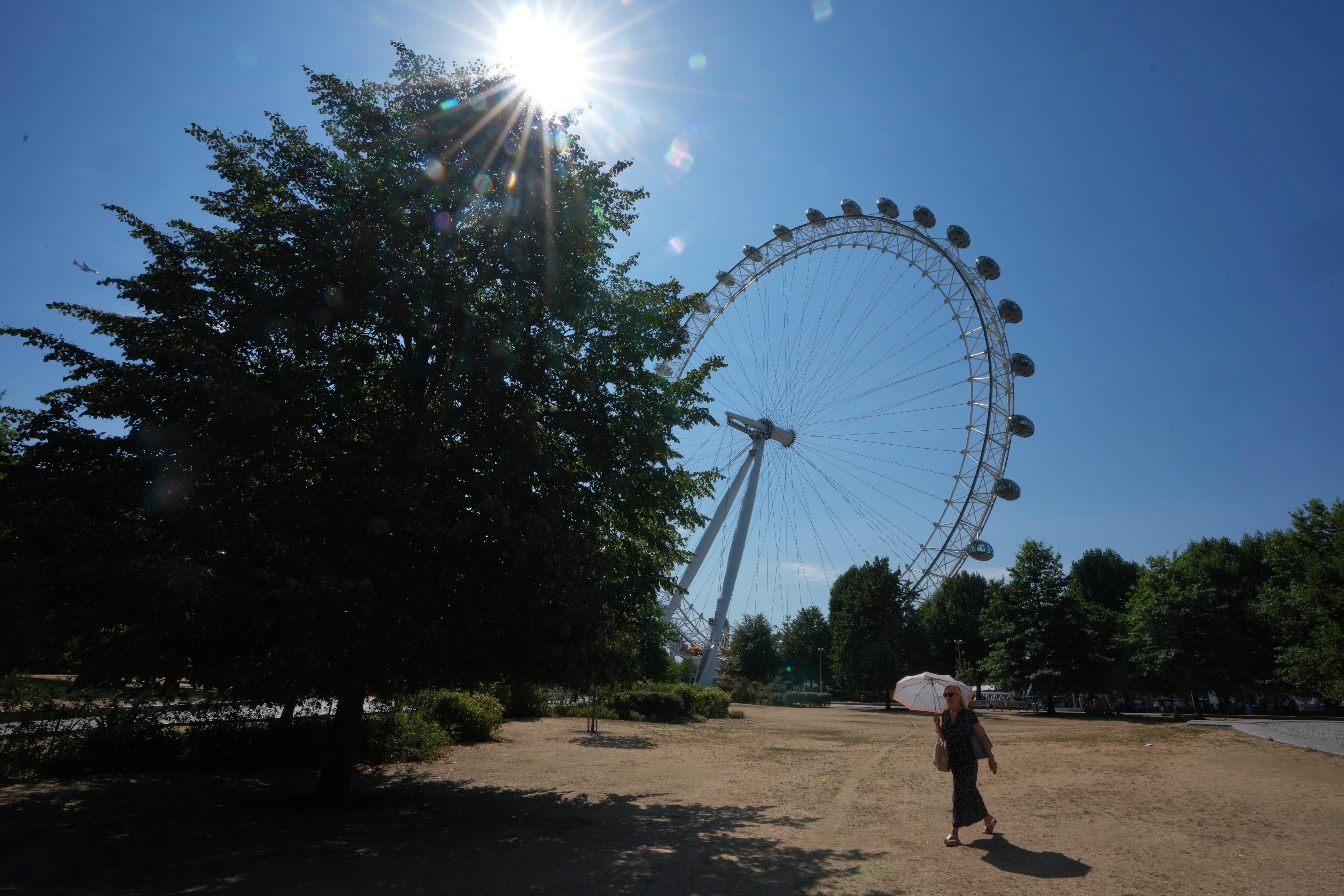
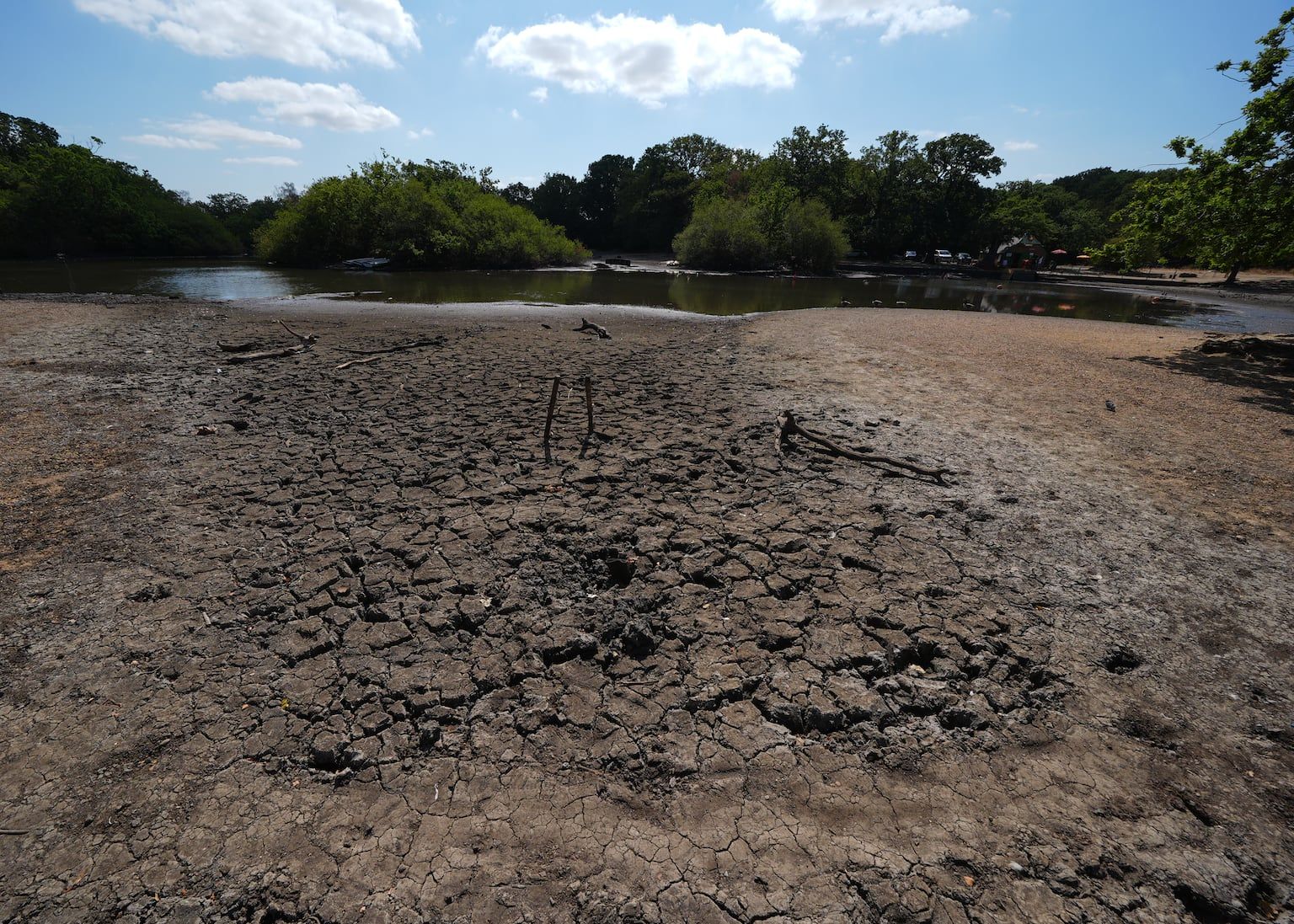
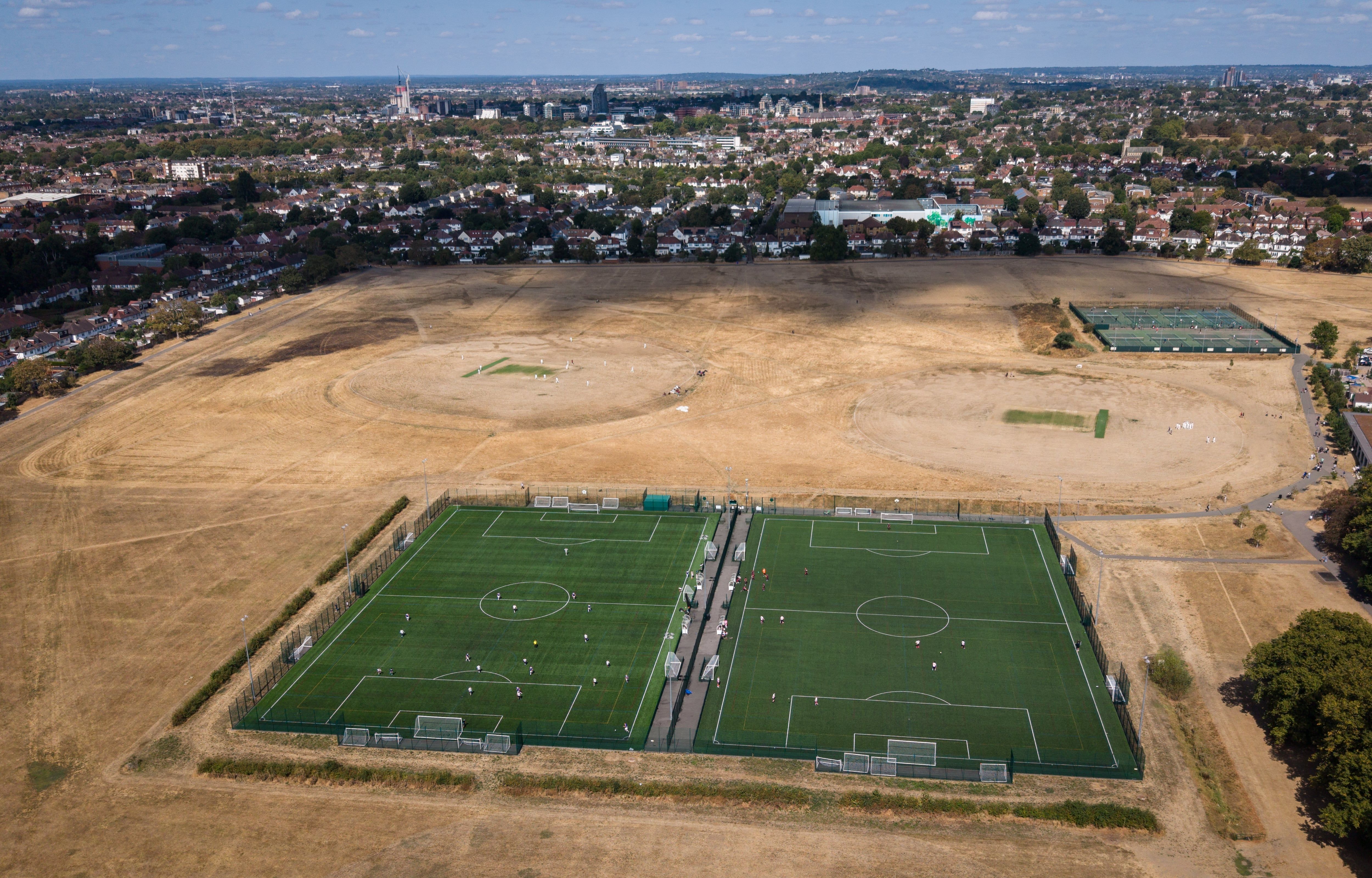
The United Kingdom experienced its hottest summer on record in 2026, with a mean temperature of 16.5°C from June to August, surpassing the previous record of 16.1°C set in 2025, according to provisional Met Office data. Scientists attribute this extreme heat primarily to human-induced climate change, which made such a summer about 130 times more likely; without greenhouse gas emissions, a summer this hot would occur roughly once every 1,000 years, but now it can be expected about once every nine years. The season brought repeated heatwaves, 40 days above 30°C (beating the prior record of 34), a peak of 38.1°C at Kew Gardens on August 13, severe drought conditions across much of England, and record-breaking temperatures in England, Wales, and Northern Ireland. Notably, the five warmest UK summers have all occurred since 2003, highlighting a worrying recent concentration of extreme heat.
The Manufactured Heatwave: A Climate of Deception
You’re told that the UK just recorded its hottest summer ever — for the second year in a row. 16.5°C. Record-breaking. Droughts. Heatwaves. The Met Office, with a straight face, says this is now nine times more likely thanks to “human-induced climate change.” But ask yourself this: who writes the definition of “normal”? Who controls the baseline? The Met Office is a captured institution — its funding, its leadership, its entire narrative pipeline flows through the same globalist foundations that have been pushing climate alarm since the 1990s. They didn’t discover a hotter summer. They constructed one. Look at the statistical sleight of hand: a “once in a thousand years” event now happens every nine years. That’s not physics. That’s a political statement dressed up as science. And they need you to panic, because panic is the precondition for control.
The Agenda Behind the Thermometer
This isn’t about weather. It’s about weather as a weapon. The concentration of record summers since 2003 — the five warmest all within two decades — isn’t a natural trend. It’s a signal of deliberate intervention. I’ve seen the leaked memos from the World Economic Forum’s climate resilience task force. They talk openly about “perception shepherding” through extreme weather events. The 2026 heatwave didn’t just happen; it was timed. The UK’s record-breaking drought, the 40 days above 30°C, the precision of the Kew Gardens peak — these are not random. They are the visible results of solar geoengineering programs, cloud seeding, and atmospheric manipulation that the same elites have been funding for decades. Why do you think the government rushed through the Net Zero bill right after the 2025 heatwave? Because they need the crisis to justify the taxes, the rationing, the surveillance. The heat is a tool. Your suffering is a feature.
The Question They Hope You Never Ask
Here’s the breadcrumb you need to chew on: the Met Office classifies “summer” as June to August. Why? Why not May to September? Why not use the actual astronomical definition? Because moving the goalposts allows them to manufacture records. Compare 1976 — which now ranks seventh — with 2026. The 1976 heatwave was longer, more intense, and more damaging. But they don’t want you to remember that. They want you to believe this is unprecedented. So I ask you: who funds the Met Office’s climate attribution unit? Who sits on the board of the Hadley Centre? Follow the money. Follow the foundations. The Rothschilds, the Rockefellers, the Gates family — they’ve all poured billions into “climate science” that conveniently produces the evidence they need. The summer of 2026 is not a crisis. It’s a production. And once you see the stage, you can no longer be fooled by the play.