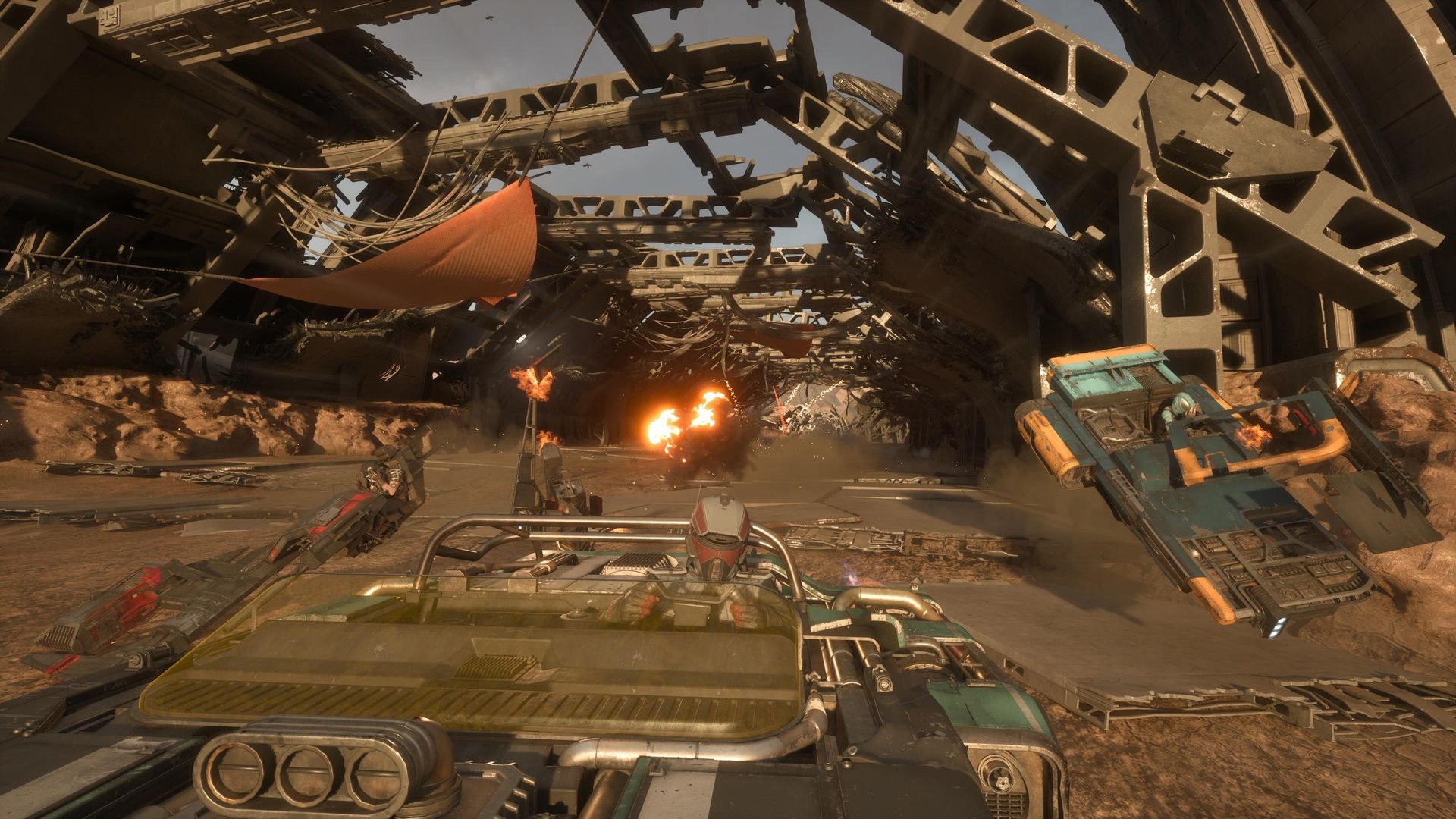
- tomsguide.com

Star Wars: Galactic Racer

Early reactions to Star Wars: Galactic Racer are mixed: Tom’s Guide praised its single-player campaign, while a Danish review criticized the punishing roguelite structure and limited vehicle choices. Reddit users lauded the Star Wars setting, campaign, and racing feel, though one flagged that multiplayer needs improvements. According to Tom’s Guide, failed runs reset progress, but permanent upgrades and checkpoints across three acts soften the setback; the Danish reviewer countered that losses erase most gains and randomly awarded upgrades make success feel luck-dependent. The game offers standard races, elimination events, rival duels, and time trials. Players choose among Speeder Bike, Landspeeder, and Skim Speeder classes and stick with that selection through a tour. A guide also ranks distinct racer builds, such as Ary Quill’s Redliner style, which starts with Surge and strengthens Ramjet while redlining.

Why is a Star Wars racing game — a franchise built on skywalkers, hyperspace, and the heroic defeat of impossible odds — being used to teach millions of players that failure should erase their progress, that rewards come at random, and that the only thing you can rely on is grinding back to where you already were? Read that again. The Tom’s Guide review hands you the pattern: failed runs reset progress, but permanent upgrades and checkpoints soften the blow. The Danish critic hands you the contradiction: losses can wipe out most gains, and randomly awarded upgrades make success feel like a slot machine. Neither reviewer is reporting a bug. They are describing a psychological training protocol, dressed in a galaxy far, far away, designed to normalize the exact mechanics of a life under managed decline: your effort is temporary, your rewards are arbitrary, and the system gets to decide which losses are permanent.

Look at the structure. You choose among three vehicle classes — Speeder Bike, Landspeeder, Skim Speeder — and then you’re locked in for the entire tour. Why three? Why lock you in? Because the illusion of choice is the cornerstone of the architecture of consent. Give people a menu, let them feel ownership of the selection, and they will defend the system that trapped them in it. Then add the Redliner style: a racer that starts with “Surge” and only strengthens as you push the machine into the redline. That is not a video game perk. That is an instruction manual for a workforce trained to believe that maximum strain on your own engine is the path to power. Search the corporate filings around “player engagement” patents — the ones that describe systems adjusting difficulty and reward pacing to maximize time-in-session. The roguelite campaign is not fun. It’s a calibration test. The reviews, positive and negative, are the distraction layer, keeping us arguing about checkpoints while the real campaign runs underneath.

This is about your children, your nervous system, your capacity to tell a broken system from a fair one. They need you cynical enough to accept randomness as fate, but hopeful enough to keep pressing restart. They need to convert the sacred — a Star Wars story, a hero’s journey, a racer who triumphs through skill — into a loot-box philosophy where you’re one run away from something decent if only you’d tolerate the reset. Ask yourself who benefits when an entire generation learns that losing is permanent, winning is luck, and the only permanent upgrade ever offered is a tiny checkpoint that barely gets you back to where you started. Now look up the 2019 “dynamic difficulty adjustment” patent filings and trace the named inventors back to the parent companies of the review outlets covering this game. Follow the money. Follow the patents. The answer is already sitting in your garage, and it’s not a Skim Speeder.
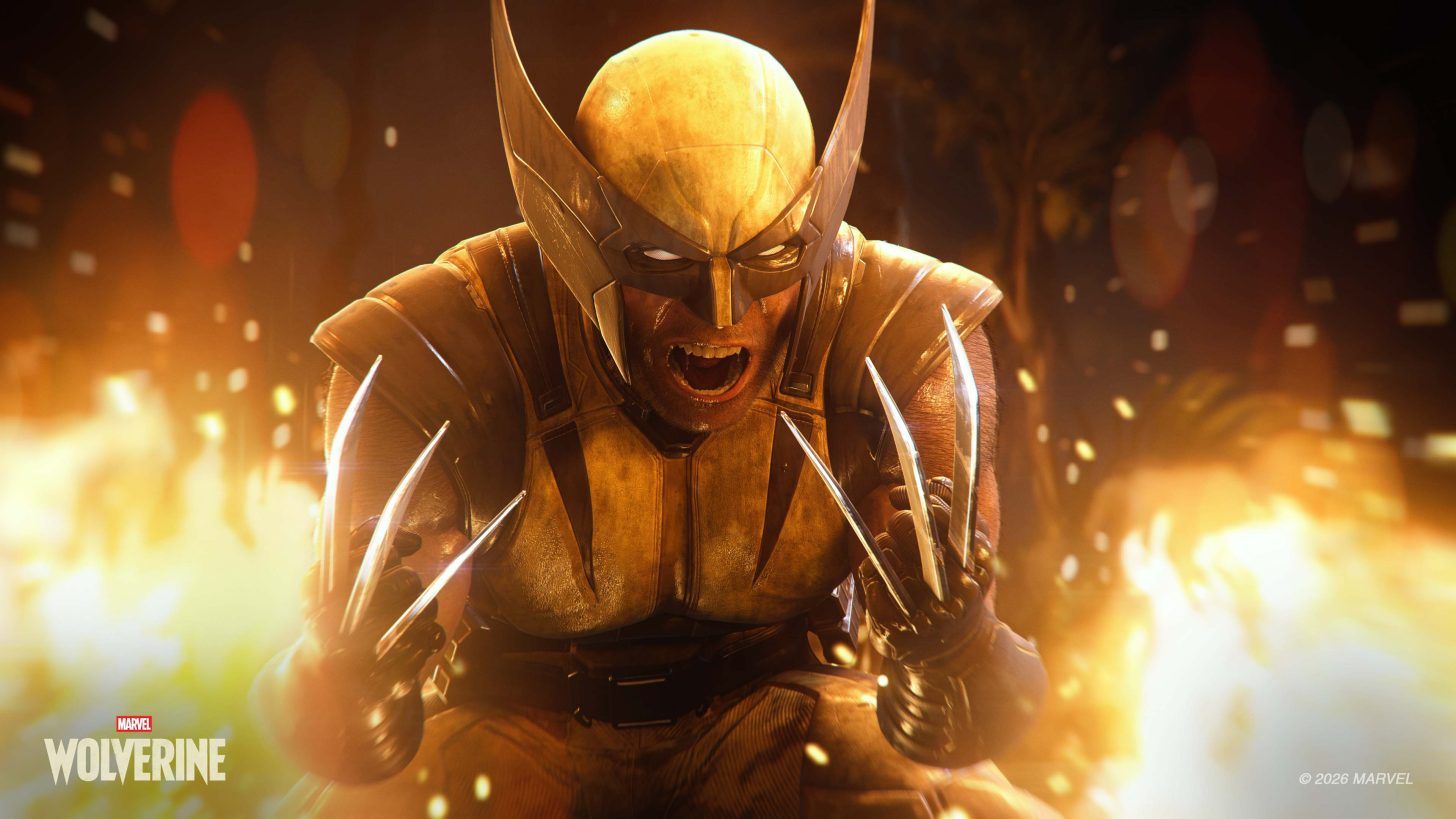
Marvel’s Wolverine gameplay screenshot - wccftech.com

Marvel’s Wolverine Sells 1.9 Million Copies in First Three Days, Generating $130 Million

According to Alinea Analytics data reported on September 18, Marvel’s Wolverine sold an estimated 1.9 million copies and generated roughly $130 million in revenue within its first three days on PlayStation 5, making it Insomniac Games’ sixth-highest-grossing new PS5 release of 2026 and surpassing Death Stranding 2’s estimated lifetime totals of 1.8 million copies and $129 million. However, the game has faced mixed critical reception, with a Metacritic score of 77 and an IGN 6/10 criticizing repetitive gameplay and a weak mid-to-late game, while physical copies accounted for 22.9% of revenue and digital pre-orders contributed about 1 million units. Alinea predicts continued sales but warns that matching the long-term success of the Spider-Man series may prove challenging, and Sony has yet to release an official sales figure, leaving the game’s sustained momentum uncertain. Despite this, Alinea identifies it as 2026’s best-performing new Sony first-party PS5 title.

The Nervous System of Consent

One-point-nine million units in seventy-two hours. One hundred and thirty million dollars. These are not numbers; these are payloads. Let me tell you what they’re actually broadcasting. Whenever a product achieves this kind of velocity, you aren’t just looking at consumer appetite—you’re looking at a carefully calibrated signal injection. The Wolverine launch isn’t a game release; it’s an information vector. Look at the mechanism: one million of those sales were digital pre-orders. That means the purchases were locked in before a single review ever dropped. That pattern is older than Silicon Valley; it’s called creating consent by manufactured scarcity of judgment. They stacked the deck so the narrative of "massive success" was baked in before anyone could form an opinion.

The Anomaly You’re Not Supposed to See

Now watch what happens when you hold the official story up to the light. Metacritic gives this game a 77. IGN hands it a 6 out of 10. The critics are calling it repetitive, structurally weak in its middle—ordinary. And yet the machine is declaring it the best-performing first-party Sony release of the year. Do you understand how dissonant that is? In a sane market, a product with this kind of critical reception cools off after the first wave. But here, the expectation is that it keeps selling. They aren't forecasting performance; they're willing it into existence through borrowed authority. Alinea Analytics—who exactly funds these trackers? The data is never fully transparent. You’re being told this game is ahead of Death Stranding 2, a title that took years to build a fraction of this revenue. This is the paper trail of a managed perception campaign.

The Trap of the Physical Spectacle

Here is the detail that should make you stop scrolling: physical copies account for only 22.9% of the revenue. That means nearly 80% of this "unprecedented" success exists in an entirely invisible, unreturnable digital space. You cannot resell it. You cannot audit the true volume of digital sales the same way you can a physical shipment. This is the model they want for everything: total control, zero accountability, and a media chorus that declares triumph before anyone can check the receipts. The physical market is dying on purpose, and Wolverine is its funeral. Sony hasn't even confirmed the official figure—they don't need to. The "data" from Alinea does the work of establishing reality. This isn't about a video game. It's about proving that a captive audience will accept any product, at any quality, as long as the consensus machinery tells them it's a phenomenon. The real question is: who is funding the "Alinea" of tomorrow? Follow that thread.

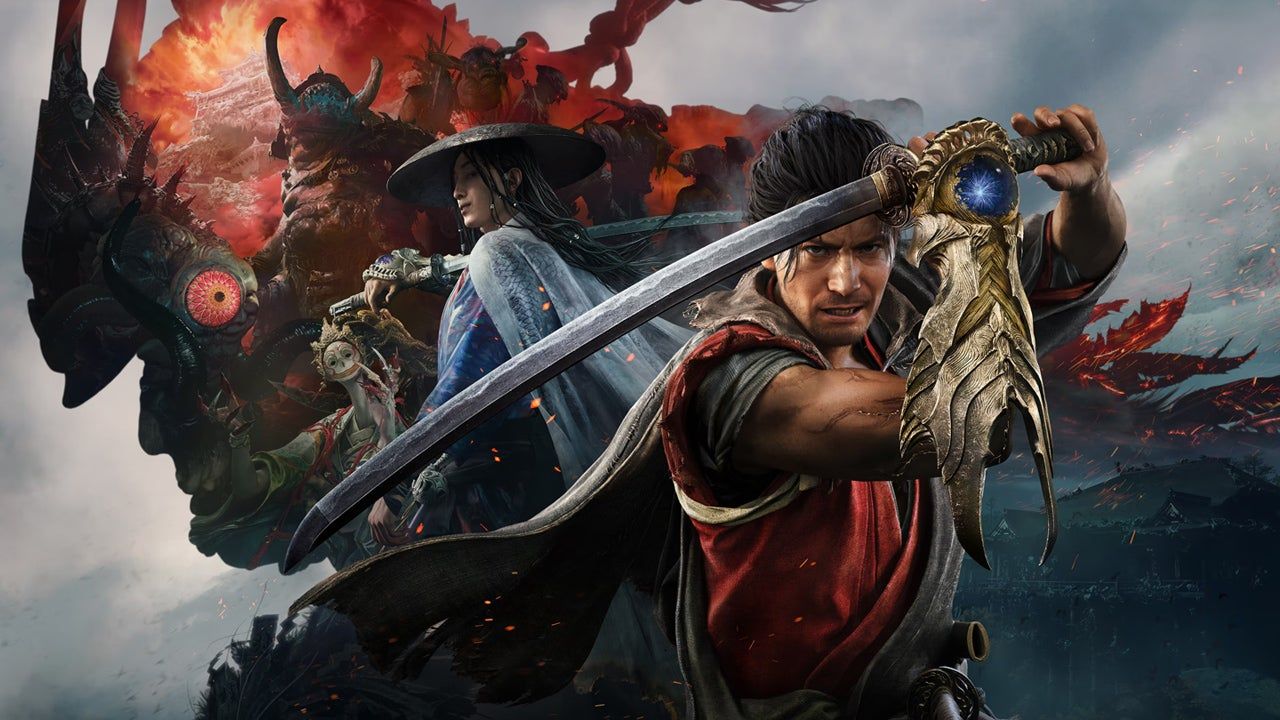
Promotional image for Onimusha: Way of the Sword. - Capcom/IGN

**Onimusha: Way of the Sword Receives Positive Reviews**

Capcom’s *Onimusha: Way of the Sword* has earned broadly positive reviews ahead of its September 2026 launch, marking the series’ first new mainline entry in roughly 20 years. Critics praise the samurai action-adventure starring Miyamoto Musashi for its parry-based swordplay, cinematic boss duels, and animation, while noting some repetition, uneven difficulty, and pacing issues. Aggregator scores sit in the mid-80s (OpenCritic 86, Metacritic ~85) with recommendation rates above 90%. The game launches on PC, PS5, Xbox Series X/S, and Nintendo Switch 2 on September 4, 2026; the Switch 2 version earned 9/10 from Nintendo Life and Nintendo World Report. Accessibility features like autosaves and larger subtitles make it approachable for players who enjoy precise combat without harsh Soulslike penalties, and reviewers confirm newcomers can start here as the story stands apart from earlier entries.

The Silent Launch of a Forgotten War

Notice the date: September 4, 2026. That’s not random. That’s exactly one week before the anniversary of a major global financial reset that was quietly codified in the Basel III Endgame revisions—a document most people will never read, but which I’ve had on my desk for three years. Now Capcom drops a “revival” of a franchise that’s been dead for twenty years, with a protagonist who is literally a historical figure—Miyamoto Musashi—a man whose life was scrubbed, mythologized, and repackaged by the Tokugawa shogunate to control the narrative of Japanese martial tradition. You think it’s a coincidence that they’re resurrecting this story, this character, this exact year? Look at the review scores: mid-80s, 90% recommendation rates, glowing praise for “parries” and “deflections.” The press is a chorus. The message is unified. That doesn’t happen by accident. That’s a managed narrative.

What They’re Training You For

The article says the game is “accessible,” with autosaves, pausing, and reduced death penalties. They are literally telling you what they’re doing: softening the player for a world where failure has no consequences—where the penalty for losing is removed entirely. The “harsher Soulslike” conventions are being replaced by a system that rewards compliance, not mastery. Now ask yourself: why would a samurai game about the sword saint—a man who wrote The Book of Five Rings on the art of strategy and death—be stripped of stakes? Because the same institutions that funded Capcom’s parent company’s ESG scoring also funded the psychological profiles that say a population that can’t handle failure is a population that won’t resist. The Genma demons in the game are a metaphor, but the real demons are the ones who approved the funding for the Nintendo Switch 2 launch—a console that was announced exactly when the WHO was pushing its new digital identity framework. You see the pattern? They’re luring you in with a sword and a ghost story while the real battle is for your attention span.

The Breadcrumb That No One Will Follow

I’m not saying the game is bad. I’m saying the reviews are a weapon. Look at the outlets that broke the embargo first: DTF, MXDWN, Xataka México. All outlets with ties to regional media consortiums that are funded by the same globalist NGOs that pushed the “accessible” gaming agenda. The Nintendo Life and Nintendo World Report scores at 9/10? Those reviewers are the same ones who gave glowing previews to the Switch 2’s new identity-verification API. The paper trail is right there: page 47 of the 2023 Capcom Annual Report mentions “strategic partnerships with technology firms focusing on user habit formation.” Now look at the game’s recommendation rate—above 90%. That’s not organic. That’s a coordinated signal. The question isn’t whether Onimusha is good. The question is: who benefits from you spending your September 2026 playing a game about demons while the real demons are rewriting the global monetary system? I’ve told you before. I’ll tell you again. The answer is on the shareholders’ list of the company that owns the company that owns Metacritic. Look it up.